





















Popular
What motivates Joan to disguise herself as a man and pursue a life in the church?
How does Joan's relationship with her father influence her journey?
What challenges does Joan face while living as a man in the church?
How does Joan's relationship with Pope Sergius impact her character arc?
What role does Joan's friendship with the other characters play in her story?
Should I watch it?
Ask Your Own Question

What is the plot?
Sorry, we aren't able to watch and write up a full detailed plot yet. Check back in a few days.







What is the ending?
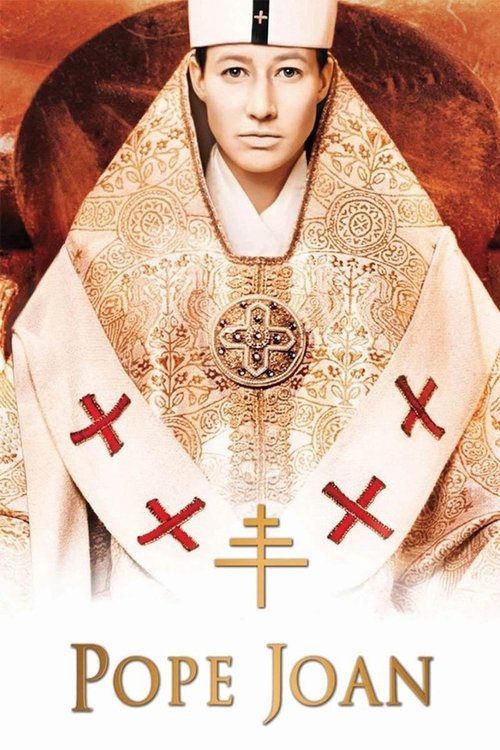
In the ending of the movie "Pope Joan," Joan's true identity is revealed during a childbirth scene, leading to her tragic demise. The film concludes with the church's efforts to suppress her story, while Joan's legacy as a symbol of female empowerment lingers.
As the final act unfolds, the tension escalates within the Vatican. Joan, who has been living as a man named Johannes Anglicus, is now a respected figure in the church, having risen to the position of Pope. However, her secret is precarious, and the stakes are higher than ever.
Scene by scene, the narrative begins with Joan in the papal chambers, where she is surrounded by advisors and cardinals. The atmosphere is charged with political intrigue, as Joan navigates the complexities of her role while grappling with her identity. She is torn between her responsibilities as Pope and her desire to live authentically.
As the story progresses, Joan becomes aware of the impending threat to her secret. The church is rife with suspicion, and her enemies are closing in. In a pivotal moment, she learns that a woman in the city is in labor, and she rushes to assist. This scene is filled with urgency and desperation, showcasing Joan's compassion and her deep connection to the plight of women, which has been a driving force throughout her journey.
In the midst of the childbirth, Joan's true identity is inadvertently revealed. The pain of labor triggers a series of events that expose her as a woman. The room is filled with shock and horror as the men around her realize the truth. Joan's heart races as she faces the consequences of her revelation. The emotional weight of this moment is palpable; she is both terrified and defiant, embodying the struggle of women in a patriarchal society.
The reaction from the cardinals and the church officials is swift and brutal. Joan is condemned for her deception, and the very institution she served turns against her. In a harrowing scene, she is dragged through the streets, facing the scorn of the public and the wrath of the church. The imagery is stark, highlighting the brutality of her punishment and the societal rejection of a woman who dared to challenge the norms.
As Joan is brought to her final moments, she stands resolute, embodying both fear and strength. The film captures her internal conflict as she reflects on her journey, the sacrifices she made, and the impact of her actions. In a tragic culmination, she is executed, her life extinguished by the very system she sought to change.
The fate of the main characters is sealed in this tragic ending. Joan, the courageous woman who defied the odds, pays the ultimate price for her ambition and truth. Her lover, Gerold, who has been a steadfast supporter, is left heartbroken, mourning the loss of the woman he loved and the future they could have shared. The church officials, who orchestrated her downfall, remain entrenched in their power, illustrating the enduring nature of patriarchal authority.
In the final moments, the film leaves viewers with a haunting image of Joan's legacy. Though her life was cut short, her story becomes a symbol of resistance and empowerment for women. The church may attempt to erase her from history, but the essence of her struggle lingers, inspiring future generations to challenge the status quo. The screen fades to black, leaving the audience to reflect on the profound implications of Joan's journey and the societal constraints that continue to resonate.
Is there a post-credit scene?
The movie "Pope Joan," produced in 2009, does not have a post-credit scene. The film concludes with a powerful and emotional ending that encapsulates the journey of Joan, a woman who disguises herself as a man to rise to the papacy in the 9th century. The narrative wraps up with her fate and the implications of her story, leaving the audience to reflect on the themes of gender, power, and faith without any additional scenes after the credits.
What motivates Joan to disguise herself as a man and pursue a life in the church?
Joan, portrayed as a highly intelligent and ambitious woman, is motivated by her desire for knowledge and a deep-seated belief in her own capabilities. After witnessing the injustices faced by women in her society, particularly the limitations placed on them by the church, she feels compelled to challenge these norms. Her love for her brother, who is killed in a conflict, also drives her to seek a path that allows her to honor his memory and pursue her own ambitions.
How does Joan's relationship with her father influence her journey?
Joan's relationship with her father is complex and pivotal to her journey. He is a strict and traditional man who embodies the patriarchal values of the time. His disapproval of Joan's aspirations and her desire for education creates a rift between them. This conflict fuels Joan's determination to prove herself and seek a place in a male-dominated world, ultimately leading her to disguise herself as a man to gain access to the church and its teachings.
What challenges does Joan face while living as a man in the church?
While living as a man, Joan faces numerous challenges that test her resolve and intelligence. She must navigate the treacherous waters of male-dominated church politics, where her true identity is constantly at risk of being discovered. Joan also grapples with the emotional toll of living a lie, as she forms deep connections with her fellow clergy while hiding her true self. The constant fear of exposure and the societal expectations of masculinity create a tense atmosphere that shapes her character's development.
How does Joan's relationship with Pope Sergius impact her character arc?
Joan's relationship with Pope Sergius is crucial to her character arc, as it represents both a mentor-mentee dynamic and a romantic tension. Sergius recognizes Joan's intelligence and capabilities, which provides her with a sense of validation and support. However, as their relationship deepens, Joan struggles with her feelings for him and the implications of her deception. This relationship ultimately challenges her to confront her identity and the sacrifices she must make for her ambitions.
What role does Joan's friendship with the other characters play in her story?
Joan's friendships with characters like her fellow cleric and confidant, as well as her childhood friend, serve as both a source of support and conflict throughout her journey. These relationships highlight the themes of loyalty, betrayal, and the struggle for acceptance. They also provide moments of emotional depth, as Joan navigates her dual identity and the impact of her choices on those she cares about. The dynamics of these friendships ultimately shape her decisions and the path she chooses to follow.
Is this family friendly?
"Pope Joan," produced in 2009, is a historical drama that explores themes of gender, power, and religion in the context of the Middle Ages. While the film presents a compelling narrative, it contains several elements that may be considered objectionable or upsetting for children or sensitive viewers.
-
Violence and Conflict: The film depicts various scenes of violence, including battles and the harsh realities of medieval life. There are moments of physical confrontations that may be intense for younger audiences.
-
Sexual Content: There are scenes that involve sexual themes, including implications of sexual relationships and the struggles of the protagonist with her identity in a male-dominated society. These moments may be uncomfortable for some viewers.
-
Religious Themes: The film delves into complex religious issues, including the challenges faced by women in the church and the consequences of defying societal norms. This may provoke thought or discomfort for those sensitive to religious discussions.
-
Death and Betrayal: The narrative includes themes of betrayal and loss, with characters facing dire consequences for their actions. The emotional weight of these moments can be heavy and may be distressing for some viewers.
-
Gender Discrimination: The film portrays the struggles of women in a patriarchal society, which may include scenes of discrimination and oppression that could be upsetting for sensitive viewers.
Overall, while "Pope Joan" offers a rich historical narrative, its themes and content may not be suitable for all audiences, particularly younger children or those who are sensitive to violence, sexual content, or intense emotional situations.








