




































Loading additional questions...
Popular
What is the significance of the character Jack Cole's past in the story?
How does the relationship between Jack Cole and his partner, Detective Jim Campbell, evolve throughout the film?
What role does the character of the serial killer play in the plot?
How does Jack Cole's personal life impact his work as a detective?
What is the significance of the film's title, 'The Glimmer Man'?
Should I watch it?
Ask Your Own Question

What is the plot?





What is the ending?
In the ending of "The Glimmer Man," Jack Cole confronts the main antagonist, who is revealed to be a powerful figure involved in a series of murders. After a tense showdown, Cole manages to defeat him, but not without personal cost. The film concludes with Cole reflecting on the events and the toll they have taken on him, while he and his partner, Jim, share a moment of camaraderie.
Now, let's delve into the ending in a more detailed narrative fashion.
As the climax of the film unfolds, Jack Cole, portrayed by Steven Seagal, finds himself in a high-stakes confrontation with the film's antagonist, a shadowy figure orchestrating a series of brutal murders. The setting is a dimly lit warehouse, filled with the remnants of a violent struggle. The air is thick with tension as Cole, armed and determined, navigates through the debris, his senses heightened, aware that danger lurks around every corner.
In a pivotal moment, Cole encounters the antagonist, who is revealed to be a powerful crime lord with connections that run deep within the city. The confrontation is intense, filled with a mix of martial arts and gunplay, showcasing Cole's skills as he fights not just for his life but for justice. The choreography of the fight is dynamic, with each movement reflecting Cole's internal struggle--his desire to protect the innocent and his burden of loss from the case.
As the battle escalates, the antagonist taunts Cole, revealing his motivations and the extent of his criminal empire. Cole's face hardens with resolve, his emotions a blend of anger and determination. He recalls the victims of the murders, their faces flashing in his mind, fueling his drive to end the cycle of violence. The fight culminates in a dramatic showdown where Cole, using his resourcefulness and combat skills, ultimately overpowers the antagonist. With a final, decisive move, he brings the criminal to justice, but not without sustaining injuries himself.
In the aftermath of the confrontation, the scene shifts to a quieter moment. Cole, battered but victorious, stands amidst the wreckage, the weight of his actions settling heavily on his shoulders. He reflects on the cost of his pursuit of justice, the lives affected by the crimes, and the personal sacrifices he has made along the way. The emotional toll is evident on his face, a mixture of relief and sorrow.
Meanwhile, Jim, Cole's partner, arrives at the scene, his expression a mix of concern and admiration. The bond between the two men is palpable as they share a moment of camaraderie, acknowledging the dangers they faced together. Jim's presence serves as a reminder of the importance of friendship and support in the face of adversity. They exchange a few words, a silent understanding passing between them, reinforcing their commitment to continue fighting for justice despite the challenges ahead.
As the film draws to a close, the camera pans out, capturing the aftermath of the battle. The city skyline looms in the background, a symbol of the ongoing struggle between good and evil. Cole's fate is left open-ended, suggesting that while he has triumphed in this battle, the war against crime and corruption is far from over. The final shot lingers on Cole's contemplative expression, hinting at the emotional scars he carries and the resolve to keep fighting for what is right.
In summary, the fates of the main characters are as follows: Jack Cole emerges victorious but deeply affected by the events, carrying the weight of his experiences. Jim, his loyal partner, stands by him, reinforcing their bond as they prepare for whatever challenges lie ahead. The film concludes with a sense of unresolved tension, emphasizing the ongoing nature of their fight against crime.
Is there a post-credit scene?
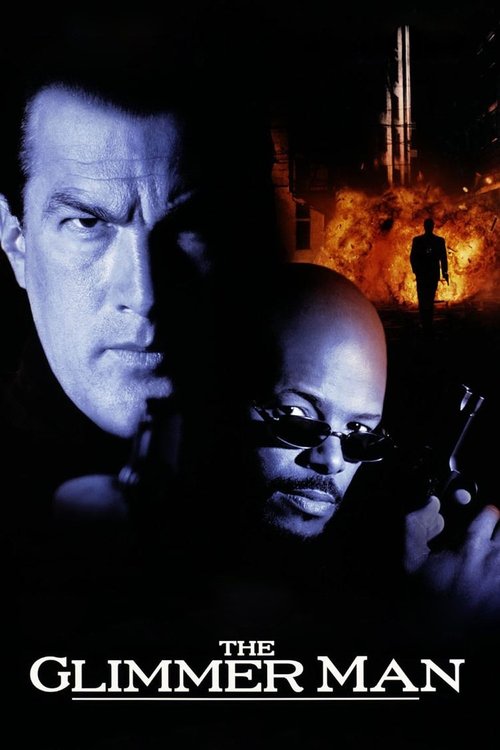
The movie "The Glimmer Man," released in 1996, does not have a post-credit scene. The film concludes with the resolution of the main plot, focusing on the characters of Jack Cole, played by Steven Seagal, and his partner, Jim Campbell, portrayed by Keenen Ivory Wayans. After a series of intense confrontations and the unraveling of a complex murder case involving a serial killer, the film wraps up without any additional scenes or hints at future developments during or after the credits. The ending emphasizes the bond formed between the two main characters and their triumph over the challenges they faced throughout the story.
What is the significance of the character Jack Cole's past in the story?
Jack Cole, played by Steven Seagal, is a former special forces operative with a troubled past that haunts him throughout the film. His experiences in the military shape his worldview and approach to law enforcement, often leading him to confront his own demons while solving the case. This backstory adds depth to his character, revealing his internal struggles with violence and morality.
How does the relationship between Jack Cole and his partner, Detective Jim Campbell, evolve throughout the film?
Initially, Jack Cole and Jim Campbell, portrayed by Keenen Ivory Wayans, have a rocky relationship marked by tension and distrust. As the investigation progresses, they learn to rely on each other's strengths, with Campbell's humor balancing Cole's stoicism. Their partnership evolves from skepticism to camaraderie, culminating in a mutual respect that enhances their effectiveness in solving the case.
What role does the character of the serial killer play in the plot?
The serial killer, known as 'The Glimmer Man,' serves as the central antagonist of the film. His methodical and brutal killings create a sense of urgency and danger, driving the narrative forward. The killer's psychological games and cryptic messages challenge Cole and Campbell, forcing them to confront not only the external threat but also their own fears and vulnerabilities.
How does Jack Cole's personal life impact his work as a detective?
Jack Cole's personal life is marked by isolation and a sense of loss, particularly due to the death of his wife. This tragedy influences his emotional state and decision-making throughout the film, often leading him to take risks that put him in danger. His struggle to balance his grief with his duty as a detective adds a layer of complexity to his character, making his journey more poignant.
What is the significance of the film's title, 'The Glimmer Man'?
The title 'The Glimmer Man' refers to the elusive nature of the serial killer, who is able to evade capture and remains a step ahead of the detectives. It symbolizes the idea of something that glimmers or shines, representing both the killer's cunning and the fleeting moments of clarity that Cole experiences as he unravels the mystery. The title encapsulates the film's themes of pursuit and the struggle to confront hidden truths.
Is this family friendly?
"The Glimmer Man," released in 1996, is an action thriller that features several elements that may not be suitable for children or sensitive viewers. Here are some potentially objectionable aspects:
-
Violence: The film contains numerous scenes of intense violence, including gunfights, hand-to-hand combat, and the aftermath of violent encounters. These scenes are graphic and may be distressing.
-
Language: There is frequent use of strong language throughout the film, including profanity that may not be appropriate for younger audiences.
-
Mature Themes: The plot involves themes of crime, murder, and the investigation of a serial killer, which may be unsettling for children or sensitive viewers.
-
Gore: Some scenes depict blood and injuries, which can be graphic and disturbing.
-
Dark Humor: The film includes moments of dark humor that may not resonate well with all viewers, particularly younger ones.
Overall, due to its violent content, strong language, and mature themes, "The Glimmer Man" is not considered family-friendly and may be upsetting for children or sensitive individuals.








