




























































































Popular
What happens to Ron Burgundy's career after the events of the first Anchorman?
How does Ron Burgundy's relationship with Veronica Corningstone evolve in Anchorman 2?
What is the significance of the 24-hour news channel in the plot?
Who are the new characters introduced in Anchorman 2, and how do they impact the story?
What role does the rivalry with the other news team play in the film?
Should I watch it?
Ask Your Own Question

What is the plot?
Sorry, we aren't able to watch and write up a full detailed plot yet. Check back in a few days.







What is the ending?
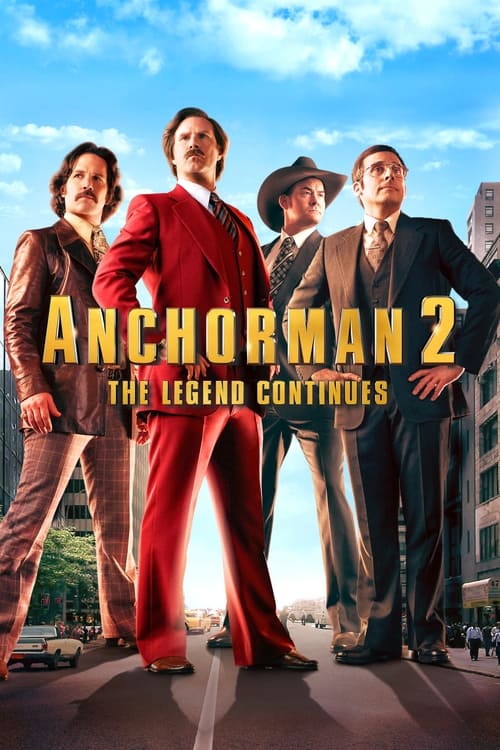
At the end of "Anchorman 2: The Legend Continues," Ron Burgundy and his team face off against their rivals in a chaotic news battle. After a series of comedic and dramatic confrontations, Ron ultimately reconciles with his estranged wife, Veronica Corningstone. The film concludes with Ron and Veronica working together as co-anchors, while the rest of the news team finds their own paths, leading to a sense of unity and acceptance.
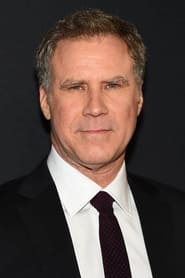
As the climax of "Anchorman 2: The Legend Continues" unfolds, the scene shifts to the bustling newsroom of GNN, where Ron Burgundy, played by Will Ferrell, is preparing for the first 24-hour news channel broadcast. The atmosphere is charged with tension as Ron, along with his loyal team--Champ Kind, Brian Fantana, and Brick Tamland--faces the challenge of adapting to the new era of news reporting.
In a pivotal moment, Ron's estranged wife, Veronica Corningstone, portrayed by Christina Applegate, is introduced as the co-anchor for the broadcast. Their relationship has been strained, filled with misunderstandings and past grievances. As the broadcast begins, the stakes are high, and the pressure mounts. Ron's insecurities surface, leading to a series of comedic blunders that threaten the integrity of the news segment.
The scene transitions to a dramatic confrontation with their rival news team, led by the arrogant and ruthless Jack Lime, played by James Marsden. The rivalry escalates into a full-blown news battle, reminiscent of a gladiatorial arena, where various news teams clash in a chaotic and absurd showdown. The camera captures the absurdity of the situation, with news anchors wielding bizarre weapons and engaging in over-the-top antics.
Amidst the chaos, Ron experiences a moment of clarity. He realizes that his obsession with being the best has clouded his judgment and strained his relationship with Veronica. In a heartfelt moment, he apologizes to her, acknowledging his mistakes and expressing his desire to work together as equals. This emotional reconciliation is underscored by a montage of their shared history, highlighting the love and respect they have for one another.
As the news battle reaches its climax, Ron and Veronica unite their strengths, showcasing their chemistry and professionalism. They deliver a powerful news segment that captivates the audience, demonstrating the importance of collaboration and mutual respect in their relationship. The scene is filled with a sense of triumph as they emerge victorious, not just in the news battle but in their personal lives as well.
In the aftermath, the film shifts to a more reflective tone. Ron and Veronica are seen co-anchoring the news together, symbolizing their newfound partnership. The rest of the news team also finds their paths: Champ Kind continues to embrace his flamboyant persona, Brian Fantana remains the charming ladies' man, and Brick Tamland, with his quirky innocence, finds happiness in unexpected ways.
The final scenes encapsulate the film's themes of redemption, teamwork, and the evolution of relationships. Ron Burgundy, once a self-absorbed anchor, has grown into a more self-aware and compassionate individual, ready to face the future alongside Veronica. The film concludes with a sense of closure, leaving the audience with a humorous yet heartfelt reminder of the importance of love, friendship, and the ever-changing landscape of news reporting.
Is there a post-credit scene?
Yes, "Anchorman 2: The Legend Continues" features a post-credit scene.
As the credits roll, the scene opens with Ron Burgundy, played by Will Ferrell, sitting in a dimly lit bar. He is surrounded by a group of familiar faces from the news world, including his former colleagues. The atmosphere is relaxed, and Ron is in his element, confidently recounting stories of his past exploits.
Suddenly, the scene shifts to a montage of various news anchors from different networks, including cameos from real-life anchors like Brian Williams, Wolf Blitzer, and others. They are all gathered in a conference room, discussing the impact of Ron's legendary status on the news industry.
The humor escalates as Ron's over-the-top bravado and self-importance are juxtaposed with the serious demeanor of the actual news anchors, highlighting the absurdity of his character. The scene culminates in Ron declaring that he will return to the news scene, setting the stage for more outrageous antics.
This post-credit moment serves as a humorous nod to the legacy of Ron Burgundy and the enduring appeal of the character, leaving the audience with a sense of anticipation and laughter.
What happens to Ron Burgundy's career after the events of the first Anchorman?
After the events of the first Anchorman, Ron Burgundy's career takes a downturn. He is fired from his job at the local news station in San Diego and struggles to find work in the news industry. This leads him to a period of personal and professional turmoil, where he feels lost and disconnected from his former glory.
How does Ron Burgundy's relationship with Veronica Corningstone evolve in Anchorman 2?
In Anchorman 2, Ron and Veronica's relationship is tested as they navigate their careers in the competitive world of news broadcasting. Initially, they are a successful couple, but as Ron's insecurities and the pressures of the new 24-hour news format take a toll, their relationship becomes strained. Veronica's ambition and success lead to conflicts, ultimately resulting in their separation.
What is the significance of the 24-hour news channel in the plot?
The introduction of the 24-hour news channel serves as a critical turning point in the plot of Anchorman 2. It represents the changing landscape of journalism and the sensationalism that comes with it. Ron Burgundy, along with his news team, must adapt to this new format, which leads to comedic chaos and challenges as they try to maintain their integrity while competing for ratings.
Who are the new characters introduced in Anchorman 2, and how do they impact the story?
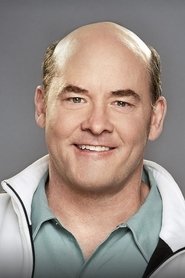
Anchorman 2 introduces several new characters, including Linda Jackson, played by Meagan Good, who becomes Ron's new boss and love interest. Her character challenges Ron's outdated views and pushes him to evolve. Additionally, the character of Champ Kind, played by David Koechner, faces his own struggles with personal growth, while Brian Fantana and Brick Tamland also navigate their roles in the changing news environment, adding layers of humor and conflict to the story.
What role does the rivalry with the other news team play in the film?
The rivalry with the other news team, led by Jack Lime, played by James Marsden, serves as a central conflict in Anchorman 2. This competition escalates as both teams vie for ratings and dominance in the new 24-hour news landscape. The rivalry culminates in a series of outrageous confrontations, highlighting the absurdity of the news industry and providing comedic moments that reflect the characters' egos and insecurities.
Is this family friendly?
"Anchorman 2: The Legend Continues" contains several elements that may not be considered family-friendly. Here are some potentially objectionable or upsetting aspects:
-
Language: The film features frequent use of profanity, including strong language that may not be suitable for children.
-
Sexual Content: There are scenes that include sexual innuendos, suggestive jokes, and references that may be inappropriate for younger audiences.
-
Violence: Some scenes depict slapstick violence and physical comedy, which, while exaggerated and comedic, may still be unsettling for sensitive viewers.
-
Substance Use: Characters are shown drinking alcohol, and there are references to drug use, which could be concerning for younger viewers.
-
Themes of Competition and Aggression: The film portrays intense rivalry and aggressive behavior among news anchors, which may not be ideal for impressionable audiences.
-
Emotional Turmoil: Characters experience significant personal and professional challenges, leading to moments of distress that could be upsetting for some viewers.
These elements contribute to a comedic tone that may not align with family-friendly viewing, particularly for younger children or sensitive individuals.








