








Popular
What challenges does the Ugly Duckling face in the story?
How does the character of the Rat influence the Ugly Duckling's journey?
What is the significance of the transformation of the Ugly Duckling?
How do the other animals react to the Ugly Duckling throughout the film?
What role does the setting play in the Ugly Duckling's experiences?
Should I watch it?
Ask Your Own Question

What is the plot?
Sorry, we aren't able to watch and write up a full detailed plot yet. Check back in a few days.


What is the ending?
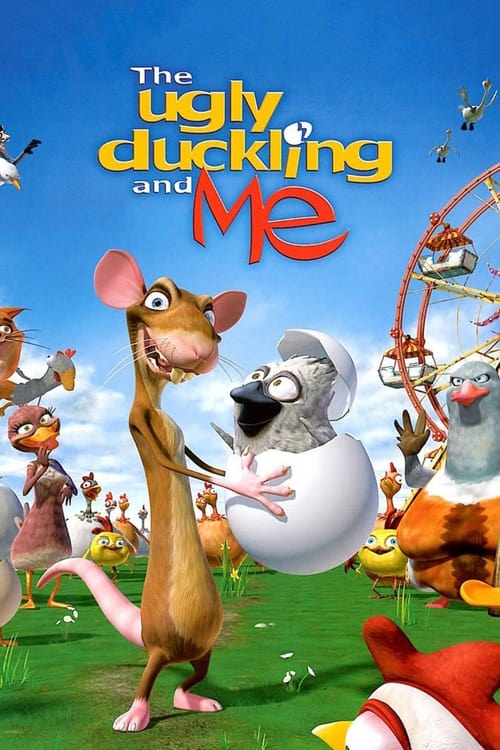
In the ending of "The Ugly Duckling and Me!", the main character, a rat named Ratso, learns to accept the ugly duckling, who is actually a swan, and they find a way to be happy together. The duckling transforms into a beautiful swan, and Ratso realizes the importance of friendship and acceptance.
As the story unfolds towards its conclusion, we find ourselves in a vibrant, sunlit setting by the pond where the ugly duckling has been living. The atmosphere is filled with a sense of anticipation and change. Ratso, who has been a somewhat selfish character throughout the film, is now faced with the consequences of his earlier actions. He has grown fond of the duckling, despite its initial appearance, and this bond has begun to shift his perspective on beauty and acceptance.
Scene by scene, the climax begins with Ratso witnessing the duckling's transformation. The once awkward and misunderstood creature begins to shed its old self, and as the sunlight glimmers off the water, the duckling emerges as a stunning swan. This moment is filled with awe and wonder, as the other animals gather around, their expressions shifting from skepticism to admiration. Ratso stands at the edge of the pond, his heart racing with a mix of pride and fear. He worries about being left behind, feeling unworthy of the swan's friendship.
As the swan takes its first graceful flight, Ratso's internal conflict comes to a head. He grapples with feelings of inadequacy, fearing that he will lose the duckling to its newfound beauty and grace. However, the swan, now fully aware of its identity, looks back at Ratso with warmth and affection. This moment is pivotal; it signifies the bond they have formed, transcending appearances and societal expectations.
In the final scenes, Ratso, filled with a newfound sense of purpose, decides to embrace his role as the swan's friend. He realizes that true beauty lies in the heart and that their friendship is what truly matters. The swan, soaring high above, calls out to Ratso, inviting him to join in the celebration of their unique bond. Ratso, with a smile on his face, runs along the shore, feeling a sense of joy and acceptance.
The film concludes with a heartwarming scene where Ratso and the swan are together, surrounded by their friends. The other animals, who once judged the duckling, now celebrate its transformation and the friendship that has blossomed between the unlikely pair. Ratso has learned to appreciate the beauty in differences, and the swan has found a loyal friend in Ratso, who has accepted him for who he truly is.
In summary, Ratso learns the value of friendship and acceptance, while the swan embraces its identity, leading to a joyful resolution for both characters. The ending encapsulates the film's themes of transformation, acceptance, and the importance of looking beyond appearances to find true companionship.
Is there a post-credit scene?
The movie "The Ugly Duckling and Me!" produced in 2006 does not have a post-credit scene. The film concludes its narrative without any additional scenes or content after the credits roll. The story wraps up with the resolution of the main plot, focusing on the themes of acceptance and friendship, leaving the audience with a sense of closure regarding the characters' journeys.
What challenges does the Ugly Duckling face in the story?
The Ugly Duckling faces numerous challenges throughout the story, including rejection from other animals due to its appearance, feelings of loneliness, and the struggle to find acceptance and belonging. It is often bullied and ostracized, which deeply affects its self-esteem and emotional state.
How does the character of the Rat influence the Ugly Duckling's journey?
The Rat plays a significant role in the Ugly Duckling's journey by initially taking advantage of the duckling's vulnerability. However, as the story progresses, the Rat's character evolves, and he becomes a source of support and friendship, helping the Ugly Duckling navigate its challenges and ultimately find its place in the world.
What is the significance of the transformation of the Ugly Duckling?
The transformation of the Ugly Duckling is significant as it symbolizes personal growth and self-acceptance. As the duckling matures and eventually becomes a beautiful swan, it reflects the journey of overcoming adversity and embracing one's true identity, which resonates deeply with themes of self-worth and belonging.
How do the other animals react to the Ugly Duckling throughout the film?
The other animals initially react with disdain and mockery towards the Ugly Duckling, highlighting its differences and perceived flaws. As the story unfolds, some animals begin to recognize the duckling's inner beauty and strength, leading to a gradual shift in their attitudes, especially after the duckling's transformation.
What role does the setting play in the Ugly Duckling's experiences?
The setting plays a crucial role in shaping the Ugly Duckling's experiences. The various environments, from the farm to the pond, reflect the duckling's emotional journey. The harshness of the farm symbolizes the challenges and rejection it faces, while the serene pond represents a place of potential acceptance and transformation.
Is this family friendly?
The Ugly Duckling and Me! is generally considered a family-friendly film, aimed at children and suitable for a younger audience. However, there are a few scenes and themes that might be potentially objectionable or upsetting for some children or sensitive viewers:
-
Bullying and Rejection: The film features moments where the ugly duckling is bullied and rejected by other animals due to its appearance. This can evoke feelings of sadness and empathy, as it highlights themes of exclusion.
-
Identity Struggles: The main character grapples with feelings of inadequacy and struggles with its identity, which may resonate with children who have experienced similar feelings of not fitting in.
-
Parental Concerns: There are scenes that depict the duckling's search for acceptance and love, which may touch on themes of parental approval and the desire for belonging.
-
Conflict and Tension: The story includes moments of conflict between characters, which may create tension and anxiety for younger viewers.
While these elements are handled in a way that is appropriate for children, they may still evoke strong emotions and require parental guidance for discussion. Overall, the film promotes positive messages about acceptance and self-discovery.








