




Popular
What role does the character of the narrator play in the story?
What talents do the different states showcase during the talent show?
How do the states feel about their performances during the talent show?
How do the states interact with each other during the talent show?
What challenges do the states face while preparing for the talent show?
Should I watch it?
Ask Your Own Question

What is the plot?
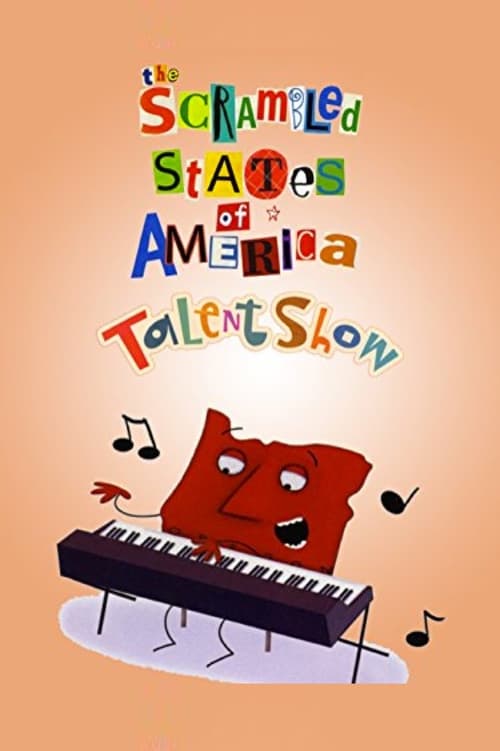
The 2009 animated short has a very simple, cheerful story, so the "complete spoiler" is really the full arc of a playful talent show rather than a dramatic plot with deaths, twists, or violence: New York dreams up the idea, the states gather, Georgia freezes with stage fright, and the show ends with her triumphantly joining the finale.
The story opens with the fifty states back together again in a bright, scrapbook-like world where geography is treated like a game. New York is the spark that sets everything in motion: in the middle of the night, while the other states are dozing off, New York wakes up with a sudden idea for a talent show. The energy of the moment is immediate and contagious. The states do not hesitate; they jump at the chance to participate, and the whole premise becomes a celebration of each state's quirks, talents, and personalities. Some states are eager to be in the spotlight, while others prefer the behind-the-scenes jobs. Indiana is identified as the director, helping run the event from backstage, and Arizona is also one of the states that contributes offstage work instead of taking the center of the stage. Right away, the story establishes its rhythm: this is a communal, friendly production where every state has a role, whether flashy or practical.
As the talent show begins, the stage fills with a parade of absurd, geography-based acts that turn state identities into jokes and visual puns. The middle of the story unfolds almost like a vaudeville revue. Michigan's lower peninsula performs a ventriloquist act with the upper peninsula, turning the shape of the state into a comic duo. Minnesota saws South Dakota in half, playing with the absurdity of state borders as if they were stage props. Wyoming and Tennessee impersonate Oklahoma in a spot-on routine, again leaning into the book's playful educational humor. Other states dance, juggle, and perform all kinds of goofball talents, including tap dancing and abbreviation-themed bits referenced in the adaptation's descriptions. The show is not built around suspense so much as momentum: one act follows another in a cheerful cascade, each one introducing another visual gag or state fact.
The emotional center of the story is Georgia. Unlike the bolder performers, Georgia becomes overwhelmed by a bad case of stage fright just as the show is gearing up. This is the only real conflict in the narrative, and it gives the short a small but meaningful heartbeat. Georgia is supposed to perform her juggling act, but when the time comes, panic takes over and she cannot go on. The contrast is vivid: the stage is alive with confident, colorful performances, while Georgia is stuck in a moment of fear, her nerves getting the better of her. The tension comes not from danger but from the pressure of being expected to step into the spotlight. The story frames this as a genuine emotional hurdle, but it never turns cruel; the tone stays warm and encouraging.
Backstage, Indiana continues directing, and the show keeps moving forward while Georgia wrestles with her fear. There is no villain, no sabotage, and no external threat. The only question is whether Georgia can recover in time to join the finale. That uncertainty gives the climax its shape. The talent show's structure matters here: because the whole event has been built as a sequence of group performances and collaborative routines, Georgia's absence would leave the finale incomplete. The story briefly holds that possibility open, allowing the audience to feel the same worry Georgia feels. The phrase used in promotional descriptions--whether the show will go on or whether it will be "curtains" for Georgia and the Jolly Jugglers--captures that moment of suspense, even though the outcome is always ultimately gentle rather than tragic.
Then the turning point arrives. Georgia overcomes her stage fright just in time to rejoin the others. The final act brings her together with California, Idaho, and the rest of the Jolly Jugglers, and the mood shifts from nervous anticipation to bright relief. The reunion is the emotional payoff of the short. Georgia's fear does not disappear magically; instead, she pushes through it, and that act of courage becomes the story's real resolution. The finale is celebratory and unified, with the states coming together in a burst of motion and color that rewards the setup from the beginning. The show succeeds because the states cooperate, because each one contributes something distinct, and because Georgia finds the confidence to step back into the performance at the crucial moment.
The ending is straightforward and happy. There are no deaths, no hidden betrayals, no major revelations beyond the simple joys of the states' personalities and talents. The biggest "twist" is merely New York's nighttime inspiration becoming the organizing idea for the whole show. By the final scene, the talent show has done exactly what it set out to do: entertain, teach a little geography, and turn the states into a lively ensemble. Georgia's successful return to the finale closes the emotional arc, and the story ends on a note of communal triumph rather than suspense.
In the end, everyone lives, everyone participates, and the fifty states finish the show together in a playful, upbeat finale.



What is the ending?
In the ending of "The Scrambled States of America Talent Show," the states come together to celebrate their unique talents. They realize that their differences make them special and that collaboration is more rewarding than competition. The show concludes with a grand performance that showcases the diverse abilities of each state, leading to a joyful and harmonious resolution.
As the final act of the talent show approaches, the atmosphere is charged with excitement and anticipation. The stage is set, adorned with colorful decorations representing each state, and the audience buzzes with energy. The states, initially caught up in their individual competitions, begin to reflect on their experiences throughout the show.
Scene by scene, the narrative unfolds:
The first scene features the states backstage, nervously preparing for their final performances. Each state is dressed in costumes that reflect their unique characteristics--California in surf gear, Texas in cowboy attire, and New York in a flashy Broadway outfit. The tension is palpable as they discuss their individual acts, but there is an underlying sense of camaraderie beginning to form.
As the show begins, the host, a charismatic figure, introduces the states one by one. The audience cheers enthusiastically, and the states take turns showcasing their talents. Florida performs a lively dance routine, while Illinois presents a magic trick that leaves everyone in awe. The performances are met with applause, but there is a growing realization among the states that they are competing against one another rather than celebrating their individuality.
In a pivotal moment, the states gather backstage after a particularly fierce round of competition. They express their frustrations and insecurities, revealing their desire to be recognized for their unique contributions rather than just winning a contest. This heartfelt exchange fosters a sense of unity among them, and they decide to collaborate on a final performance that highlights their diverse talents.
The next scene shows the states working together to create a spectacular finale. They brainstorm ideas, combining elements from each of their acts into a cohesive performance. The energy is infectious as they laugh, share stories, and support one another, showcasing their newfound friendship. The audience can feel the shift in the atmosphere, as the states are no longer rivals but partners in creativity.
As the grand finale begins, the stage is transformed into a vibrant tapestry of colors and sounds. The states perform a medley that incorporates dance, music, and storytelling, each state taking turns to shine while also supporting their fellow performers. The audience is captivated, clapping and cheering as the states harmonize their talents, celebrating their differences rather than competing against them.
In the final moments of the show, the states take a bow together, arms linked, beaming with pride. The host announces that there are no winners or losers, only a celebration of the unique talents each state brings to the table. The crowd erupts in applause, and the states realize that their collaboration has created something far more beautiful than any individual performance could have achieved.
As the curtain falls, the states leave the stage with a renewed sense of purpose and friendship. They understand that their identities are enriched by their differences, and they look forward to future collaborations. The film closes with a montage of the states enjoying their time together, exploring each other's unique cultures, and embracing the idea that diversity is a strength.
In this way, each main character--the states--finds fulfillment not in competition, but in unity and collaboration, leaving the audience with a heartwarming message about the importance of celebrating diversity and working together.
Is there a post-credit scene?
The movie "The Scrambled States of America Talent Show" does not feature a post-credit scene. The film concludes its narrative without any additional scenes after the credits roll. The story wraps up with the states showcasing their unique talents in a vibrant and entertaining talent show, emphasizing themes of individuality and cooperation among the states. The focus remains on the main events and the characters' journeys throughout the film, leaving no additional content for a post-credit sequence.
What role does the character of the narrator play in the story?
The narrator in 'The Scrambled States of America Talent Show' serves as a guide for the audience, providing context and commentary on the events unfolding during the talent show. The narrator's tone is engaging and playful, helping to build excitement and anticipation for each state's performance. This character also reflects the emotions of the states, enhancing the viewer's connection to the story.
What talents do the different states showcase during the talent show?
In 'The Scrambled States of America Talent Show,' each state showcases unique talents that reflect their characteristics. For example, California performs a surfing act, while Texas showcases a line dancing routine. New York presents a dramatic monologue, and Florida brings a fun, lively alligator dance. Each state's performance highlights its cultural identity and adds to the vibrant atmosphere of the talent show.
How do the states feel about their performances during the talent show?
Throughout the talent show, the states experience a range of emotions. Initially, they are excited and eager to showcase their talents, but as the performances progress, some states feel nervous or insecure about their acts. For instance, when a state struggles to impress the audience, it feels disheartened, while others feel a sense of pride and joy when they receive applause, showcasing their emotional investment in the event.
How do the states interact with each other during the talent show?
During the talent show, the states interact in a friendly and supportive manner, cheering each other on and celebrating their unique talents. However, there are moments of rivalry and competition, particularly when one state outshines another. These interactions highlight the camaraderie among the states, as they ultimately come together to appreciate each other's performances, fostering a sense of unity despite their differences.
What challenges do the states face while preparing for the talent show?
As the states prepare for the talent show, they encounter various challenges, such as stage fright, disagreements over performance styles, and the pressure to impress the audience. Some states struggle to find the right act that represents them, leading to moments of doubt and frustration. These challenges create tension but also serve as opportunities for growth, as the states learn to collaborate and support one another in overcoming their fears.
Is this family friendly?
The Scrambled States of America Talent Show is a family-friendly animated film that is designed to entertain and educate children. It features a whimsical and colorful portrayal of the United States, with states personified as characters who showcase their unique talents.
While the film is generally lighthearted, there are a few aspects that might be considered slightly unsettling for very sensitive viewers:
-
Competition Pressure: The talent show format introduces a competitive atmosphere, which may evoke feelings of anxiety or stress in some children, especially those who are sensitive to themes of competition.
-
Character Reactions: Some characters may experience disappointment or frustration when their talents are not recognized or appreciated, which could resonate with children who have faced similar feelings.
-
Silly Antics: The humor is often derived from exaggerated situations and antics, which might be perceived as chaotic or overwhelming for some viewers.
Overall, the film maintains a positive and encouraging tone, focusing on themes of self-expression, diversity, and acceptance, making it suitable for family viewing.