






















Popular
What motivates Jay Gatsby to throw extravagant parties?
How does Nick Carraway's perspective influence the story?
What is the significance of the green light at the end of Daisy's dock?
How does Daisy Buchanan's character reflect the themes of wealth and privilege?
What role does Tom Buchanan play in the conflict of the story?
Should I watch it?
Ask Your Own Question

What is the plot?
Sorry, we aren't able to watch and write up a full detailed plot yet. Check back in a few days.
More Movies Like This
Browse All Movies →







What is the ending?
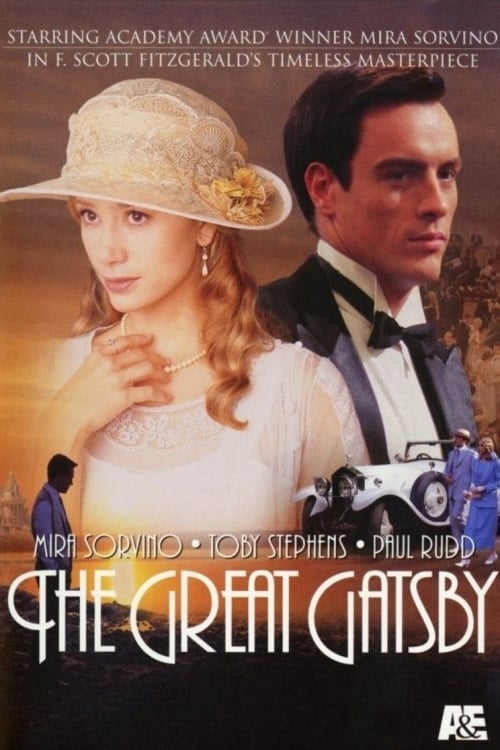
In the ending of the 2000 film "The Great Gatsby," Jay Gatsby is killed by George Wilson, who believes Gatsby was driving the car that killed his wife, Myrtle. After Gatsby's death, Nick Carraway, the narrator, struggles with the emptiness of the world around him and the superficiality of the people he once admired. Daisy Buchanan and Tom Buchanan retreat into their wealth, leaving Gatsby's funeral unattended by anyone but Nick. Ultimately, Nick decides to return to the Midwest, disillusioned by the East and its hollow pursuits.
As the film approaches its conclusion, the tension escalates dramatically. The scene opens in the lavish mansion of Jay Gatsby, where the atmosphere is thick with anticipation and dread. Gatsby, portrayed with a mix of hope and desperation, is waiting for a call from Daisy Buchanan, the love of his life. He is consumed by the dream of rekindling their past romance, which he believes will restore his happiness and validate his extravagant lifestyle.
The narrative shifts to a confrontation at the Plaza Hotel, where Gatsby, Tom Buchanan, and Daisy engage in a heated exchange. Tom, embodying the arrogance of old money, confronts Gatsby about his past and his intentions with Daisy. The air is charged with tension as Gatsby insists that Daisy never loved Tom, a claim that shakes the very foundation of their relationship. Daisy, caught in the crossfire, is torn between her past with Gatsby and her present with Tom. The emotional turmoil is palpable, and the scene crescendos with Daisy's admission that she did love Tom at one point, leaving Gatsby shattered.
Following this confrontation, the story takes a tragic turn. Daisy, driving Gatsby's car, accidentally hits Myrtle Wilson, Tom's mistress, who runs into the road. In a moment of chaos and confusion, Myrtle dies, and Gatsby, ever the romantic, takes the blame for the accident, hoping to protect Daisy. This act of self-sacrifice highlights Gatsby's unwavering devotion to Daisy, even as it sets off a chain of tragic events.
The narrative then shifts to George Wilson, Myrtle's husband, who is consumed by grief and rage. Misled by Tom, who suggests that Gatsby was driving the car, George seeks vengeance. In a haunting scene, he tracks down Gatsby at his mansion. Gatsby, still hopeful and waiting for Daisy's call, is unaware of the impending danger. The camera captures the opulence of Gatsby's home, contrasting sharply with the darkness of the moment. George confronts Gatsby in the pool, and in a moment of tragic inevitability, he shoots Gatsby before taking his own life. The scene is heavy with the weight of lost dreams and the futility of Gatsby's pursuit of love.
In the aftermath of Gatsby's death, Nick Carraway, the film's narrator, is left to grapple with the emptiness of the world around him. He is disillusioned by the superficiality of the wealthy elite, who turn their backs on Gatsby in death as they did in life. The funeral is a stark representation of this abandonment; despite Gatsby's grand parties and the lives he touched, no one from his social circle attends. Only Nick, filled with sorrow and a sense of betrayal, stands by Gatsby's grave, reflecting on the hollowness of the American Dream.
Daisy and Tom Buchanan retreat into their wealth, leaving behind the chaos they have caused. They embody the moral decay of the upper class, choosing to ignore the consequences of their actions. Their departure signifies a return to their insulated world, untouched by the tragedy that unfolded.
In the final scenes, Nick decides to leave the East and return to the Midwest, symbolizing his rejection of the values he once admired. He reflects on Gatsby's dream, the relentless pursuit of an ideal that ultimately led to destruction. The film closes with Nick's poignant realization that the American Dream is fraught with disillusionment, leaving viewers with a haunting sense of loss and the fragility of hope.
Is there a post-credit scene?
The 2000 film adaptation of "The Great Gatsby" does not include a post-credit scene. The movie concludes with the final moments of Nick Carraway reflecting on the events that transpired, particularly the tragic fate of Jay Gatsby and the emptiness of the American Dream. The film ends on a somber note, emphasizing themes of loss and disillusionment, without any additional scenes or content after the credits roll.
What motivates Jay Gatsby to throw extravagant parties?
Jay Gatsby throws extravagant parties primarily to attract the attention of Daisy Buchanan, the love of his life. He believes that by showcasing his wealth and success, he can win her back after their separation. Gatsby's longing for Daisy is deeply rooted in his past, where he idealized her as a symbol of beauty and status. His parties are not just social gatherings; they are a desperate attempt to recreate the past and reignite their romance.
How does Nick Carraway's perspective influence the story?
Nick Carraway serves as the narrator and his perspective is crucial in shaping the audience's understanding of the events and characters. He is both an observer and a participant in the story, providing insights into Gatsby's enigmatic nature and the moral decay of the society around him. Nick's initial admiration for Gatsby evolves into a more complex view as he witnesses the consequences of wealth and ambition, ultimately leading to his disillusionment with the American Dream.
What is the significance of the green light at the end of Daisy's dock?
The green light at the end of Daisy's dock symbolizes Gatsby's hopes and dreams for the future, particularly his desire to reunite with Daisy. It represents the unattainable and the idealized vision of love and success that Gatsby strives for. Throughout the film, the light serves as a constant reminder of his longing and the distance between his dreams and reality, highlighting the theme of aspiration and the elusiveness of the American Dream.
How does Daisy Buchanan's character reflect the themes of wealth and privilege?
Daisy Buchanan embodies the themes of wealth and privilege in the story. She is portrayed as beautiful and charming, yet shallow and self-absorbed, often using her social status to manipulate those around her. Daisy's choices, particularly her decision to marry Tom Buchanan for security rather than love, illustrate the moral emptiness that can accompany affluence. Her character raises questions about the cost of wealth and the sacrifices made in pursuit of social standing.
What role does Tom Buchanan play in the conflict of the story?
Tom Buchanan serves as the primary antagonist in the story, representing the old money elite and their sense of entitlement. His aggressive and domineering personality creates tension, particularly in his interactions with Gatsby and Daisy. Tom's infidelity and racism reveal his moral corruption, and his actions ultimately lead to the tragic downfall of Gatsby. He embodies the destructive nature of privilege and the lengths to which individuals will go to protect their status.
Is this family friendly?
The Great Gatsby (2000) contains several elements that may not be suitable for children or sensitive viewers. Here are some potentially objectionable aspects:
-
Alcohol Consumption: The film depicts frequent scenes of characters drinking alcohol, reflecting the excesses of the Roaring Twenties.
-
Infidelity: There are themes of infidelity and romantic entanglements that may be inappropriate for younger audiences.
-
Violence: There are moments of emotional and physical conflict, including a scene that involves a car accident leading to a tragic outcome.
-
Death: The film addresses themes of loss and mortality, culminating in a significant character's death, which may be distressing.
-
Class Disparity: The portrayal of wealth and social status can be unsettling, as it highlights the moral decay and emptiness of the characters' lives.
-
Emotional Turmoil: Characters experience intense emotional struggles, including jealousy, despair, and longing, which may be heavy for younger viewers.
These elements contribute to a complex narrative that explores adult themes, making it more suitable for mature audiences.








