









Popular
What is the main conflict that the character Joe Braxton faces in Bustin' Loose?
How does Joe Braxton's relationship with the children evolve throughout the film?
What role does the character of Miss Smith play in the story?
What are some of the key comedic moments that highlight Joe's struggles with the children?
How does the film address the theme of redemption through Joe Braxton's character arc?
Should I watch it?
Ask Your Own Question

What is the plot?
Sorry, we aren't able to watch and write up a full detailed plot yet. Check back in a few days.
More Movies Like This
Browse All Movies →





What is the ending?
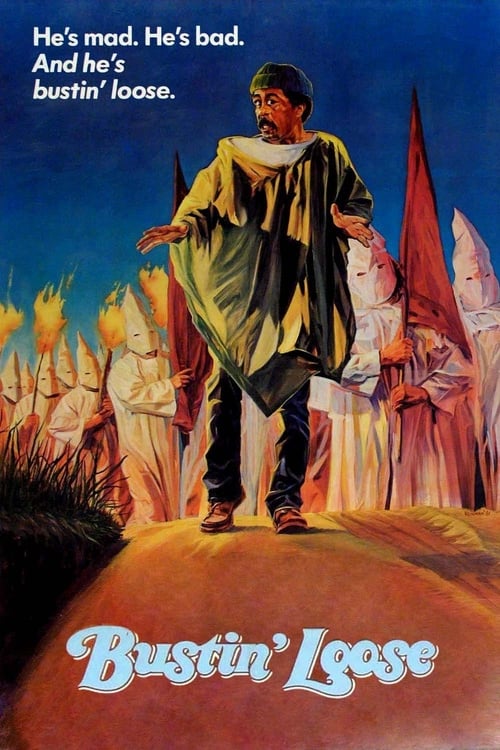
At the end of "Bustin' Loose," the group of misfit children and their caretaker, Joe Braxton, successfully reach their destination, and Joe finds a new sense of purpose and belonging. The children, who have grown close to Joe, are shown to have transformed through their journey. The film concludes with a sense of hope and community as they all embrace their new lives.
In a more detailed narrative of the ending:
As the film approaches its climax, Joe Braxton, played by Richard Pryor, and the group of children he has been transporting finally arrive at their destination, a school for troubled youth. The journey has been fraught with challenges, including a series of misadventures that tested Joe's patience and resolve. Throughout the trip, Joe has evolved from a self-centered man into a caring figure who genuinely connects with the children.
In the final scenes, the bus pulls up to the school, and the children, who have formed a bond with Joe, are filled with mixed emotions. They are excited about their new beginning but also reluctant to leave the only father figure they have known during their journey. Joe, too, feels a pang of sadness as he realizes how much he has come to care for the kids. He stands outside the bus, watching them with a proud yet heavy heart.
As the children disembark, they express their gratitude to Joe, each one of them sharing a moment of connection. One child, in particular, who had been especially troubled, thanks Joe for believing in him. This moment highlights Joe's transformation; he has become a mentor and a source of inspiration for the kids, showing them that they are capable of more than they ever thought possible.
After the children enter the school, Joe is left standing outside, contemplating his next steps. He is approached by the school staff, who express their appreciation for the effort he put into bringing the children to safety. They recognize the positive impact he has had on their lives, and Joe begins to see a future for himself that involves helping others.
In the final moments of the film, Joe is seen walking away from the school, a smile on his face. He has found a new sense of purpose, and the journey has changed him for the better. The camera pans out, showing the school in the background, symbolizing hope and new beginnings for both Joe and the children. The film ends on a note of optimism, emphasizing the importance of community, connection, and personal growth.
Each main character, including Joe and the children, has undergone significant development. Joe has transitioned from a reluctant caretaker to a committed mentor, while the children have learned to trust and believe in themselves. The ending encapsulates the film's themes of redemption, the power of relationships, and the potential for change.
Is there a post-credit scene?
"Bustin' Loose," produced in 1981, does not have a post-credit scene. The film concludes without any additional scenes or content after the credits roll. The story wraps up with the main characters, including the protagonist, Joe Braxton, played by Richard Pryor, and the group of misfit children he has been tasked with transporting, reaching their destination and finding a sense of closure in their journey. The film focuses on themes of redemption, responsibility, and the importance of community, culminating in a heartfelt resolution that leaves the audience with a sense of fulfillment.
What is the main conflict that the character Joe Braxton faces in Bustin' Loose?
Joe Braxton, played by Richard Pryor, faces the conflict of being a parolee who is trying to turn his life around while being tasked with transporting a group of misfit children from a troubled school to a summer camp. His initial reluctance to take on this responsibility stems from his own troubled past and the challenges he faces in dealing with the children's various behavioral issues.
How does Joe Braxton's relationship with the children evolve throughout the film?
Initially, Joe Braxton is frustrated and overwhelmed by the children, who are unruly and difficult to manage. However, as the journey progresses, he begins to bond with them, understanding their individual struggles and backgrounds. This evolution is marked by moments of humor, empathy, and ultimately, a sense of responsibility as he becomes a father figure to them.
What role does the character of Miss Smith play in the story?
Miss Smith, portrayed by Cicely Tyson, is a dedicated teacher who believes in the potential of her students. She serves as a guiding force for Joe Braxton, encouraging him to embrace his role in the children's lives. Her unwavering support and belief in the kids help to motivate Joe, pushing him to confront his own fears and insecurities.
What are some of the key comedic moments that highlight Joe's struggles with the children?
Key comedic moments include Joe's attempts to manage the children's antics, such as when they play pranks on him, or when he tries to teach them life lessons that often backfire. One memorable scene involves a chaotic bus ride where the children create havoc, leading to a series of slapstick situations that showcase Joe's growing frustration and eventual acceptance of his role.
How does the film address the theme of redemption through Joe Braxton's character arc?
Joe Braxton's character arc is central to the theme of redemption. Initially portrayed as a self-centered individual, his journey with the children forces him to confront his past mistakes and embrace a more altruistic path. His interactions with the children, particularly as he learns to care for them and advocate for their needs, illustrate his transformation from a man seeking personal freedom to one who finds purpose in helping others.
Is this family friendly?
"Bustin' Loose," produced in 1981, is a comedy film that features a mix of humor and heartwarming moments. While it is generally considered a family-friendly movie, there are a few scenes and aspects that might be potentially objectionable or upsetting for children or sensitive viewers:
-
Language: The film contains some mild profanity and crude humor that may not be suitable for younger audiences.
-
Themes of Neglect: The story involves a group of troubled children who have faced neglect and difficult circumstances, which may be emotionally challenging for some viewers.
-
Physical Comedy: There are scenes of slapstick humor that involve physical mishaps, which could be perceived as violent or distressing, especially for sensitive viewers.
-
Emotional Struggles: Characters experience moments of frustration, sadness, and conflict, which may evoke strong emotions and could be upsetting for some children.
-
Social Issues: The film touches on themes of poverty and social challenges, which might be heavy topics for younger audiences to fully grasp.
Overall, while "Bustin' Loose" has comedic elements and a positive message, parents may want to consider these aspects when deciding if it is appropriate for their children.








