
























Popular
What challenges did Coach Herb Brooks face while assembling the team?
How did the players react to Herb Brooks' coaching style?
What was the significance of the game against the Soviet Union in the players' lives?
How did the team bond during their training sessions?
What role did the media play in the team's journey to the Olympics?
Should I watch it?
Ask Your Own Question

What is the plot?
Sorry, we aren't able to watch and write up a full detailed plot yet. Check back in a few days.
More Movies Like This
Browse All Movies →






What is the ending?
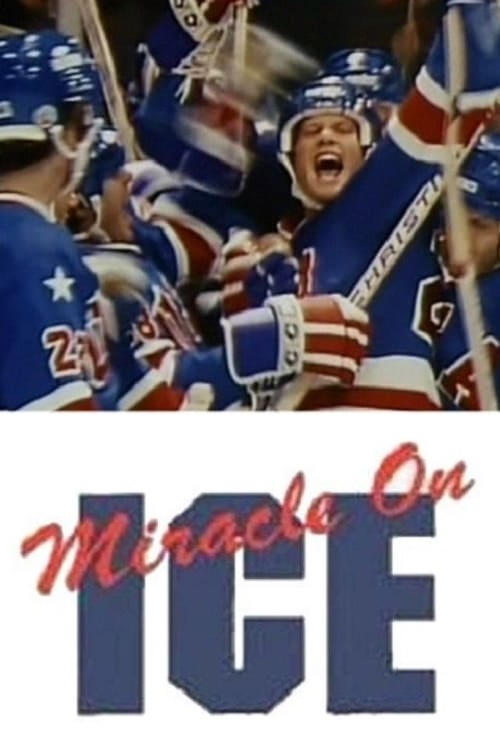
In the ending of "Miracle on Ice," the U.S. hockey team faces the Soviet Union in the final match of the 1980 Winter Olympics. After a tense and hard-fought game, the U.S. team emerges victorious with a score of 4-3. The players celebrate their unexpected triumph, and the moment becomes a symbol of hope and national pride. Coach Herb Brooks reflects on the journey and the sacrifices made, while the players embrace their victory, solidifying their place in sports history.
As the final moments of the film unfold, the scene is set in the packed arena, filled with anticipation and tension. The U.S. team, under the guidance of Coach Herb Brooks, takes to the ice against the formidable Soviet Union, a team that has dominated international hockey for years. The atmosphere is electric, with fans on the edge of their seats, and the stakes could not be higher.
The game begins, and the U.S. players, initially nervous, quickly find their rhythm. They play with heart and determination, showcasing their skills and teamwork. The camera captures the intensity on the ice, the sweat glistening on their brows, and the fierce determination in their eyes. As the first period progresses, the Soviets score first, but the U.S. team responds with grit, tying the game. The players' faces reflect a mix of anxiety and resolve, each one pushing through their fears and doubts.
As the second period unfolds, the U.S. team continues to battle fiercely. The tension mounts as they score again, taking a lead that sends shockwaves through the arena. The players' emotions are palpable; joy and disbelief wash over them as they realize they are competing on equal footing with their legendary opponents. Coach Brooks, on the sidelines, is a picture of focus and intensity, urging his players on, instilling in them the belief that they can achieve the impossible.
The third period is a nail-biter. The Soviets, known for their skill and experience, retaliate fiercely, scoring to tie the game once more. The U.S. players, however, refuse to back down. The camera captures the determination etched on their faces, the sweat-soaked jerseys, and the camaraderie that has developed among them throughout their training. Each player is fighting not just for victory, but for each other, for their country, and for the dream they have worked so hard to achieve.
As the clock winds down, the tension is almost unbearable. The U.S. team manages to score one final goal, taking a 4-3 lead. The arena erupts in cheers, but the players know they must hold on for the remaining minutes. The final moments of the game are filled with frantic action, the puck moving back and forth, the players giving everything they have left. The camera captures the desperation and hope in their eyes, the weight of history resting on their shoulders.
Finally, the buzzer sounds, signaling the end of the game. The U.S. team has done the unthinkable; they have defeated the Soviet Union. The players collapse onto the ice, overwhelmed with emotion. They embrace each other, tears of joy streaming down their faces. Coach Brooks, standing on the sidelines, allows himself a moment of pride, knowing that he has led them to this historic victory.
As the scene shifts to the aftermath, the players are celebrated as heroes. The arena is filled with cheers, and the national anthem plays, symbolizing a moment of unity and pride for the country. Each player reflects on their journey, the sacrifices made, and the bonds formed. The film closes with a sense of hope and inspiration, highlighting the power of teamwork, perseverance, and the belief that anything is possible when you dare to dream.
In the end, Coach Herb Brooks is recognized for his leadership and vision, while each player, from Mike Eruzione, who scored the winning goal, to Jim Craig, the determined goalie, finds their place in history. They have not only won a game but have also inspired a nation, leaving a legacy that transcends sports.
Is there a post-credit scene?
The movie "Miracle on Ice," produced in 1981, does not contain a post-credit scene. The film concludes with the dramatic and emotional climax of the U.S. hockey team's victory over the Soviet Union in the 1980 Winter Olympics. After the final whistle blows, the focus is on the jubilation of the players and the crowd, capturing the essence of that historic moment. The film wraps up with a sense of triumph and national pride, leaving no additional scenes or credits to follow.
What challenges did Coach Herb Brooks face while assembling the team?
Coach Herb Brooks faced numerous challenges while assembling the U.S. Olympic hockey team. He had to select players from a pool of talented college athletes, many of whom had never played together before. Brooks was determined to create a cohesive unit that could compete against the seasoned Soviet team. He often clashed with players over his demanding training regimen, which included intense practices and a focus on conditioning. His vision for the team was met with skepticism from both players and officials, but he remained steadfast in his belief that hard work and teamwork would lead to success.
How did the players react to Herb Brooks' coaching style?
The players initially reacted with resistance to Herb Brooks' intense coaching style. His rigorous training sessions and high expectations created a sense of frustration among the team members. They were pushed to their physical limits, and some questioned his methods and the necessity of such grueling practices. However, as they began to see improvements in their skills and teamwork, many players started to respect Brooks' vision. The turning point came when they realized that his tough love approach was aimed at preparing them for the ultimate challenge against the Soviet Union.
What was the significance of the game against the Soviet Union in the players' lives?
The game against the Soviet Union held immense significance for the players, as it represented not just a chance to win a gold medal, but also an opportunity to prove themselves on a global stage. For many of the young athletes, this match was a culmination of years of hard work, sacrifice, and dedication to the sport. The emotional weight of representing their country added to the pressure, but it also fueled their determination. The victory became a defining moment in their lives, instilling a sense of pride and accomplishment that transcended the sport itself.
How did the team bond during their training sessions?
The team bonded during their training sessions through shared struggles and triumphs. As they endured the physically demanding practices orchestrated by Coach Brooks, they learned to rely on one another for support and motivation. Moments of camaraderie emerged during breaks, where players would share stories, jokes, and personal experiences, fostering a sense of brotherhood. The challenges they faced together, including the grueling conditioning drills and the pressure of competition, ultimately forged strong relationships that would carry them through the trials of the Olympic Games.
What role did the media play in the team's journey to the Olympics?
The media played a dual role in the team's journey to the Olympics, initially portraying skepticism about their chances against the dominant Soviet team. Coverage often focused on the team's inexperience and the daunting task ahead, which added pressure to the players. However, as the team progressed through the tournament, media attention shifted to their remarkable performances and the inspiring story of their underdog status. This growing support from the media helped to galvanize public interest and pride in the team, ultimately contributing to the emotional atmosphere surrounding their historic victory.
Is this family friendly?
"Miracle on Ice," produced in 1981, is generally considered family-friendly, as it focuses on the inspiring true story of the U.S. hockey team's journey to victory in the 1980 Winter Olympics. However, there are a few aspects that might be considered objectionable or upsetting for children or sensitive viewers:
-
Intense Competition: The film portrays the pressure and intensity of competitive sports, which may be stressful for some viewers, especially younger children.
-
Emotional Struggles: Characters experience moments of doubt, frustration, and disappointment, particularly during training and competition, which may evoke strong emotions.
-
Conflict and Tension: There are scenes that depict conflicts between players and coaches, showcasing the challenges of teamwork and personal struggles, which might be difficult for some viewers to watch.
-
Historical Context: The backdrop of the Cold War and the rivalry with the Soviet Union may introduce themes of nationalism and tension that could be complex for younger audiences to fully understand.
Overall, while the film is uplifting and centers on themes of perseverance and teamwork, these elements may require some context for younger viewers.







