
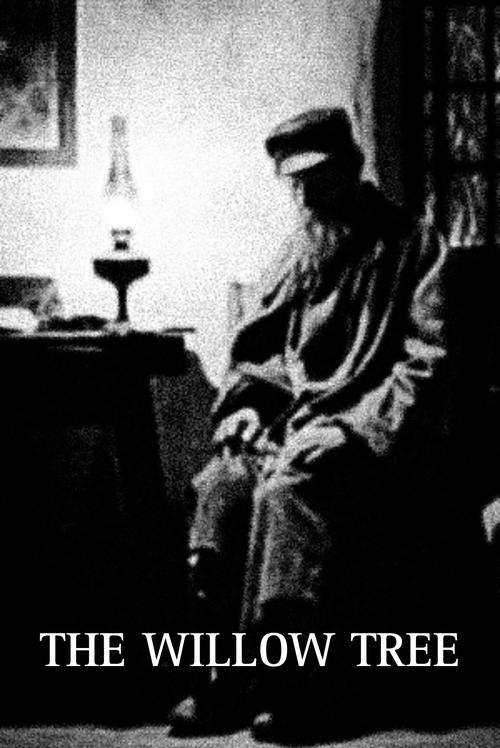


Popular
What are the key moments that highlight the protagonist's internal conflict?
How does the protagonist's relationship with his family evolve throughout the film?
What role does the character of the old man play in the protagonist's journey?
What is the significance of the willow tree in the story?
How does the protagonist cope with loss throughout the film?
Should I watch it?
Ask Your Own Question

What is the plot?
Sorry, we aren't able to watch and write up a full detailed plot yet. Check back in a few days.





What is the ending?
In the ending of "The Willow Tree," the protagonist, a blind man named Taha, experiences a profound moment of realization and emotional turmoil. After a series of events that lead him to confront his past and the people around him, he ultimately finds a sense of closure. The film concludes with Taha embracing his blindness and the life he has led, while the people in his life come to terms with their own feelings and relationships.
As the film approaches its conclusion, we find Taha, who has been navigating the complexities of his relationships and his own identity as a blind man. The emotional weight of his journey culminates in a poignant scene where he is surrounded by the people he loves. Taha's daughter, who has been a source of both joy and conflict, stands by him, reflecting the bond they share despite the challenges they have faced.
In a moment of clarity, Taha acknowledges the love and support he has received, as well as the pain that has accompanied it. He expresses gratitude for the experiences that have shaped him, even as he grapples with the reality of his blindness. The willow tree, a symbol of resilience and growth throughout the film, stands tall in the background, representing the enduring nature of life and the connections we forge.
As the final scenes unfold, Taha's acceptance of his circumstances becomes evident. He no longer fights against his blindness but instead embraces it as part of who he is. The film closes with a sense of peace, as Taha's family gathers around him, united in their love and understanding. Each character reflects on their own journeys, finding solace in the shared experiences that have brought them together.
In the end, Taha's fate is one of acceptance and inner strength. His daughter, having witnessed her father's journey, gains a deeper appreciation for their relationship. The film leaves the audience with a sense of hope, emphasizing the importance of love, understanding, and the resilience of the human spirit in the face of adversity.
Is there a post-credit scene?
The movie "The Willow Tree," produced in 1984, does not have a post-credit scene. The film concludes its narrative without any additional scenes or content after the credits roll. The story wraps up with a poignant ending that encapsulates the emotional journey of the characters, particularly focusing on themes of loss, hope, and the passage of time. The absence of a post-credit scene allows the audience to reflect on the film's themes and the fates of the characters without any further distractions.
What are the key moments that highlight the protagonist's internal conflict?
Key moments include his solitary reflections under the willow tree, heated arguments with family members, and poignant flashbacks that reveal his past traumas. These scenes illustrate his struggle between embracing vulnerability and the fear of emotional pain.
How does the protagonist's relationship with his family evolve throughout the film?
The protagonist's relationship with his family is strained at the beginning, marked by misunderstandings and emotional distance. As the story progresses, moments of vulnerability and shared experiences lead to a deeper connection, showcasing the complexities of familial love.
What role does the character of the old man play in the protagonist's journey?
The old man acts as a mentor figure, guiding the protagonist through moments of crisis. His wisdom and life experiences provide crucial insights that help the protagonist confront his fears and ultimately find a sense of purpose.
What is the significance of the willow tree in the story?
The willow tree serves as a central symbol in the film, representing both the fragility and resilience of life. It is a place of solace for the characters, particularly for the protagonist, who finds comfort and reflection beneath its branches.
How does the protagonist cope with loss throughout the film?
The protagonist grapples with profound loss, which manifests in his emotional turmoil and isolation. He navigates through stages of grief, seeking solace in the willow tree and the memories associated with it, ultimately leading to a cathartic acceptance.
Is this family friendly?
"The Willow Tree," produced in 1984, is a poignant drama that explores themes of loss, grief, and the complexities of human relationships. While it is a deeply emotional film, it may not be considered family-friendly for younger audiences or sensitive viewers due to several potentially objectionable or upsetting aspects:
-
Themes of Death and Grief: The film delves into the emotional turmoil surrounding the loss of loved ones, which may be distressing for children or those sensitive to themes of mortality.
-
Intense Emotional Scenes: There are moments of profound sadness and despair that may evoke strong emotional reactions, including scenes of characters mourning and struggling with their feelings.
-
Family Conflict: The narrative includes instances of familial tension and conflict, which may be unsettling for younger viewers who are not accustomed to such dynamics.
-
Depictions of Suffering: Characters experience significant personal suffering, which is portrayed in a raw and realistic manner, potentially impacting sensitive viewers.
-
Existential Questions: The film raises deep philosophical questions about life, purpose, and the human condition, which may be challenging for younger audiences to comprehend.
Overall, while "The Willow Tree" offers a rich narrative and emotional depth, its heavy themes and intense emotional content may not be suitable for all viewers, particularly children or those who are easily affected by such topics.







