













Popular
What is the relationship between J.R. Ewing and his father, Jock Ewing, in the film?
How does the character of Miss Ellie influence the Ewing family dynamics?
What motivates J.R. Ewing's ambition throughout the film?
What role does the character of Gary Ewing play in the story?
How does the film depict the early days of the Ewing family's oil empire?
Should I watch it?
Ask Your Own Question

What is the plot?
Sorry, we aren't able to watch and write up a full detailed plot yet. Check back in a few days.
More Movies Like This
Browse All Movies →




What is the ending?
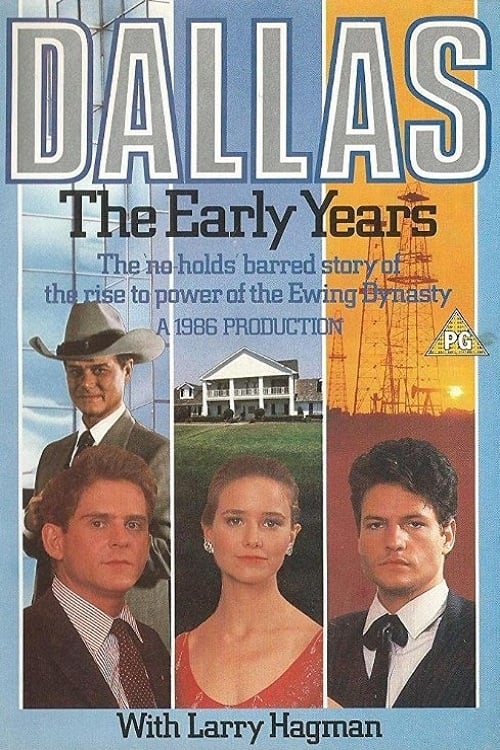
In the ending of "Dallas: The Early Years," the story culminates in a dramatic confrontation between the Ewing family and their rivals, leading to significant revelations about loyalty, betrayal, and the complexities of family ties. The film concludes with the characters facing the consequences of their actions, setting the stage for future conflicts.
As the final scenes unfold, the tension escalates. The Ewing family, led by Jock Ewing, is embroiled in a fierce battle over land and oil rights, which has been a central conflict throughout the film. Jock's determination to secure the family's legacy is palpable, and he is willing to go to great lengths to protect what he believes is rightfully theirs.
In a pivotal moment, Jock confronts his rival, Digger Barnes, who has been a thorn in the Ewing family's side. The confrontation is charged with emotion, as both men express their deep-seated animosity and the history that has led to this moment. Digger's motivations are rooted in a desire for revenge and recognition, while Jock's are driven by a fierce loyalty to his family and their heritage.
As the confrontation escalates, the stakes become even higher. The film reveals the personal sacrifices made by the characters, particularly by Miss Ellie, who has been a stabilizing force throughout the turmoil. Her emotional turmoil is evident as she navigates the conflict between her husband and the man who was once a part of their family.
In the climax, the Ewing family faces a critical decision that will determine their future. Jock's resolve is tested as he weighs the importance of family loyalty against the potential for further conflict. The film ends with a sense of uncertainty, as the characters are left to grapple with the consequences of their choices. Jock and Miss Ellie stand together, united in their commitment to their family, while Digger is left to confront the reality of his actions and the impact they have had on his life.
The final moments of the film leave the audience with a sense of anticipation for what lies ahead for the Ewing family, hinting at the ongoing struggles and triumphs that will define their legacy in Dallas. Each character's fate is intertwined with the choices they have made, setting the stage for the complex relationships and conflicts that will continue to unfold.
Is there a post-credit scene?
"Dallas: The Early Years," produced in 1986, does not contain a post-credit scene. The film concludes without any additional scenes or content after the credits roll. The story wraps up the narrative of the Ewing family and their early struggles, focusing on the origins of the characters and the dynamics that would shape the future of the "Dallas" series. The ending emphasizes the themes of ambition, family loyalty, and the complexities of relationships, leaving the audience with a sense of closure regarding the early years of the Ewing legacy.
What is the relationship between J.R. Ewing and his father, Jock Ewing, in the film?
In 'Dallas: The Early Years', the relationship between J.R. Ewing and his father, Jock Ewing, is complex and fraught with tension. Jock is a hard-nosed oilman who has high expectations for his son. J.R. seeks his father's approval but often feels overshadowed by Jock's strong personality and his own insecurities. This dynamic drives J.R. to prove himself, leading to manipulative and ruthless behavior as he tries to gain his father's respect.
How does the character of Miss Ellie influence the Ewing family dynamics?
Miss Ellie, portrayed as the matriarch of the Ewing family, plays a crucial role in maintaining the family's unity amidst the chaos of the oil business. Her nurturing nature contrasts with the aggressive tactics of the men in the family. She often acts as a mediator, trying to keep peace between Jock and J.R., and her emotional strength is a stabilizing force that influences the family's decisions and relationships.
What motivates J.R. Ewing's ambition throughout the film?
J.R. Ewing's ambition is primarily driven by his desire for power and recognition within the oil industry. He is motivated by a need to prove himself to his father, Jock, and to establish his own legacy. This ambition often leads him to engage in morally questionable tactics, as he believes that success in the cutthroat world of oil is the only way to earn respect and validation from his family and peers.
What role does the character of Gary Ewing play in the story?
Gary Ewing serves as a foil to J.R. in 'Dallas: The Early Years'. He is portrayed as the more sensitive and morally grounded brother, often at odds with J.R.'s ruthless ambition. Gary's character highlights the contrasting values within the Ewing family, as he seeks a more honest and ethical approach to life and business. His struggles with family expectations and his desire for independence create tension that impacts the family dynamics.
How does the film depict the early days of the Ewing family's oil empire?
The film illustrates the early days of the Ewing family's oil empire through a series of flashbacks and pivotal moments that showcase their rise to power. It highlights the challenges they face, including competition from rival oilmen and the moral dilemmas associated with their business practices. The visual storytelling captures the grit and determination of the Ewings as they navigate the complexities of the oil industry, setting the stage for the family's future conflicts and successes.
Is this family friendly?
"Dallas: The Early Years" is a drama that explores the origins of the Ewing family and the complex relationships that define them. While the film is not excessively graphic, it does contain themes and scenes that may be considered objectionable or upsetting for children or sensitive viewers.
-
Family Conflict: The film portrays intense family rivalries and conflicts, particularly between the Ewing family members, which may be emotionally charged and distressing.
-
Infidelity and Betrayal: There are elements of infidelity and betrayal that are central to the plot, which could be confusing or upsetting for younger viewers.
-
Violence and Threats: Some scenes involve threats of violence or confrontations that may be intense, reflecting the high-stakes world of oil and power.
-
Emotional Turmoil: Characters experience significant emotional struggles, including jealousy, anger, and heartbreak, which may resonate deeply and evoke strong feelings.
-
Substance Use: There are references to drinking and the social implications of alcohol use, which may not be suitable for younger audiences.
Overall, while the film does not contain explicit content, its themes and emotional depth may not be appropriate for all children or sensitive viewers.








