










Loading additional questions...
Popular
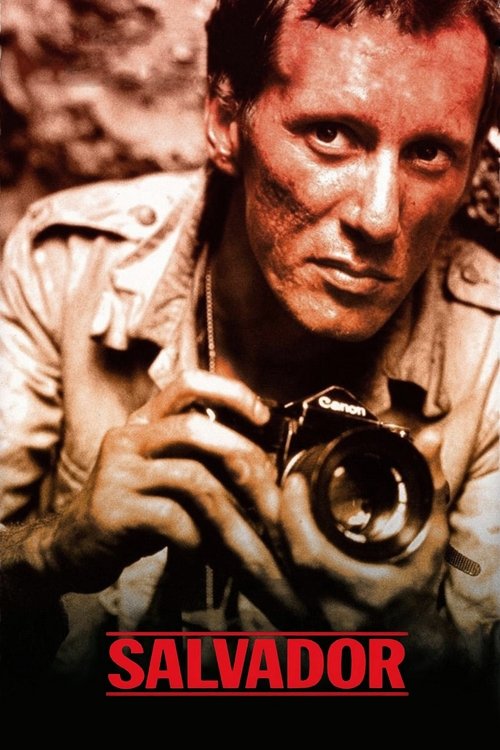
What motivates Richard Boyle to travel to El Salvador?
How does Boyle's relationship with his girlfriend, Maria, evolve throughout the film?
What role does the character of Dr. Corto play in Boyle's journey?
How does Boyle's experience with the military and government officials impact his perspective on the war?
What is the significance of Boyle's interactions with the local people in El Salvador?
Should I watch it?
Ask Your Own Question

What is the plot?
Sorry, we aren't able to watch and write up a full detailed plot yet. Check back in a few days.
What is the ending?
Is there a post-credit scene?
What motivates Richard Boyle to travel to El Salvador?
Richard Boyle, a cynical and disillusioned photojournalist, is motivated by a mix of personal ambition and a desire to capture the truth of the Salvadoran civil war. He seeks to revive his career and gain recognition by documenting the brutal realities of the conflict, driven by a sense of urgency to expose the atrocities occurring in the country.
How does Boyle's relationship with his girlfriend, Maria, evolve throughout the film?
Boyle's relationship with Maria is tumultuous and reflects his chaotic lifestyle. Initially, Maria is supportive, but as Boyle becomes increasingly consumed by his work and the dangers of the war, their relationship deteriorates. Maria's concern for Boyle's safety clashes with his obsession, leading to emotional distance and ultimately her departure.
What role does the character of Dr. Corto play in Boyle's journey?
Dr. Corto serves as a moral compass and a guide for Boyle in El Salvador. He is deeply involved in the humanitarian efforts to help the victims of the war and represents the idealism that Boyle struggles to connect with. Corto's commitment to the cause contrasts with Boyle's self-serving tendencies, highlighting Boyle's internal conflict between personal gain and ethical responsibility.
How does Boyle's experience with the military and government officials impact his perspective on the war?
Boyle's encounters with military and government officials reveal the corruption and brutality of the Salvadoran regime. These experiences shatter his initial naivety and force him to confront the harsh realities of power dynamics and human rights violations. As he witnesses the manipulation of truth and the suffering of innocent people, his perspective shifts from detached observer to an emotionally invested participant.
What is the significance of Boyle's interactions with the local people in El Salvador?
Boyle's interactions with the local people are crucial in humanizing the conflict for both him and the audience. Through these encounters, he begins to understand the personal stories behind the statistics of war. The suffering, resilience, and courage of the Salvadoran people deeply affect him, challenging his previously held beliefs and igniting a sense of responsibility to tell their stories.








