








Popular
What motivates Ruby Rose to leave her home and embark on her journey?
How does Ruby's relationship with her family influence her decisions throughout the film?
What challenges does Ruby face during her travels, and how do they shape her character?
Who are the key supporting characters in Ruby's journey, and what roles do they play?
What internal conflicts does Ruby experience as she navigates her journey?
Should I watch it?
Ask Your Own Question

What is the plot?
Sorry, we aren't able to watch and write up a full detailed plot yet. Check back in a few days.



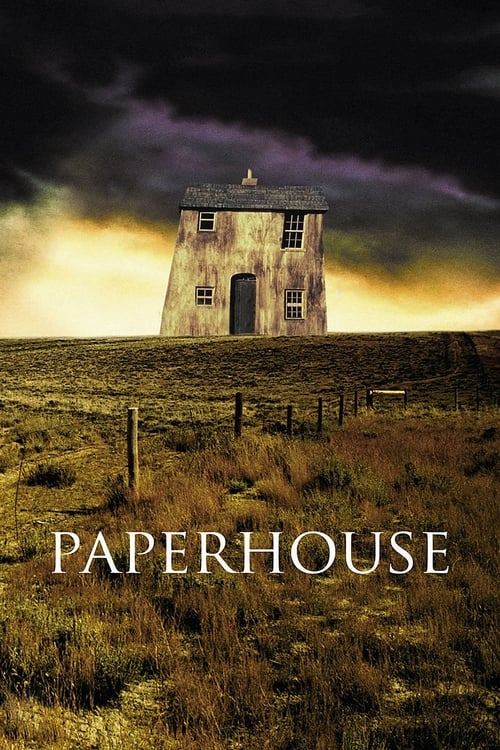





What is the ending?
In the ending of "The Tale of Ruby Rose," Ruby confronts the harsh realities of her life and the choices she has made. After a series of emotional and physical challenges, she ultimately finds a sense of resolution and acceptance of her circumstances. The film concludes with Ruby embracing her identity and the life she has chosen, despite the struggles she faces.
As the final scenes unfold, Ruby stands at a crossroads, both literally and metaphorically. The sun sets behind her, casting a warm glow that contrasts with the turmoil she has experienced. She reflects on her journey, the friends she has lost, and the lessons she has learned. The film closes with Ruby walking away from the camera, symbolizing her acceptance of her past and her determination to move forward.
Now, let's delve into the ending in a more detailed, chronological narrative.
As the climax of the film approaches, Ruby Rose finds herself in a tense confrontation with the antagonistic forces that have plagued her throughout her journey. The setting is a desolate landscape, where the remnants of her past decisions linger like shadows. Ruby, weary yet resolute, stands firm against the challenges that threaten to engulf her.
In the first scene of the ending, Ruby is seen gathering her strength, her face a mixture of determination and vulnerability. The weight of her experiences hangs heavily on her shoulders, but there is a flicker of hope in her eyes. She knows that she must confront the reality of her situation, and this realization fuels her resolve.
As she moves forward, Ruby encounters her former friends, who have also been affected by the tumultuous events that have unfolded. Their faces reflect a shared understanding of loss and hardship. In a poignant moment, they exchange glances filled with unspoken words, acknowledging the bond they once had and the paths they have taken. This scene emphasizes the theme of connection and the impact of choices on relationships.
The tension escalates as Ruby faces off against the antagonists who represent the darker aspects of her life. The confrontation is intense, filled with emotional stakes as Ruby fights not just for her survival but for her identity. The cinematography captures the raw energy of the moment, with close-ups of Ruby's determined expression juxtaposed against the menacing figures that threaten her.
In the aftermath of the confrontation, Ruby stands amidst the chaos, her heart racing as she processes the events that have transpired. The camera lingers on her face, revealing a mixture of relief and sorrow. She has fought hard, but the cost of her victory weighs heavily on her. This moment encapsulates the film's exploration of resilience and the complexities of personal growth.
As the sun begins to set, casting a golden hue over the landscape, Ruby takes a moment to reflect. She walks to a nearby cliff, overlooking the vast expanse before her. The wind tousles her hair, and she closes her eyes, allowing herself to feel the weight of her journey. In this serene moment, she embraces her identity, acknowledging both the pain and the strength that have shaped her.
The final scene unfolds as Ruby begins to walk away from the cliff, her silhouette framed against the vibrant sky. With each step, she leaves behind the turmoil of her past, symbolizing her acceptance of the life she has chosen. The camera captures her solitary figure, a testament to her resilience and determination to forge her own path.
As the credits roll, the fates of the main characters are revealed. Ruby, having faced her demons, emerges stronger and more self-aware. Her friends, though scattered, carry the lessons learned from their shared experiences. The antagonists, having been confronted, are left to grapple with the consequences of their actions. The film concludes on a note of hope, suggesting that while the journey may be fraught with challenges, there is always the possibility of redemption and growth.
Is there a post-credit scene?
The Tale of Ruby Rose, produced in 1988, does not contain a post-credit scene. The film concludes its narrative without any additional scenes or content after the credits roll. The story wraps up with Ruby's journey and the resolution of her character arc, leaving the audience with a sense of closure regarding her adventures and the relationships she has formed throughout the film.
What motivates Ruby Rose to leave her home and embark on her journey?
Ruby Rose is driven by a deep sense of adventure and a desire to discover her own identity. Feeling constrained by her life in the small town, she yearns for freedom and the chance to explore the world beyond her familiar surroundings.
How does Ruby's relationship with her family influence her decisions throughout the film?
Ruby's relationship with her family is complex; she feels both love and a sense of obligation towards them. Her desire to break free from familial expectations propels her journey, but she also grapples with guilt and the fear of disappointing her loved ones.
What challenges does Ruby face during her travels, and how do they shape her character?
Throughout her travels, Ruby encounters various challenges, including harsh weather, dangerous situations, and encounters with untrustworthy characters. Each obstacle tests her resilience and resourcefulness, ultimately shaping her into a more independent and self-reliant individual.
Who are the key supporting characters in Ruby's journey, and what roles do they play?
Key supporting characters include a wise mentor who provides guidance, a friend who shares in her adventures, and an antagonist who represents the dangers of the world. Each character influences Ruby's growth, offering lessons in trust, friendship, and the harsh realities of life.
What internal conflicts does Ruby experience as she navigates her journey?
Ruby experiences significant internal conflict as she struggles between her longing for freedom and her sense of duty to her family. This tension manifests in moments of doubt and fear, forcing her to confront her own desires and the consequences of her choices.
Is this family friendly?
"The Tale of Ruby Rose," produced in 1988, is generally considered a family-friendly film, but it does contain some elements that may be potentially objectionable or upsetting for children or sensitive viewers.
-
Themes of Loss and Grief: The film explores themes of loss, particularly surrounding Ruby's family dynamics, which may evoke feelings of sadness or discomfort.
-
Conflict and Tension: There are scenes of conflict that may be intense for younger viewers, including confrontations between characters that could be perceived as threatening.
-
Emotional Struggles: Ruby experiences moments of emotional turmoil and confusion, which may resonate deeply with sensitive audiences.
-
Mature Situations: While not graphic, there are situations that touch on adult themes, such as family separation and the challenges of growing up, which may require parental guidance for younger viewers.
-
Imagery of Nature: Some scenes depict the harsh realities of nature, which could be unsettling for children who are sensitive to animals or the environment.
Overall, while the film is suitable for family viewing, parents may want to consider these aspects when deciding if it is appropriate for their children.









