











Popular
What is the significance of the drawing that Anna creates in the movie?
How does Anna's relationship with her father influence her experiences in the dream world?
What role does the character of Marc play in Anna's dream world?
How does the setting of the paper house reflect Anna's emotional state?
What is the significance of the ending scene where Anna wakes up?
Should I watch it?
Ask Your Own Question

What is the plot?
Sorry, we aren't able to watch and write up a full detailed plot yet. Check back in a few days.







What is the ending?
In the ending of "Paperhouse," Anna confronts her fears and the reality of her situation. She ultimately finds a way to escape the dream world she has been trapped in, leading to a resolution of her internal struggles. The film concludes with Anna waking up in the real world, having faced her demons, and the fate of the characters reflects the themes of fear, loss, and the power of imagination.
As the film approaches its climax, Anna, the young girl who has been navigating the surreal landscape of her dreams, finds herself in a dire confrontation with the manifestations of her fears. The dream world, which she initially created as a refuge, has become a prison filled with haunting imagery and emotional turmoil.
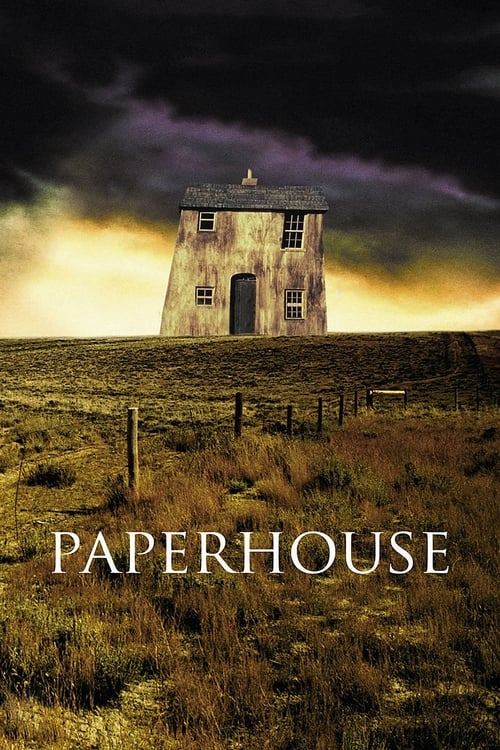
In the dream, Anna is in the paper house she had drawn, but it is now dark and foreboding. The walls seem to close in on her, and the once comforting environment has transformed into a nightmarish version of itself. She is pursued by the figure of the boy, Marc, who has become increasingly aggressive and threatening. His presence symbolizes the darker aspects of her psyche, reflecting her feelings of guilt and fear stemming from her real-life experiences, particularly her relationship with her father and her struggles with her own identity.
As Anna runs through the paper house, she encounters various elements from her life that have been distorted in this dream realm. The imagery is vivid and unsettling, with shadows looming and the atmosphere thick with tension. Anna's emotional state is one of desperation; she feels trapped and overwhelmed by the chaos around her.
In a pivotal moment, Anna confronts Marc directly. She realizes that to escape this nightmare, she must face her fears head-on. The confrontation is intense, filled with raw emotion as Anna expresses her pain and confusion. She tells Marc that she does not want to be afraid anymore, and in doing so, she begins to reclaim her power over the dream world.
As the confrontation escalates, Anna's determination grows. She starts to assert herself, pushing back against Marc's aggression. The dream world begins to shift as she takes control, and the paper house starts to dissolve around her. The once oppressive environment begins to lighten, and Anna feels a sense of liberation as she breaks free from the confines of her fears.
In the final moments of the film, Anna awakens in her bed, gasping for breath. The transition from the dream world to reality is jarring, but it is also cathartic. She has faced her demons and emerged stronger. The film closes with Anna looking out of her window, a sense of peace washing over her as she realizes that she has the power to shape her own reality.
The fate of the main characters is significant: Anna has triumphed over her fears, while Marc, who represented her internal struggles, is left behind in the dream world. The film leaves viewers with a sense of hope, emphasizing the importance of confronting one's fears and the resilience of the human spirit. Anna's journey reflects a coming-of-age narrative, where she learns to navigate the complexities of her emotions and the challenges of growing up.
Is there a post-credit scene?
The movie "Paperhouse," produced in 1988, does not have a post-credit scene. The film concludes with a poignant and emotional ending that wraps up the story of the young girl, Anna, and her experiences within the dream world she creates. After the climactic events in the dream, the film leaves viewers with a sense of resolution regarding Anna's journey and her relationship with her father, without any additional scenes or content after the credits. The focus remains on the themes of childhood, imagination, and the impact of dreams on reality, culminating in a reflective and bittersweet conclusion.
What is the significance of the drawing that Anna creates in the movie?
The drawing that Anna creates serves as a portal to a dream world where she can escape her troubled reality. It reflects her inner emotions and desires, allowing her to explore her fears and confront her feelings of isolation and loneliness.
How does Anna's relationship with her father influence her experiences in the dream world?
Anna's relationship with her father is strained and filled with tension, which deeply affects her psyche. His dismissive and often harsh demeanor contributes to her feelings of abandonment and fear, which manifest in the dream world as she encounters the character of Marc, who represents both her longing for connection and her fear of rejection.
What role does the character of Marc play in Anna's dream world?
Marc is a pivotal character in Anna's dream world, representing both a friend and a source of conflict. He embodies Anna's desire for companionship but also her fears, as he becomes increasingly aggressive and threatening, mirroring her internal struggles and the chaos in her waking life.
How does the setting of the paper house reflect Anna's emotional state?
The paper house is a fragile and unstable structure that symbolizes Anna's vulnerability and the precariousness of her mental state. As her emotional turmoil escalates, the house becomes more distorted and chaotic, mirroring her descent into fear and confusion.
What is the significance of the ending scene where Anna wakes up?
The ending scene where Anna wakes up signifies a moment of clarity and resolution. It represents her confrontation with her fears and the realization that she must face her reality rather than escape into her dreams. This awakening is both liberating and bittersweet, as it highlights her growth while acknowledging the pain she has endured.
Is this family friendly?
"Paperhouse," produced in 1988, is not considered family-friendly due to its darker themes and unsettling imagery. Here are some potentially objectionable or upsetting aspects that may affect children or sensitive viewers:
-
Nightmares and Disturbing Imagery: The film features intense dream sequences that can be frightening, including surreal and nightmarish visuals that may be unsettling for younger audiences.
-
Themes of Isolation and Loneliness: The protagonist, Anna, experiences feelings of isolation and abandonment, which may resonate deeply and evoke sadness or discomfort.
-
Death and Loss: The film touches on themes of mortality and the impact of death, which can be heavy and distressing for viewers, particularly children.
-
Violence and Injury: There are scenes that depict injury and violence, including a character being hurt, which may be alarming for sensitive viewers.
-
Emotional Turmoil: The characters experience significant emotional struggles, including fear, sadness, and confusion, which may be difficult for younger viewers to process.
Overall, the film's exploration of complex emotional themes and its unsettling atmosphere make it more suitable for mature audiences.






