










Popular
What motivates the character of Ralph to return home after being away?
How does the relationship between Ralph and his father evolve throughout the film?
What role does the character of Natalie play in Ralph's life during the film?
How does the film depict the impact of the Vietnam War on the characters?
What significant events occur during the summer that change the characters' lives?
Should I watch it?
Ask Your Own Question

What is the plot?
Sorry, we aren't able to watch and write up a full detailed plot yet. Check back in a few days.


What is the ending?
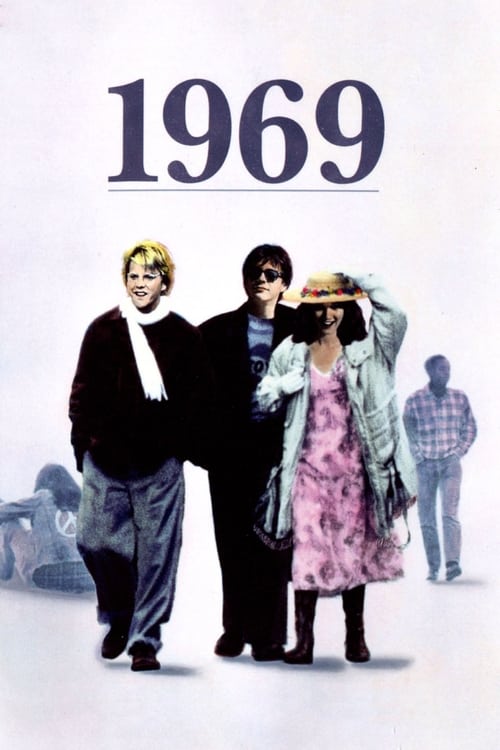
In the ending of the movie "1969," the characters face the consequences of their choices amid the backdrop of the Vietnam War. The film concludes with a sense of uncertainty and reflection on the impact of the era on their lives.
As the story unfolds towards its conclusion, we see the characters grappling with their futures. The main characters, including the idealistic and passionate characters, are confronted with the harsh realities of the world around them. The film ends with a poignant moment that encapsulates their struggles and the choices they have made.
In a more detailed narrative, the final scenes of "1969" begin with the characters, particularly the young men, feeling the weight of their decisions. The backdrop of the Vietnam War looms large, and the tension is palpable. The characters are at a crossroads, reflecting on their beliefs and the impact of the war on their lives.
As the story progresses, we see the character of Ralph, who has been deeply affected by the war and the loss of friends. He is torn between his desire to fight for what he believes in and the fear of what that might mean for his future. His internal conflict is evident as he grapples with the idea of enlisting, knowing the risks involved.
Meanwhile, the character of Linda, who has been a source of support for Ralph, faces her own challenges. She is caught between her love for Ralph and her desire for him to stay safe. Her emotional turmoil is highlighted in a scene where she expresses her fears about the war and its potential to change everything they hold dear.
As the climax approaches, the characters gather for a final confrontation with their realities. They discuss their plans, hopes, and fears, revealing their vulnerabilities. The dialogue is charged with emotion, showcasing their differing perspectives on the war and their futures. The weight of their choices hangs heavily in the air, and the audience can feel the tension as they navigate their relationships and the impending decisions they must make.
In the final moments, Ralph makes a choice that reflects his character's journey throughout the film. He decides to enlist, driven by a sense of duty and a desire to make a difference, despite the risks involved. This decision is met with mixed emotions from his friends and loved ones, particularly Linda, who is heartbroken but understands his motivations.
The film concludes with a sense of ambiguity. As Ralph prepares to leave, the characters share a moment of connection, underscoring the bonds they have formed despite the looming uncertainty of the future. The final shot captures the essence of the era, leaving the audience to ponder the impact of the choices made by the characters and the broader implications of the Vietnam War on their lives.
In summary, the fates of the main characters are intertwined with the themes of love, duty, and the harsh realities of war. Ralph's decision to enlist signifies a pivotal moment in his character arc, while Linda's emotional struggle highlights the personal costs of such choices. The ending leaves viewers with a lingering sense of reflection on the era and its impact on the lives of those who lived through it.
Is there a post-credit scene?
The movie "1969," produced in 1988, does not have a post-credit scene. The film concludes its narrative without any additional scenes after the credits roll. The story wraps up with the characters reflecting on their experiences during a tumultuous time in American history, focusing on themes of youth, rebellion, and the impact of the Vietnam War. The ending emphasizes the emotional journeys of the main characters, particularly their growth and the choices they must make as they face the realities of adulthood.
What motivates the character of Ralph to return home after being away?
Ralph, played by a young Kiefer Sutherland, is motivated to return home after feeling disillusioned with the Vietnam War and the societal changes happening around him. His desire to reconnect with his roots and the people he left behind, particularly his childhood friend, drives him back to his hometown.
How does the relationship between Ralph and his father evolve throughout the film?
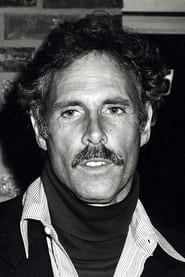
Ralph's relationship with his father, portrayed by Bruce Dern, is strained due to differing views on the Vietnam War and the generational gap. Initially, there is tension and misunderstanding, but as the story progresses, Ralph's experiences lead to a deeper understanding of his father's perspective, culminating in a poignant reconciliation.
What role does the character of Natalie play in Ralph's life during the film?
Natalie, played by Winona Ryder, serves as a symbol of innocence and the life Ralph left behind. Their relationship is complex; she represents both a romantic interest and a reminder of the carefree days of youth. As Ralph grapples with the harsh realities of adulthood and war, Natalie becomes a source of emotional support and a catalyst for his personal growth.
How does the film depict the impact of the Vietnam War on the characters?
The film vividly illustrates the impact of the Vietnam War through the experiences of Ralph and his friends. It showcases their struggles with trauma, disillusionment, and the societal divide created by the war. Characters grapple with their beliefs and the consequences of their choices, highlighting the emotional scars left by the conflict.
What significant events occur during the summer that change the characters' lives?
During the summer, several significant events unfold that alter the characters' trajectories. Ralph's return home coincides with protests against the Vietnam War, personal conflicts with friends, and a tragic incident that forces the group to confront the realities of their choices. These events serve as a catalyst for growth, reflection, and ultimately, a shift in their perspectives on life and war.
Is this family friendly?
The movie "1969," produced in 1988, is not particularly family-friendly and contains several elements that may be objectionable or upsetting for children or sensitive viewers. Here are some aspects to consider:
-
War Themes: The film is set against the backdrop of the Vietnam War, which is depicted through the experiences of the characters. This includes discussions about the war's impact on soldiers and their families, which may be distressing.
-
Mature Language: There are instances of strong language throughout the film, which may not be suitable for younger audiences.
-
Drug Use: The film portrays drug use, reflecting the counterculture of the 1960s. This may be concerning for parents and sensitive viewers.
-
Emotional Turmoil: Characters experience significant emotional struggles, including grief, loss, and disillusionment, which could be heavy for younger viewers to process.
-
Violence: There are scenes that depict violence and the harsh realities of war, which may be upsetting.
-
Romantic Relationships: The film includes mature themes related to romantic relationships, including infidelity and the complexities of love during tumultuous times.
These elements contribute to a tone that may not be appropriate for all audiences, particularly children.








