
















Popular
What challenges did Charlie Parker face in his early career?
How did Charlie Parker's relationship with his mother influence his life and music?
What role did addiction play in Charlie Parker's life and career?
How did the film portray the relationship between Charlie Parker and Dizzy Gillespie?
What impact did Charlie Parker's music have on the jazz genre as depicted in the film?
Should I watch it?
Ask Your Own Question

What is the plot?
Sorry, we aren't able to watch and write up a full detailed plot yet. Check back in a few days.




What is the ending?
In the ending of the movie "Bird," Charlie Parker, the legendary jazz saxophonist, struggles with his personal demons and addiction. After a tumultuous life filled with highs and lows, he ultimately succumbs to his drug addiction, leading to his tragic death. The film concludes with a poignant reflection on his legacy and the impact of his music.
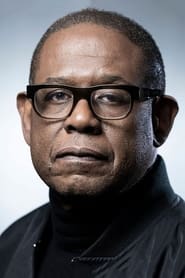
As the film approaches its conclusion, we see Charlie Parker, portrayed by Forest Whitaker, grappling with the consequences of his choices. The scenes shift to a dimly lit room where Parker is alone, surrounded by the remnants of his once-great career. His physical appearance has deteriorated; he is gaunt and weary, a stark contrast to the vibrant musician he once was. The camera captures the shadows on his face, emphasizing the toll that addiction has taken on him.
In a series of flashbacks, we witness pivotal moments from Parker's life, including his rise to fame and the relationships that shaped him. His interactions with fellow musicians, such as Dizzy Gillespie and his tumultuous romance with Chan Parker, are interspersed with scenes of his increasing isolation. The emotional weight of these memories hangs heavily in the air, illustrating the duality of his genius and his struggles.
As the narrative unfolds, we see Parker's final performance, a haunting rendition of "Lover Man." The music is filled with both beauty and sorrow, reflecting his internal conflict. The audience is captivated, yet there is an underlying sense of tragedy as they witness a man on the brink of collapse. The camera pans over the audience, capturing their admiration and concern, a testament to Parker's profound impact on those around him.
In the final moments, Parker is shown in a hospital bed, frail and unresponsive. His friends and fellow musicians gather around him, their faces etched with worry and sadness. The atmosphere is heavy with unspoken words, as they reflect on the man who brought so much joy through his music but was ultimately consumed by his demons. The film closes with a poignant shot of Parker's saxophone, a symbol of his legacy, as the screen fades to black.
The fate of each main character is intertwined with Parker's tragic end. Chan Parker, who has been a constant presence in his life, is left to grapple with the loss of the man she loved, while Dizzy Gillespie and other musicians are left to remember the brilliance of Parker's talent and the cost of his addiction. The film leaves viewers with a sense of melancholy, highlighting the fragility of genius and the personal battles that often accompany it.
Is there a post-credit scene?
The movie "Bird," directed by Clint Eastwood and released in 1988, does not have a post-credit scene. The film concludes with a poignant ending that reflects on the life and struggles of the legendary jazz musician Charlie Parker, portrayed by Forest Whitaker. The narrative wraps up with a focus on Parker's legacy and the impact of his music, leaving the audience with a sense of reflection rather than additional scenes or content after the credits. The film's emotional weight and thematic depth are encapsulated in its final moments, emphasizing Parker's genius and the personal demons he faced throughout his life.
What challenges did Charlie Parker face in his early career?
In the early stages of his career, Charlie Parker faced significant challenges, including racial discrimination and a lack of acceptance in the predominantly white jazz scene. He struggled to find gigs and often faced rejection from clubs and venues. Additionally, his personal life was tumultuous, marked by struggles with addiction, which further complicated his professional aspirations.
How did Charlie Parker's relationship with his mother influence his life and music?
Charlie Parker's relationship with his mother, who was a strong and supportive figure in his life, had a profound impact on his music. She encouraged his musical talents from a young age, fostering his passion for jazz. However, as Parker's career progressed and he became more consumed by his addiction, the strain in their relationship grew, leading to feelings of guilt and loss that permeated his music.
What role did addiction play in Charlie Parker's life and career?
Addiction played a central role in Charlie Parker's life, significantly affecting both his personal relationships and his career. His struggles with heroin and alcohol led to erratic behavior, health issues, and a decline in his professional opportunities. Despite these challenges, his addiction also fueled his creativity, leading to some of his most innovative and emotional performances, but ultimately contributed to his tragic downfall.
How did the film portray the relationship between Charlie Parker and Dizzy Gillespie?
The film portrays the relationship between Charlie Parker and Dizzy Gillespie as one of mutual respect and artistic collaboration. Their friendship is depicted through scenes of them playing together, showcasing their chemistry and shared passion for jazz. However, it also highlights the tensions that arose from Parker's struggles with addiction, which sometimes put a strain on their partnership, as Gillespie tried to support Parker while also dealing with the consequences of his friend's choices.
What impact did Charlie Parker's music have on the jazz genre as depicted in the film?
The film illustrates Charlie Parker's revolutionary impact on the jazz genre, showcasing how his innovative style and improvisational skills transformed the music landscape. Through various performances, the film highlights his contributions to bebop, emphasizing his complex melodies and harmonies that challenged traditional jazz norms. His influence is depicted not only through his own performances but also through the reactions of other musicians who were inspired by his groundbreaking work.
Is this family friendly?
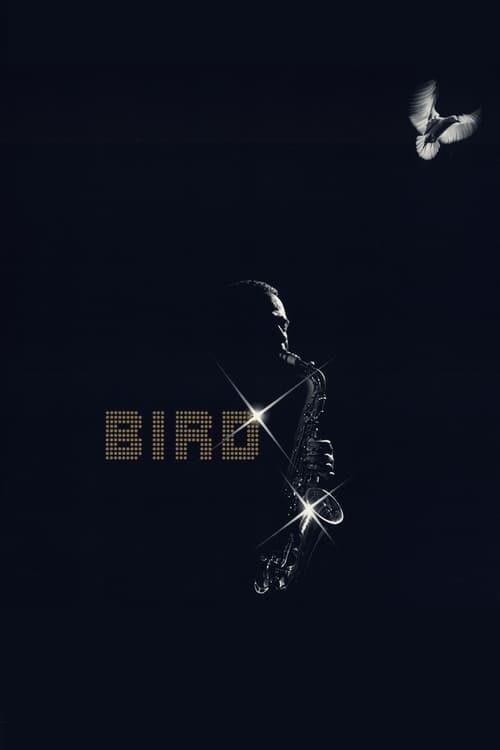
"Bird," directed by Clint Eastwood and released in 1988, is a biographical film that chronicles the life of jazz saxophonist Charlie Parker. While it is a compelling portrayal of Parker's genius and struggles, it contains several elements that may not be suitable for children or sensitive viewers.
-
Substance Abuse: The film depicts Charlie Parker's struggles with drug addiction, including scenes of drug use and the impact it has on his life and relationships.
-
Violence: There are moments of violence, including physical altercations that reflect the tumultuous nature of Parker's life and the jazz scene during his time.
-
Adult Themes: The film explores complex adult relationships, including infidelity and the emotional turmoil that accompanies Parker's personal life.
-
Emotional Turmoil: The narrative delves into themes of depression, loneliness, and the pressures of fame, which may be distressing for some viewers.
-
Language: There are instances of strong language that may not be appropriate for younger audiences.
Overall, while "Bird" is a significant artistic work, its mature themes and content make it more suitable for adult viewers.







