


















Popular
What motivates Francesco to renounce his wealthy lifestyle and embrace a life of poverty?
How does Francesco's relationship with his father influence his journey?
What role do Francesco's followers play in his transformation?
How does Francesco's encounter with the lepers impact his character development?
What challenges does Francesco face from the Church regarding his beliefs and practices?
Should I watch it?
Ask Your Own Question

What is the plot?
Sorry, we aren't able to watch and write up a full detailed plot yet. Check back in a few days.
More Movies Like This
Browse All Movies →




What is the ending?
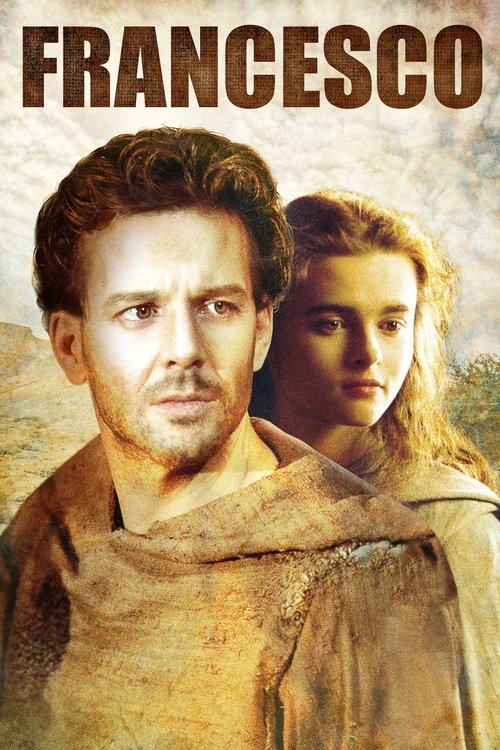
In the ending of the movie "Francesco," St. Francis of Assisi, portrayed by Mickey Rourke, faces his final moments as he embraces his faith and the life he has chosen. He experiences a vision of Christ, which solidifies his commitment to his spiritual path. The film concludes with his death, surrounded by his loyal followers, who mourn his passing but also celebrate his legacy of love and humility.
As the final scenes unfold, we see St. Francis, now frail and weakened by illness, lying on a simple bed in a rustic room. The atmosphere is heavy with a sense of peace and acceptance. His followers, including Brother Leo, gather around him, their faces etched with concern and sorrow. St. Francis, despite his physical suffering, radiates a serene joy, embodying the very essence of his teachings about love, humility, and devotion to God.
In a poignant moment, St. Francis speaks softly to his brothers, urging them to continue spreading the message of love and compassion that he has dedicated his life to. His voice, though weak, carries a profound strength, reflecting his unwavering faith. He encourages them to embrace the poor and the outcast, reminding them that true wealth lies in spiritual richness rather than material possessions.
As he drifts in and out of consciousness, St. Francis experiences a vision of Christ, which brings a radiant smile to his face. This moment signifies his deep connection to his faith and the fulfillment of his spiritual journey. The vision is ethereal, filled with light, and it seems to lift him momentarily from his earthly suffering, showcasing the profound impact of his devotion.
The scene shifts to the outside world, where the sun begins to set, casting a golden hue over the landscape. The beauty of nature, which St. Francis cherished, serves as a backdrop to his final moments. His followers, witnessing his transformation, are filled with a mix of grief and inspiration. They understand that while they are losing their beloved leader, his spirit and teachings will live on through them.
As St. Francis takes his last breath, the camera captures the tears of his followers, particularly Brother Leo, who has been a steadfast companion throughout Francis's journey. Leo's face reflects a deep sense of loss, yet also a profound gratitude for having known such a remarkable man. The film closes with a shot of St. Francis's peaceful face, surrounded by the beauty of nature, symbolizing his return to the divine.
In the aftermath of his death, the film emphasizes the impact of St. Francis's life on his followers and the world. They are left with a renewed sense of purpose, determined to carry forward his message of love, humility, and service to others. The legacy of St. Francis becomes a beacon of hope and inspiration, encouraging them to live out the values he embodied.
The fate of the main characters is intertwined with this conclusion. St. Francis, having fulfilled his mission, finds peace in death, while Brother Leo and the other followers are left to navigate their lives in the light of his teachings. They are tasked with continuing the work of spreading love and compassion, ensuring that St. Francis's spirit endures long after his physical presence has faded. The film closes on a note of hope, emphasizing the enduring power of faith and the importance of living a life dedicated to serving others.
Is there a post-credit scene?
The movie "Francesco," produced in 1989, does not contain a post-credit scene. The film concludes with a poignant and reflective ending that encapsulates the life and legacy of Saint Francis of Assisi, focusing on his deep connection to nature, his commitment to poverty, and his spiritual journey. The narrative wraps up without any additional scenes or content after the credits, leaving the audience to contemplate the themes presented throughout the film.
What motivates Francesco to renounce his wealthy lifestyle and embrace a life of poverty?
Francesco, originally a wealthy young man, is deeply affected by a series of personal experiences that lead him to question the values of materialism and social status. His encounters with lepers and the suffering of the poor awaken a profound sense of compassion within him. This internal struggle culminates in a pivotal moment where he discards his lavish clothing, symbolizing his rejection of wealth and his commitment to a life of humility and service.
How does Francesco's relationship with his father influence his journey?
Francesco's relationship with his father, Pietro, is strained due to their conflicting values. Pietro, a wealthy merchant, desires for Francesco to follow in his footsteps and maintain the family's status. This pressure creates a deep emotional conflict for Francesco, who feels torn between familial expectations and his spiritual calling. His father's disappointment and anger serve as a catalyst for Francesco's resolve to pursue a life dedicated to God and the poor, further isolating him from his previous life.
What role do Francesco's followers play in his transformation?
Francesco's followers, including characters like Brother Leo, play a crucial role in his transformation. They are drawn to his vision of a life devoted to poverty and service, and their loyalty provides him with the support needed to establish the Franciscan Order. Their interactions are filled with moments of camaraderie, shared faith, and the challenges of living out their ideals, which help to solidify Francesco's mission and deepen his commitment to his spiritual path.
How does Francesco's encounter with the lepers impact his character development?
Francesco's encounter with the lepers is a turning point in his character development. Initially repulsed by their condition, he experiences a profound moment of empathy that transforms his perspective on suffering and humanity. This encounter ignites his desire to serve the marginalized and leads him to embrace a life of radical compassion. The emotional turmoil he faces during this encounter highlights his internal conflict and ultimately solidifies his commitment to live among the poor.
What challenges does Francesco face from the Church regarding his beliefs and practices?
Francesco faces significant challenges from the Church as he advocates for a return to the simplicity of Christ's teachings. His radical approach to poverty and his rejection of wealth attract scrutiny and opposition from church authorities who are concerned about maintaining traditional power structures. This tension is depicted through confrontations with figures like Cardinal Ugolino, who question Francesco's methods and intentions, forcing him to navigate the complexities of faith, authority, and reform.
Is this family friendly?
The movie "Francesco," produced in 1989, is a biographical drama that explores the life of Saint Francis of Assisi. While it is generally suitable for a family audience, there are a few potentially objectionable or upsetting scenes that may affect children or sensitive viewers:
-
Depictions of Poverty: The film portrays the stark realities of poverty, including scenes of suffering and destitution that may be distressing for younger viewers.
-
Religious Conflict: There are moments that depict the tension between different religious groups, which may be confusing or upsetting for some children.
-
Violence and Persecution: The film includes scenes of violence and persecution against those who follow Francis's teachings, which could be unsettling.
-
Death and Suffering: There are references to death, illness, and the suffering of both humans and animals, which may evoke strong emotions.
-
Mental Struggles: The character of Francis experiences moments of deep internal conflict and emotional turmoil, which may be intense for sensitive viewers.
Overall, while the film carries a message of compassion and love, these elements may require parental guidance for younger audiences.







