
















Popular
What is the significance of Karen Blixen's relationship with Denys Finch Hatton?
How does Karen Blixen's experience in Africa shape her character?
What role does the character of Farah play in the story?
What challenges does Karen face while running her coffee plantation?
How does the character of Baron Bror Blixen impact Karen's life?
Should I watch it?
Ask Your Own Question

What is the plot?
Sorry, we aren't able to watch and write up a full detailed plot yet. Check back in a few days.
More Movies Like This
Browse All Movies →




What is the ending?
In the ending of "Out of Africa," Karen Blixen receives news of Denys Finch Hatton's death in a plane crash. Heartbroken, she reflects on her life in Africa and her love for Denys. The film concludes with her returning to Denmark, where she finds solace in her memories of Africa, despite the pain of loss.
As the film approaches its conclusion, we find Karen Blixen, portrayed by Meryl Streep, deeply entrenched in her emotional turmoil. The lush landscapes of Africa, once a source of inspiration and beauty, now feel heavy with the weight of her memories. The scene shifts to a somber atmosphere as she receives the devastating news of Denys Finch Hatton's, played by Robert Redford, tragic death in a plane crash. The moment is marked by a profound silence, emphasizing the gravity of her loss.
Karen's heartache is palpable as she processes the news. She stands alone in her home, surrounded by the vastness of the African plains, which now seem to echo her sorrow. The camera captures her contemplative gaze, reflecting on the moments they shared--the laughter, the adventures, and the deep connection they forged amidst the wild beauty of the land. The vibrant colors of the African landscape contrast sharply with her internal grief, symbolizing the joy that has now turned to pain.
In the following scenes, Karen is seen packing her belongings, preparing to leave Africa behind. Each item she touches evokes memories of her life there, from her time running the coffee plantation to her encounters with the local tribes and her friendships with other expatriates. The act of packing becomes a ritual of remembrance, as she carefully considers what to take with her and what to leave behind. The emotional weight of her decision is evident; she is not just leaving a place but a significant chapter of her life.
As she boards the plane to return to Denmark, the camera lingers on her face, capturing a mixture of sadness and acceptance. The flight symbolizes her departure from the physical landscape of Africa, but her heart remains tethered to the memories of Denys and the life they shared. The plane ascends into the sky, and the vast African landscape recedes beneath her, a poignant farewell to a land that shaped her identity.
The final scenes depict Karen back in Denmark, where she walks through the familiar yet distant landscapes of her homeland. The contrast between the stark, cold environment of Denmark and the warm, vibrant Africa serves to highlight her sense of loss. She reflects on her experiences, the love she had for Denys, and the indelible mark that Africa has left on her soul. The film closes with a sense of bittersweet nostalgia, as Karen acknowledges that while she has left Africa, it will forever remain a part of her.
In terms of character fates, Karen Blixen returns to Denmark, carrying the weight of her memories and the love she lost. Denys Finch Hatton's life is tragically cut short, leaving behind a legacy of adventure and passion that profoundly impacted Karen. The film concludes with a sense of unresolved longing, encapsulating the complexities of love, loss, and the enduring connection to a place that shaped their lives.
Is there a post-credit scene?
The movie "Out of Africa," produced in 1985, does not have a post-credit scene. The film concludes with a poignant ending that encapsulates the themes of love, loss, and the beauty of the African landscape. After the tumultuous events of Karen Blixen's life, including her relationship with Denys Finch Hatton and the challenges she faces in her pursuit of independence and identity, the film ends on a reflective note. The final scenes depict Karen's return to Denmark, where she reflects on her time in Africa, leaving the audience with a sense of nostalgia and the enduring impact of her experiences. The credits roll without any additional scenes or content following them.
What is the significance of Karen Blixen's relationship with Denys Finch Hatton?
Karen Blixen, played by Meryl Streep, develops a deep and passionate relationship with Denys Finch Hatton, portrayed by Robert Redford. Their bond is characterized by a profound emotional connection, yet it is also marked by Denys's free-spirited nature and reluctance to commit fully. Karen is drawn to Denys's adventurous spirit and charm, which contrasts with her more traditional views on love and relationships. As their romance unfolds, Karen grapples with her feelings of love and the pain of Denys's desire for independence, ultimately leading her to confront her own needs and desires.
How does Karen Blixen's experience in Africa shape her character?
Karen Blixen's time in Africa profoundly transforms her character. Initially arriving as a naive and romantic woman, she faces numerous challenges, including the harsh realities of running a coffee plantation and the complexities of colonial life. As she navigates personal losses, such as the death of her friend and the dissolution of her marriage, Karen grows resilient and self-reliant. Her interactions with the local Kikuyu people and her deepening understanding of the land foster a sense of belonging and purpose, ultimately leading her to embrace her identity as a writer and a woman of strength.
What role does the character of Farah play in the story?
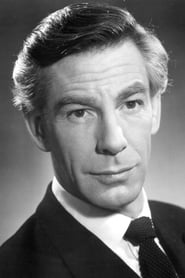
Farah, played by Michael Kitchen, serves as Karen Blixen's loyal servant and confidant. His character is pivotal in illustrating the complexities of colonial relationships. Farah is not only a practical support for Karen in managing the plantation but also a bridge between her and the local culture. His loyalty and understanding of the land provide Karen with insights that help her navigate her challenges. Farah's presence highlights the themes of friendship and loyalty, as he remains steadfastly by Karen's side through her trials, embodying the deep connections that can form across cultural divides.
What challenges does Karen face while running her coffee plantation?
Karen Blixen faces numerous challenges while managing her coffee plantation in Kenya. From the outset, she struggles with the harsh climate and the difficulties of cultivating coffee, which is compounded by financial issues and the complexities of colonial agriculture. Additionally, she encounters resistance from local laborers and the realities of colonial exploitation. The emotional toll of her failing marriage to Baron Bror Blixen and the subsequent loss of her plantation further complicate her efforts. These challenges force Karen to adapt, learn, and ultimately grow stronger, shaping her into a resilient figure who learns to navigate both the land and her own heart.
How does the character of Baron Bror Blixen impact Karen's life?
Baron Bror Blixen, portrayed by Klaus Maria Brandauer, significantly impacts Karen's life through their tumultuous marriage. Initially, Bror's charm and adventurous spirit attract Karen, but as their relationship unfolds, his infidelity and irresponsible behavior create emotional turmoil for her. His lack of commitment and eventual abandonment leave Karen feeling isolated and betrayed. This relationship serves as a catalyst for Karen's personal growth, pushing her to seek independence and self-discovery in the face of adversity. Bror's character embodies the complexities of love and loss, ultimately shaping Karen's journey toward finding her own identity in Africa.
Is this family friendly?
"Out of Africa," produced in 1985, is generally considered suitable for older children and adults, but it does contain some scenes and themes that may be objectionable or upsetting for younger viewers or sensitive individuals. Here are some aspects to consider:
-
Death and Loss: The film deals with themes of mortality, including the death of animals and humans, which may be distressing for some viewers.
-
Animal Violence: There are scenes depicting hunting and the killing of animals, which may be upsetting for animal lovers or younger audiences.
-
Romantic Relationships: The film explores complex romantic relationships, including infidelity and emotional turmoil, which may be difficult for younger viewers to understand.
-
Cultural Conflicts: The portrayal of colonialism and the impact on native cultures may raise questions that could be challenging for children to grasp fully.
-
Emotional Struggles: Characters experience significant emotional pain, including loneliness, heartbreak, and existential reflection, which may resonate deeply and could be heavy for sensitive viewers.
These elements contribute to the film's mature themes, making it more appropriate for older audiences who can engage with its emotional depth and historical context.









