
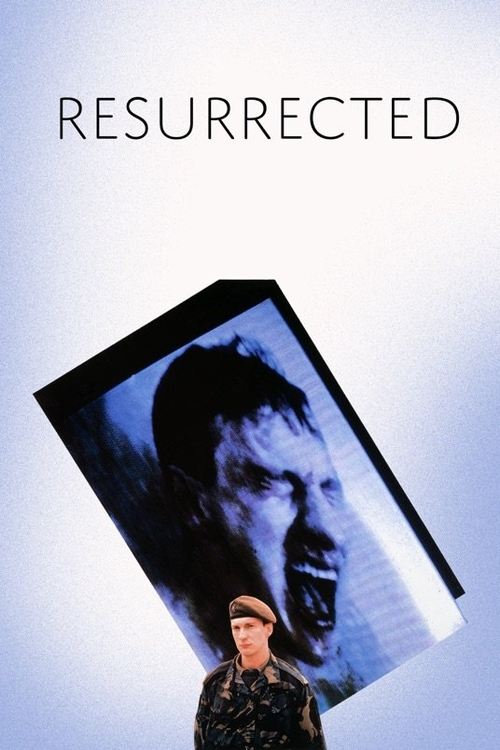




















Popular
What happens to the main character, David, after he is declared dead?
How does David's family react to his return?
What internal conflicts does David face after coming back?
How does David's relationship with his girlfriend, Sarah, evolve throughout the film?
What role does the theme of identity play in David's character development?
Should I watch it?
Ask Your Own Question

What is the plot?
Sorry, we aren't able to watch and write up a full detailed plot yet. Check back in a few days.






What is the ending?
In the ending of "Resurrected," the protagonist, a soldier named David, returns home after being presumed dead in combat. He struggles to reintegrate into civilian life, haunted by his experiences and the trauma of war. Ultimately, he finds himself isolated and unable to connect with those around him, leading to a tragic conclusion where he takes his own life.
As the film approaches its conclusion, the narrative unfolds with David's return to his hometown. The scene is set with a somber atmosphere; the streets are quiet, and the air is thick with unspoken tension. David, played by David Thewlis, steps off the bus, his face a mask of confusion and pain. He is greeted by his mother, who is overjoyed yet bewildered by his return. Her embrace is warm, but David's body language reveals his discomfort. He stands stiffly, unable to reciprocate her joy, his eyes reflecting a deep-seated turmoil.
In the following scenes, David attempts to reconnect with his family and friends, but the emotional distance is palpable. His mother, filled with hope, tries to engage him in conversation, but David's responses are curt and distant. He often stares off into the distance, lost in memories of the war, the sounds of gunfire echoing in his mind. The juxtaposition of his mother's warmth and his coldness creates a heartbreaking tension.
As days pass, David's struggle becomes more pronounced. He visits the local pub, where he encounters old friends who celebrate his return. However, their joviality only serves to deepen his sense of alienation. He sits at the bar, a ghost among the living, as laughter and camaraderie swirl around him. The camera captures his haunted expression, a stark contrast to the carefree atmosphere. He tries to engage, but his words feel heavy and out of place, revealing his internal conflict.
The pivotal moment occurs when David visits the cemetery where his comrades are buried. The scene is somber, with dark clouds looming overhead. He kneels at a grave, his face contorted in grief and guilt. The weight of his experiences crashes down on him, and he begins to weep, overwhelmed by the loss of his friends and the horrors he witnessed. This moment of vulnerability starkly contrasts with his earlier stoicism, showcasing the depth of his emotional pain.
In the final scenes, David's mental state deteriorates. He becomes increasingly withdrawn, isolating himself from his family. His mother, desperate to reach him, tries to understand his silence, but David remains trapped in his own mind. The film captures the heartbreaking reality of his struggle, as he wanders through the house, a shadow of the person he once was.
The climax arrives when David, in a moment of despair, decides to take his own life. The scene is hauntingly quiet, with the camera lingering on his face, reflecting a mix of resignation and sorrow. He leaves a note, a final farewell that encapsulates his pain and inability to cope with the world around him. The film closes with a shot of his mother discovering the note, her face crumpling in anguish as she realizes the depth of her son's suffering.
In the end, David's fate is tragic; he is unable to escape the demons of his past, and his death serves as a poignant reminder of the lasting impact of war on the human psyche. His mother is left to grapple with the loss, embodying the pain of those left behind, while the film leaves viewers with a haunting reflection on the cost of conflict and the struggles of reintegration.
Is there a post-credit scene?
The movie "Resurrected," produced in 1989, does not contain a post-credit scene. The film concludes its narrative without any additional scenes or content after the credits roll. The story focuses on the emotional and psychological aftermath of a soldier's return from the dead, exploring themes of trauma, identity, and the impact of war on the human psyche. The ending leaves viewers with a sense of unresolved tension, reflecting the protagonist's struggles rather than providing a traditional cinematic closure or additional scenes.
What happens to the main character, David, after he is declared dead?
After David is declared dead in the war, he mysteriously reappears, leading to confusion and disbelief among his family and friends. His return is marked by a sense of disconnection, as he struggles to reintegrate into his previous life.
How does David's family react to his return?
David's family experiences a mix of joy and confusion upon his return. His mother is initially overjoyed, but as the reality of his changed demeanor sets in, she becomes increasingly concerned about his mental state and the emotional distance that has developed.
What internal conflicts does David face after coming back?
David grapples with feelings of alienation and trauma from his experiences in the war. He feels detached from his former life and struggles to communicate his feelings, leading to a profound sense of isolation.
How does David's relationship with his girlfriend, Sarah, evolve throughout the film?
David's relationship with Sarah becomes strained after his return. Initially, she is hopeful and supportive, but as David's emotional struggles become apparent, she feels helpless and frustrated, leading to tension and misunderstandings between them.
What role does the theme of identity play in David's character development?
David's struggle with his identity is central to his character arc. After his return, he is haunted by the memories of war and feels like a different person, leading him to question who he truly is and how he fits into the lives of those who once knew him.
Is this family friendly?
"Resurrected," produced in 1989, is not considered family-friendly due to its mature themes and intense subject matter. The film deals with the psychological and emotional aftermath of war, particularly focusing on the experiences of a soldier who is presumed dead and then returns home.
Potentially objectionable or upsetting aspects include:
-
War Trauma: The film explores the psychological impact of war, including flashbacks and emotional distress, which may be difficult for children or sensitive viewers to process.
-
Death and Grief: There are scenes that depict the mourning process and the emotional turmoil of families dealing with loss, which can be heavy and upsetting.
-
Violence: While not excessively graphic, there are references to violence and the realities of combat that may be disturbing.
-
Mental Health Struggles: The protagonist grapples with feelings of alienation and confusion upon returning home, which may resonate deeply with viewers who have experienced similar issues.
-
Emotional Isolation: The film portrays the protagonist's struggle to reconnect with family and society, highlighting feelings of loneliness and despair.
These elements contribute to a somber tone that may not be suitable for younger audiences or those sensitive to such themes.









