









Popular
What is the significance of the character Oderus Urungus in the film?
How does the film depict the band's formation and early struggles?
What role does the character Sleazy P. Martini play in the story?
How does the film address the themes of loss and legacy after Dave Brockie's death?
What are some of the notable performances or visual elements showcased in the film?
Should I watch it?
Ask Your Own Question

What is the plot?
Sorry, we aren't able to watch and write up a full detailed plot yet. Check back in a few days.
More Movies Like This
Browse All Movies →







What is the ending?
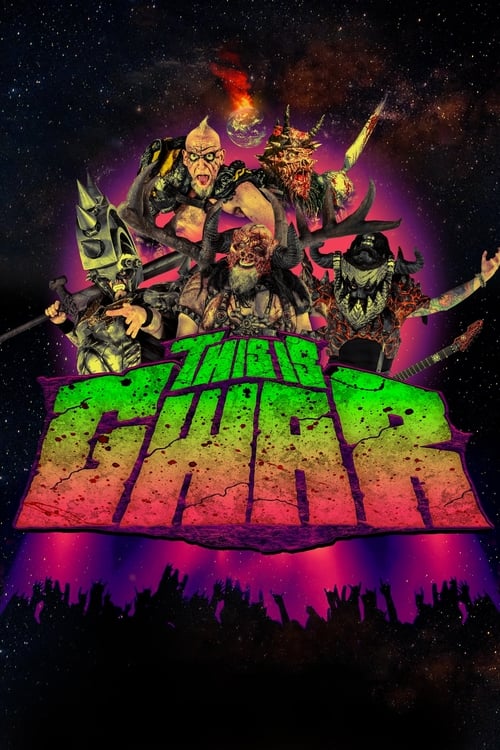
In the ending of "This Is GWAR," the band reflects on their legacy and the impact of their late frontman, Dave Brockie, also known as Oderus Urungus. The film culminates in a celebration of their music and the community they have built, showcasing their resilience and dedication to their art.
As the film progresses towards its conclusion, the narrative shifts to a poignant moment where the surviving members of GWAR gather to honor Brockie's memory. They share stories and reminisce about their experiences, highlighting the bond they formed through their shared passion for music and performance. The film emphasizes the importance of legacy, friendship, and the power of creativity in the face of loss.
The final scenes feature a tribute performance, where the band plays in honor of Brockie, showcasing their signature theatrical style. The energy is electric, filled with both joy and sorrow as they celebrate their past while acknowledging the void left by their fallen comrade. The film closes with a sense of hope and continuity, as the band vows to carry on the spirit of GWAR, ensuring that Brockie's influence will live on through their music.
In the expanded narrative of the ending:
As the film nears its conclusion, the atmosphere is heavy with emotion. The surviving members of GWAR gather in a dimly lit rehearsal space, surrounded by memorabilia and remnants of their past performances. The camera captures their somber expressions, each member reflecting on the absence of Dave Brockie, the charismatic frontman who brought life to their outrageous performances as Oderus Urungus.
The scene shifts to a montage of past concerts, interspersed with clips of Brockie's larger-than-life persona. Laughter and tears intermingle as the band members share their favorite memories of him, recalling his humor, creativity, and the way he brought the group together. Each story reveals the deep bond they formed, not just as bandmates but as a family united by their love for music and the absurdity of their art.
As they prepare for a tribute performance, the mood shifts from somber to celebratory. The band members don their iconic costumes, a ritual that brings back the energy and spirit of GWAR. The camera captures the intricate details of their outfits, the vibrant colors, and the elaborate props that have become synonymous with their performances. There's a palpable sense of anticipation in the air as they take the stage, ready to honor Brockie in the way they know best.
The performance begins, and the energy in the venue is electric. The audience, a mix of die-hard fans and newcomers, is swept up in the spectacle. The band plays a medley of their greatest hits, each song resonating with the crowd. The visuals are a chaotic blend of theatricality, with blood-splattering props and outrageous antics that have defined GWAR's legacy. The camera pans over the audience, capturing their ecstatic reactions, a testament to the impact of the band's music and performance.
As the final song concludes, the band members gather at the front of the stage, arms around each other, and raise their instruments in tribute. The lights dim, and a spotlight shines on an empty mic stand adorned with a crown, symbolizing Brockie's enduring presence. The moment is both a celebration of their past and a poignant reminder of their loss.
In the closing scenes, the band members express their commitment to continue making music, vowing to keep Brockie's spirit alive. They share a final toast, their faces illuminated by the warm glow of the stage lights, filled with a mix of hope and determination. The film ends with a powerful message about resilience, creativity, and the unbreakable bonds of friendship, leaving the audience with a sense of closure and inspiration. Each member of GWAR, while carrying the weight of their loss, is determined to forge ahead, ensuring that the legacy of Dave Brockie and the spirit of GWAR will never fade.
Is there a post-credit scene?
In the movie "This Is GWAR," there is indeed a post-credit scene that adds a humorous and fitting touch to the film's overall tone. After the credits roll, viewers are treated to a brief segment featuring the members of GWAR in their full costume regalia. They engage in a lighthearted and chaotic interaction, showcasing their signature blend of absurdity and humor.
In this scene, the band members are seen preparing for a fictional "GWAR Academy," where they comically attempt to teach new recruits the art of performance and stage presence. The absurdity escalates as they demonstrate over-the-top antics, such as exaggerated stage dives and ridiculous weapon handling, all while maintaining their outrageous personas. The scene captures the essence of GWAR's theatricality and the camaraderie among the band members, leaving the audience with a sense of joy and laughter.
This post-credit moment serves as a playful reminder of the band's unique identity and their commitment to entertaining fans, reinforcing the film's celebration of their legacy and the spirit of their performances.
What is the significance of the character Oderus Urungus in the film?
Oderus Urungus, portrayed by Dave Brockie, is the iconic frontman of GWAR and serves as a central figure in the film. His larger-than-life persona embodies the band's outrageous and satirical approach to music and performance. The film explores his impact on the band and the legacy he left behind, showcasing his flamboyant character and the emotional weight of his absence after his death.
How does the film depict the band's formation and early struggles?
The film chronicles the origins of GWAR, detailing how the band was formed in the early 1980s by a group of art students in Richmond, Virginia. It highlights their initial challenges, including financial difficulties and the struggle to find their unique identity in the music scene. The narrative captures the raw energy and creativity that fueled their rise, showcasing early performances and the development of their theatrical style.
What role does the character Sleazy P. Martini play in the story?
Sleazy P. Martini, played by actor and musician Don Drakulich, serves as the band's manager and a key figure in their rise to fame. His character is depicted as both a shrewd businessman and a comedic presence, navigating the chaotic world of rock and roll while trying to keep the band focused on their outrageous performances. His interactions with the band highlight the tension between artistic vision and commercial success.
How does the film address the themes of loss and legacy after Dave Brockie's death?
The film poignantly addresses the themes of loss and legacy through the lens of the band's grief following the death of Dave Brockie, who played Oderus Urungus. It features interviews with band members reflecting on their memories of Brockie, showcasing their emotional struggles and the impact of his absence on their lives and music. The narrative weaves in moments of tribute and remembrance, emphasizing the enduring influence of his character.
What are some of the notable performances or visual elements showcased in the film?
The film is rich with vibrant visuals and theatrical performances that are hallmarks of GWAR's style. It includes clips from their infamous live shows, featuring elaborate costumes, grotesque props, and over-the-top stage antics. These performances are interspersed with behind-the-scenes footage, revealing the creative process and the dedication of the band members to their craft, creating a visceral experience that captures the essence of GWAR's unique artistry.
Is this family friendly?
"This Is GWAR," produced in 2021, is a documentary that delves into the history and impact of the heavy metal band GWAR. While it provides an insightful look into the band's artistic expression and cultural significance, it is not considered family-friendly due to several potentially objectionable aspects.
-
Graphic Imagery: The film features scenes of the band's notorious stage performances, which include grotesque costumes, blood, and other bodily fluids, often used as part of their theatrical shows.
-
Strong Language: There is frequent use of profanity throughout the documentary, reflecting the band's irreverent and rebellious spirit.
-
Violent Themes: The film discusses the band's satirical take on violence and horror, which may be unsettling for younger viewers or those sensitive to such themes.
-
Adult Humor: The humor employed by GWAR often includes sexual innuendos and dark comedy, which may not be appropriate for children.
-
Substance Use: There are references to drug and alcohol use, which may be concerning for sensitive audiences.
Overall, the film captures the essence of GWAR's unique and provocative style, but its content is best suited for mature audiences who can appreciate the band's artistic intentions.