















Popular
What are the key moments in Daft Punk's early career as depicted in the film?
How does the film portray the relationship between Thomas Bangalter and Guy-Manuel de Homem-Christo?
What role does the concept of anonymity play in the film?
What are some significant collaborations featured in the documentary?
How does the film depict Daft Punk's impact on the music industry?
Should I watch it?
Ask Your Own Question

What is the plot?
Sorry, we aren't able to watch and write up a full detailed plot yet. Check back in a few days.
More Movies Like This
Browse All Movies →




What is the ending?
At the end of "Daft Punk Unchained," the documentary explores the duo's journey and their impact on music and culture. It concludes with a reflection on their legacy, showcasing their decision to step back from the public eye while leaving a lasting influence on the music industry.
As the film approaches its conclusion, it revisits key moments in Daft Punk's career, emphasizing their innovative approach to music and visual artistry. The narrative highlights their collaborations, particularly with artists like Pharrell Williams and Nile Rodgers, showcasing the creative synergy that defined their work. The film also touches on their iconic performances, including the memorable Coachella set, which solidified their status as pioneers in electronic music.
In the final scenes, the documentary captures the essence of Daft Punk's philosophy of anonymity and the importance of their music over their personal identities. The film ends with a montage of their most significant moments, leaving viewers with a sense of nostalgia and appreciation for the duo's contributions to the music world. The final images of their helmets symbolize their enduring legacy, as they step away from the spotlight, content with their impact on the industry.
As the credits roll, the audience is left to reflect on the journey of Thomas Bangalter and Guy-Manuel de Homem-Christo, the men behind the masks, who have chosen to remain enigmatic while changing the landscape of music forever.
As the documentary "Daft Punk Unchained" nears its conclusion, the narrative begins to weave together the threads of Daft Punk's illustrious career, culminating in a poignant reflection on their legacy.
The scene transitions to a montage of their most iconic performances, with vibrant visuals of their elaborate stage setups and the electrifying energy of their live shows. The audience is shown clips from their groundbreaking Coachella performance, where the duo, clad in their signature robot helmets, captivated thousands with their unique blend of house music and visual artistry. The camera captures the ecstatic faces of fans, their bodies moving in sync with the pulsating beats, illustrating the profound connection Daft Punk forged with their audience.
Next, the film delves into their collaborations, particularly highlighting the partnership with Pharrell Williams on the hit "Get Lucky." The scene shifts to behind-the-scenes footage of the recording process, showcasing the camaraderie and creative synergy between the artists. Pharrell expresses his admiration for Daft Punk, emphasizing how their innovative sound has influenced countless musicians. This moment serves to underline the duo's role as mentors and pioneers in the music industry, inspiring a new generation of artists.
As the documentary progresses, it reflects on the duo's decision to maintain their anonymity. The film juxtaposes interviews with Thomas Bangalter and Guy-Manuel de Homem-Christo, where they articulate their belief that the music should take precedence over their personal identities. The camera lingers on their helmets, symbolizing their commitment to this philosophy. The emotional weight of their choice is palpable, as they express a desire to let their art speak for itself, free from the distractions of fame.
In the final moments, the film presents a series of clips showcasing the impact of Daft Punk's music on popular culture. From fashion to film, their influence is evident, and the documentary captures the essence of their legacy. The screen fills with images of fans, artists, and cultural icons who have been inspired by Daft Punk, creating a tapestry of their far-reaching impact.
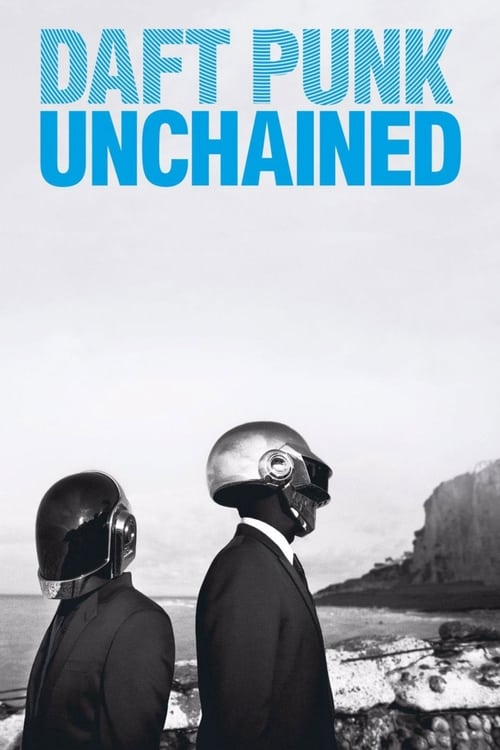
As the credits begin to roll, the final scene features a serene shot of the duo's helmets against a backdrop of a starry sky. This imagery evokes a sense of closure, as it symbolizes their departure from the public eye while leaving behind a monumental legacy. The audience is left with a feeling of nostalgia, reflecting on the journey of Thomas and Guy-Manuel, who, despite stepping back, have forever changed the landscape of music.
In this concluding segment, the fate of the main characters is clear: Thomas Bangalter and Guy-Manuel de Homem-Christo choose to embrace their anonymity, stepping away from the limelight while their music continues to resonate with fans around the world. Their decision encapsulates the essence of their artistic vision, leaving a lasting imprint on the music industry and beyond.
Is there a post-credit scene?
"Daft Punk Unchained," a documentary released in 2015, does not feature a post-credit scene. The film primarily focuses on the journey of the iconic French electronic music duo, Daft Punk, exploring their rise to fame, their innovative approach to music, and their enigmatic personas. The documentary includes interviews with collaborators, friends, and industry figures, providing insights into their creative process and the impact of their work. After the credits roll, there are no additional scenes or content that extend the narrative or provide further commentary. The film concludes with a sense of closure, reflecting on the legacy of Daft Punk without any additional material.
What are the key moments in Daft Punk's early career as depicted in the film?
The film highlights key moments such as the duo's formation in 1993, their early performances, and the release of their debut album 'Homework' in 1997. It captures their initial struggles and the excitement surrounding their breakthrough single 'Da Funk', showcasing their unique sound and the impact it had on the electronic music scene.
How does the film portray the relationship between Thomas Bangalter and Guy-Manuel de Homem-Christo?
The film delves into the deep friendship and creative partnership between Thomas and Guy-Manuel. It illustrates their collaborative process, their shared vision for music, and how their contrasting personalities complement each other. Emotional interviews reveal their mutual respect and the challenges they face in maintaining their artistic integrity.
What role does the concept of anonymity play in the film?
The film explores Daft Punk's choice to wear helmets and maintain anonymity, emphasizing how this decision shapes their public persona and artistic identity. It discusses their desire to separate their personal lives from their music, allowing the art to take center stage and creating a mystique that captivates fans.
What are some significant collaborations featured in the documentary?
The documentary highlights several significant collaborations, including their work with artists like Pharrell Williams on 'Get Lucky' and Nile Rodgers. It showcases the creative synergy that arises from these partnerships and how they contribute to Daft Punk's evolving sound and global appeal.
How does the film depict Daft Punk's impact on the music industry?
The film illustrates Daft Punk's transformative influence on the music industry, showcasing their innovative approach to music production and live performances. It features testimonials from various artists and industry figures who discuss how Daft Punk's work has inspired a new generation of musicians and changed the landscape of electronic music.
Is this family friendly?
"Daft Punk Unchained," produced in 2015, is a documentary that explores the lives and careers of the iconic electronic music duo, Daft Punk. While the film primarily focuses on their music, artistry, and influence, there are a few aspects that may be considered objectionable or upsetting for children or sensitive viewers.
-
Mature Themes: The documentary touches on themes of fame, identity, and the pressures of the music industry, which may be complex for younger audiences to fully grasp.
-
Visuals of Nightlife and Parties: There are scenes depicting nightlife, club culture, and parties that may include suggestive imagery or behaviors that some parents might find inappropriate for children.
-
Language: There are instances of strong language used in interviews and discussions about the music industry, which may not be suitable for all viewers.
-
Emotional Struggles: The film delves into the emotional challenges faced by the artists, including feelings of isolation and the burden of fame, which could be heavy for sensitive viewers.
Overall, while "Daft Punk Unchained" is not explicitly designed for children, it is primarily a documentary that celebrates music and creativity, and parental discretion is advised based on the viewer's sensitivity to the aforementioned themes.









