
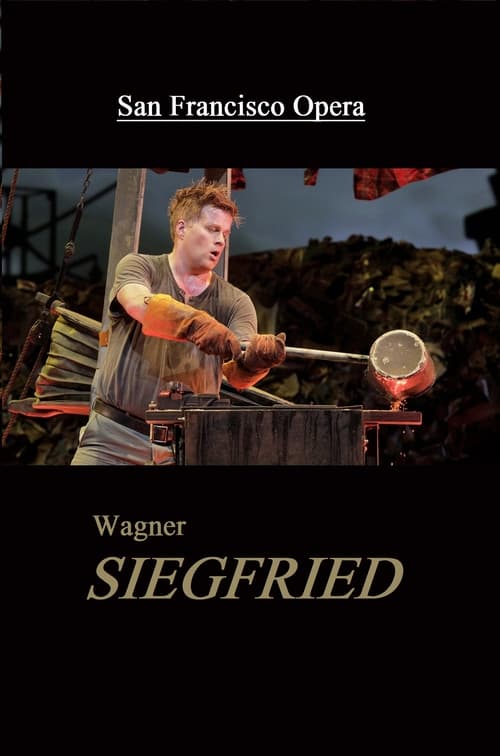




Popular
What motivates Siegfried to forge his own sword, Nothung, and how does this act shape his character?
How does Siegfried's encounter with the dragon Fafner unfold, and what does it reveal about his character?
What is the significance of the relationship between Siegfried and the forest bird, and how does it influence his journey?
How does the character of Mime influence Siegfried's development throughout the story?
What role does the character of Brünnhilde play in Siegfried's journey, and how does their relationship evolve?
Should I watch it?
Ask Your Own Question

What is the plot?
Sorry, we aren't able to watch and write up a full detailed plot yet. Check back in a few days.
More Movies Like This
Browse All Movies →






What is the ending?
In the ending of "Siegfried" as produced by the San Francisco Opera in 2018, Siegfried confronts the dragon Fafner and ultimately slays him, claiming the ring of power. He then awakens Brünnhilde from her enchanted sleep, and they share a moment of love and connection. However, the story foreshadows impending doom as the curse of the ring looms over them.
As the opera concludes, the fate of the characters is intertwined with the themes of love, power, and tragedy, setting the stage for the events that will unfold in the subsequent parts of Wagner's "Der Ring des Nibelungen."
As the final act of "Siegfried" unfolds, the atmosphere is thick with anticipation and tension. The scene opens in a dark, foreboding forest where Siegfried, the young hero, is on a quest to confront the dragon Fafner. The air is charged with the scent of earth and the sounds of nature, but there is an underlying sense of danger. Siegfried, filled with youthful bravado and determination, approaches the lair of the dragon, his heart racing with both excitement and trepidation.
In a dramatic confrontation, Siegfried faces Fafner, who is coiled around his hoard of gold, the cursed ring glinting ominously in the dim light. The dragon, a massive and fearsome creature, bellows and lunges at Siegfried, but the hero, wielding his sword Nothung, stands resolute. The battle is fierce, with Siegfried dodging the dragon's fiery breath and striking with precision. The clash of metal against scales echoes through the forest, a testament to Siegfried's bravery and skill. Finally, with a powerful thrust, he plunges Nothung into Fafner's heart, and the dragon collapses, lifeless.
As the dust settles, Siegfried approaches the dragon's hoard, his eyes drawn to the shimmering ring. He takes it, feeling the weight of its power and the curse that accompanies it. This moment is pivotal, as it marks the beginning of his connection to the ring's tragic legacy.
With the dragon defeated, Siegfried continues his journey, eventually reaching the rocky outcrop where Brünnhilde lies in her enchanted sleep. The scene shifts to a serene yet haunting landscape, where the sun casts a golden hue over the sleeping figure of Brünnhilde, surrounded by a ring of fire. Siegfried, filled with a mix of awe and love, calls out to her, his voice echoing with longing. He bravely crosses the flames, undeterred by the danger, driven by his desire to awaken her.
As he reaches Brünnhilde, he gently kisses her, and she stirs from her slumber. The moment is tender and electric, filled with the promise of love and connection. Brünnhilde awakens, her eyes filled with wonder and recognition as she sees Siegfried. They share a passionate embrace, their love blossoming in the aftermath of battle and sacrifice. This union symbolizes hope and the triumph of love over adversity.
However, the ending is tinged with foreboding. The ring, now in Siegfried's possession, carries with it the weight of a curse that has doomed many before him. As they revel in their newfound love, the audience is left with a sense of impending tragedy. The characters are blissfully unaware of the dark fate that awaits them, setting the stage for the conflicts and consequences that will unfold in the subsequent operas of Wagner's cycle.
In this final act, Siegfried's fate is intertwined with the ring, which promises power but also destruction. Brünnhilde, now awakened, is filled with love for Siegfried but is also bound to the tragic fate that the ring brings. The opera closes with a sense of both hope and dread, encapsulating the duality of love and power, and the inevitable consequences of their choices.
Is there a post-credit scene?
The 2018 production of "Siegfried" by the San Francisco Opera does not include a post-credit scene. The opera concludes with a powerful climax, where Siegfried, having forged the sword Nothung and awakened the sleeping Brünnhilde, sets the stage for the unfolding events in the final opera of Wagner's "Der Ring des Nibelungen." The focus remains on the emotional and dramatic resolution of the characters' arcs, particularly Siegfried's triumph and the implications of his actions, rather than any additional scenes after the curtain falls. The production emphasizes the themes of love, sacrifice, and destiny, leaving the audience with a sense of anticipation for the concluding chapter of the saga.
What motivates Siegfried to forge his own sword, Nothung, and how does this act shape his character?
Siegfried is driven by a deep desire to prove himself and to forge his own identity, separate from the legacy of his father, Siegmund. The act of forging Nothung symbolizes his quest for strength and independence. As he hammers the metal, he channels his emotions--anger, determination, and a yearning for recognition. This moment is pivotal as it marks his transition from a boy into a hero, setting the stage for his future encounters.
How does Siegfried's encounter with the dragon Fafner unfold, and what does it reveal about his character?
Siegfried's encounter with Fafner is a climactic moment that showcases his bravery and naivety. As he approaches the dragon's lair, he is filled with a mix of excitement and fear. The battle is intense, with Siegfried displaying both skill and courage. When he ultimately slays Fafner, it reveals his impulsive nature and his belief in his invincibility. This victory not only cements his status as a hero but also foreshadows the challenges he will face as he grapples with the consequences of his actions.
What is the significance of the relationship between Siegfried and the forest bird, and how does it influence his journey?
The forest bird serves as a guide and a symbol of wisdom for Siegfried. When the bird first appears, it encourages him to seek out the dragon and reveals the existence of the treasure guarded by Fafner. This interaction highlights Siegfried's innocence and his connection to nature. The bird's advice propels him forward on his quest, emphasizing the theme of guidance and the importance of listening to one's instincts. It also foreshadows the deeper connections he will form with other characters later in his journey.
How does the character of Mime influence Siegfried's development throughout the story?
Mime, Siegfried's foster father, embodies both a mentor and an antagonist role. He is driven by greed and a desire to control Siegfried, hoping to use him to reclaim the Ring. Mime's manipulative nature contrasts sharply with Siegfried's straightforwardness and honesty. As Siegfried grows, he begins to see through Mime's deceit, which leads to a pivotal moment of rebellion against his foster father. This conflict is crucial in Siegfried's development, as it forces him to assert his independence and reject the toxic influence of Mime.
What role does the character of Brünnhilde play in Siegfried's journey, and how does their relationship evolve?
Brünnhilde is a central figure in Siegfried's journey, representing both love and destiny. Initially, she is a powerful figure, a Valkyrie who has been punished and put into a deep sleep. Siegfried's awakening of Brünnhilde is a transformative moment for both characters. Their relationship evolves from one of curiosity and admiration to a deep, passionate bond. As they connect, Brünnhilde becomes a source of strength for Siegfried, and their love symbolizes the intertwining of fate and free will. This relationship ultimately shapes Siegfried's understanding of love, sacrifice, and the burdens of heroism.
Is this family friendly?
The 2018 production of "Siegfried" by the San Francisco Opera contains several elements that may be considered objectionable or upsetting for children or sensitive viewers. Here are some aspects to consider:
-
Violence and Conflict: The opera features scenes of combat and conflict, including battles and confrontations that may be intense or frightening for younger audiences.
-
Death and Betrayal: Themes of death, betrayal, and loss are prevalent throughout the story, which may evoke strong emotional responses.
-
Mythical Creatures: The presence of dragons and other mythical beings can be both awe-inspiring and potentially frightening, depending on the viewer's sensitivity to such imagery.
-
Complex Themes: The narrative explores complex themes such as power, greed, and the consequences of one's actions, which may be difficult for younger viewers to fully grasp.
-
Emotional Turmoil: Characters experience significant emotional struggles, including feelings of isolation, longing, and despair, which may resonate deeply and evoke empathy or sadness.
These elements contribute to a rich and dramatic narrative but may not be suitable for all children or sensitive individuals.








