
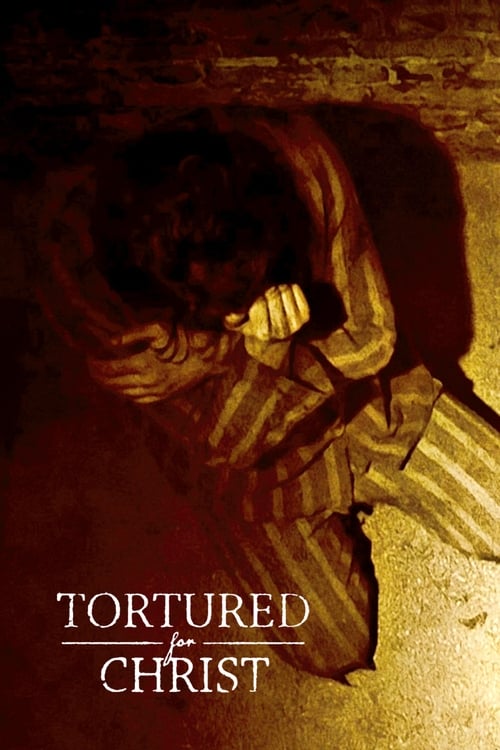










Popular
What motivates Richard Wurmbrand to continue his faith despite the torture he endures?
How does the film depict the relationship between Richard Wurmbrand and his wife, Sabina?
What specific forms of torture does Richard Wurmbrand endure during his imprisonment?
How does Richard Wurmbrand's faith influence his interactions with his captors?
What role does the underground church play in the story of Tortured for Christ?
Should I watch it?
Ask Your Own Question

What is the plot?
Sorry, we aren't able to watch and write up a full detailed plot yet. Check back in a few days.









What is the ending?
In the ending of "Tortured for Christ," Richard Wurmbrand is released from prison after enduring years of torture for his faith. He reunites with his wife, Sabina, and they continue their mission to spread the message of Christianity despite the dangers they face. The film concludes with a powerful message about faith, resilience, and the importance of standing up for one's beliefs.
As the film approaches its conclusion, the atmosphere is heavy with tension and despair. Richard Wurmbrand, portrayed with deep emotional intensity, is shown in a dimly lit prison cell, his body battered and bruised from the relentless torture inflicted upon him by the Romanian authorities. The guards, cold and unyielding, continue their brutal methods, attempting to break his spirit. Richard, however, remains steadfast in his faith, often reflecting on the love of God and the strength it provides him in his darkest moments.
Scene by scene, the narrative unfolds. Richard is subjected to various forms of torture, including physical beatings and psychological torment. The camera captures his pain, but also his unwavering resolve. He often recalls memories of his wife, Sabina, and their son, which serve as a source of hope and motivation. The audience witnesses his internal struggle as he grapples with the fear of losing his family and the desire to remain true to his beliefs.
As the story progresses, the film shifts to Sabina, who is shown anxiously waiting for news of Richard. Her emotional turmoil is palpable; she is torn between hope and despair. The scenes depict her prayers and her determination to support Richard, even from afar. The bond between them is illustrated through flashbacks of their life together, filled with love and shared faith.
Eventually, after years of suffering, Richard is unexpectedly released from prison. The moment is charged with emotion as he steps out into the light, a free man but forever changed by his experiences. The reunion with Sabina is heart-wrenching; they embrace tightly, tears streaming down their faces. The joy of their reunion is mixed with the sorrow of all they have endured.
In the final scenes, Richard and Sabina are shown speaking to groups of people, sharing their story and the message of Christ. They are determined to continue their mission, despite the risks involved. Richard's resolve is stronger than ever; he speaks passionately about the importance of faith and the need to stand up against oppression. The film closes with a powerful montage of their continued work, emphasizing the resilience of the human spirit and the enduring power of faith.
The fate of the main characters is one of survival and continued commitment to their beliefs. Richard and Sabina, though scarred by their experiences, emerge as symbols of hope and courage. Their story serves as a testament to the strength found in faith, even in the face of unimaginable adversity.
Is there a post-credit scene?
The movie "Tortured for Christ," produced in 2018, does not have a post-credit scene. The film concludes with a powerful message about faith, perseverance, and the sacrifices made by Christians under persecution. It focuses on the true story of Richard Wurmbrand, who endured imprisonment and torture for his beliefs in communist Romania. The ending emphasizes the importance of standing firm in one's faith despite adversity, leaving the audience with a sense of hope and inspiration rather than a scene that would typically follow the credits.
What motivates Richard Wurmbrand to continue his faith despite the torture he endures?
Richard Wurmbrand's motivation to continue his faith despite the brutal torture he faces stems from his deep love for Christ and his unwavering belief in the power of faith. Throughout the film, he reflects on his commitment to spreading the message of Christianity, even in the face of extreme adversity. His internal struggle is palpable as he grapples with the pain inflicted upon him, yet he finds solace in prayer and the hope of salvation for himself and others.
How does the film depict the relationship between Richard Wurmbrand and his wife, Sabina?
The film portrays the relationship between Richard and Sabina Wurmbrand as one of deep love and mutual support, even amidst the turmoil of persecution. Sabina is shown as a strong and resilient partner who shares Richard's faith. Their bond is tested when Richard is imprisoned, but Sabina's unwavering belief in his mission and her own faith provide a source of strength for both characters. The emotional scenes between them highlight their commitment to each other and to their shared beliefs.
What specific forms of torture does Richard Wurmbrand endure during his imprisonment?
During his imprisonment, Richard Wurmbrand endures various forms of torture that are both physical and psychological. The film graphically depicts beatings, solitary confinement, and the use of psychological manipulation by his captors. He is subjected to extreme cold, starvation, and the constant threat of death, all designed to break his spirit. These harrowing experiences are portrayed with intense emotional weight, showcasing his resilience and the depth of his faith.
How does Richard Wurmbrand's faith influence his interactions with his captors?
Richard Wurmbrand's faith profoundly influences his interactions with his captors, as he often responds to their cruelty with compassion and forgiveness. He attempts to share the message of Christ with them, even in the face of their brutality. This aspect of his character highlights his belief in the transformative power of love and faith, as he sees his captors not just as enemies but as souls in need of salvation. His internal conflict and determination to remain true to his beliefs are central to these interactions.
What role does the underground church play in the story of Tortured for Christ?
The underground church plays a crucial role in 'Tortured for Christ,' serving as a symbol of hope and resilience for persecuted Christians. The film illustrates how this clandestine community provides support to those like Richard Wurmbrand who are facing oppression. It showcases the courage of believers who gather in secret to worship and share their faith, emphasizing the strength found in unity and the commitment to their beliefs despite the risks involved.
Is this family friendly?
"Tortured for Christ," produced in 2018, is a film that deals with heavy themes of persecution, faith, and suffering. While it carries a powerful message about resilience and hope, it may not be suitable for younger audiences or sensitive viewers due to several potentially objectionable or upsetting aspects:
-
Depictions of Torture: The film includes graphic representations of physical and psychological torture endured by the main character, Richard Wurmbrand, which can be distressing.
-
Violence: There are scenes that portray violence against individuals for their beliefs, including beatings and other forms of abuse.
-
Emotional Distress: The emotional turmoil experienced by characters, including fear, despair, and hopelessness, may be intense for some viewers.
-
Themes of Persecution: The overarching theme of religious persecution can be heavy and may provoke strong emotional reactions.
-
Imprisonment: Scenes depicting imprisonment and the harsh conditions faced by prisoners can be unsettling.
These elements contribute to the film's serious tone and may not be appropriate for children or those who are sensitive to such content.








