











Popular
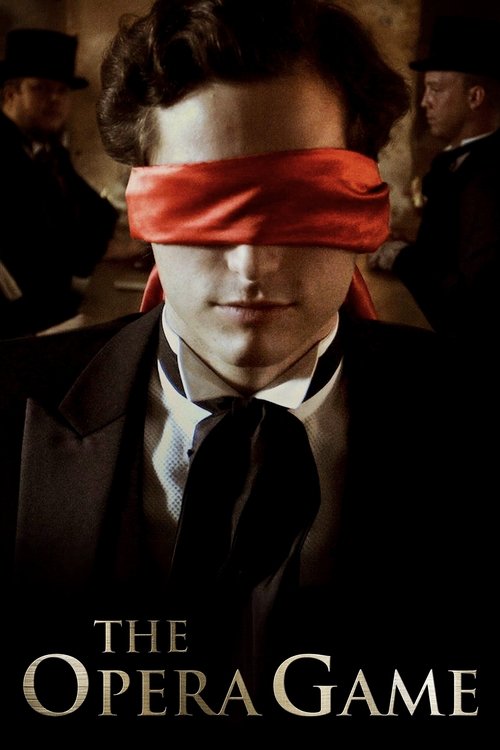
What is the significance of the chess game played at the opera?
How does Paul Morphy's character develop throughout the film?
What role does the opera setting play in the story?
Who are the key rivals that Paul Morphy faces, and how do they challenge him?
What emotional struggles does Paul Morphy encounter in his personal life?
Should I watch it?
Ask Your Own Question

What is the plot?
Sorry, we aren't able to watch and write up a full detailed plot yet. Check back in a few days.
More Movies Like This
Browse All Movies →



What is the ending?
In the ending of "The Opera Game," the tension culminates in a dramatic chess match between the protagonist, Paul, and his rival, the formidable chess master, who has been a constant source of challenge and inspiration. As the game unfolds, Paul faces not only the strategic complexities of chess but also his own internal struggles and the weight of his past decisions. Ultimately, Paul emerges victorious, but the victory is bittersweet as it forces him to confront the sacrifices he has made along the way. The film concludes with a sense of resolution, as Paul finds a new path forward, embracing both his love for chess and the relationships he has built.
As the final act of "The Opera Game" unfolds, the atmosphere is thick with anticipation. The scene opens in a dimly lit chess hall, where the audience buzzes with excitement. Paul, the protagonist, sits across from his rival, a seasoned chess master known for his ruthless tactics. The camera captures the intensity in Paul's eyes, reflecting his determination and the weight of the moment. He recalls the journey that brought him here--the struggles, the losses, and the friendships forged through the game.
The match begins, and the chess pieces are set in motion. Each move is deliberate, and the tension in the room escalates. Paul's hands tremble slightly as he contemplates his strategy, the stakes higher than ever. Flashbacks intersperse the match, revealing moments from his past: the encouragement from his mentor, the sacrifices made by his family, and the friendships that have shaped his identity. These memories fuel his resolve, reminding him of why he plays.
As the game progresses, the rival master counters Paul's strategies with calculated precision. The audience watches in rapt attention, the silence punctuated only by the sound of pieces being moved. Paul's internal conflict surfaces; he grapples with self-doubt and the fear of failure. Yet, with each passing moment, he draws strength from the support of his friends who are present, their silent encouragement bolstering his confidence.
In a pivotal moment, Paul makes a bold move that surprises everyone, including his opponent. The rival's expression shifts from confidence to concern, and the tension in the room reaches a fever pitch. Paul's heart races as he realizes he has the upper hand, but he knows that one misstep could cost him everything. The camera zooms in on his face, capturing the mix of fear and exhilaration.
As the final moves unfold, the rival master attempts to regain control, but Paul remains focused, channeling all his energy into the game. The climax arrives when Paul makes the decisive move that leads to checkmate. The audience erupts in applause, but Paul's expression is one of mixed emotions. He has won, yet the victory feels heavy with the realization of what he has sacrificed along the way.
In the aftermath of the match, Paul stands to shake hands with his rival, a gesture of respect that signifies the end of their conflict. The rival, though defeated, acknowledges Paul's skill and determination, hinting at a newfound respect between them. Paul's friends rush to congratulate him, their joy infectious, but he takes a moment to reflect on the journey that brought him here.
The film closes with Paul stepping outside into the fresh air, the weight of the match lifting as he embraces the support of his friends. He understands that while the game of chess is a significant part of his life, it is the relationships and experiences that truly define him. The screen fades to black, leaving the audience with a sense of hope and the promise of new beginnings for Paul as he moves forward, ready to embrace whatever comes next.
Is there a post-credit scene?
The movie "The Opera Game," produced in 2019, does not feature a post-credit scene. The film concludes its narrative without any additional scenes or content after the credits roll. The story wraps up with a focus on the main themes and character arcs, leaving the audience with a sense of closure regarding the events that transpired throughout the film.
What is the significance of the chess game played at the opera?
The chess game at the opera serves as a pivotal moment in the film, symbolizing the strategic battles both on and off the chessboard. It highlights the intense rivalry between the main characters, particularly between Paul Morphy and his opponents, showcasing their intellect and the high stakes involved in their competition.
How does Paul Morphy's character develop throughout the film?
Paul Morphy begins as a confident and talented chess prodigy, but as the story unfolds, he faces personal and professional challenges that test his resolve. His interactions with other characters, including his mentor and rivals, reveal his vulnerabilities and the pressures of living up to his reputation, leading to a deeper understanding of his motivations and desires.
What role does the opera setting play in the story?
The opera setting is not just a backdrop but a character in itself, representing the cultural elite and the high society that Morphy navigates. The lavish performances contrast with the tension of the chess matches, emphasizing the duality of art and competition, and how Morphy's life intertwines with both worlds.
Who are the key rivals that Paul Morphy faces, and how do they challenge him?
Morphy faces several key rivals, including the formidable chess player Howard Staunton. Each rival presents unique challenges, testing Morphy's skills and strategies. Their confrontations are not only about chess but also reflect their differing philosophies on the game and life, pushing Morphy to evolve as a player and a person.
What emotional struggles does Paul Morphy encounter in his personal life?
Throughout the film, Morphy grapples with the pressures of fame, the expectations of his family, and the loneliness that comes with being a chess prodigy. His emotional struggles are depicted through his relationships, particularly with his family and friends, as he seeks to balance his passion for chess with the desire for personal connection and fulfillment.
Is this family friendly?
"The Opera Game," produced in 2019, is a film that revolves around the intense world of chess, focusing on the legendary match between chess prodigy Bobby Fischer and Russian champion Boris Spassky. While the film primarily centers on the game of chess, it does contain some elements that may be considered objectionable or upsetting for children or sensitive viewers.
-
Tension and Conflict: The film portrays intense rivalries and psychological warfare between the players, which may create a stressful atmosphere.
-
Emotional Struggles: Characters experience significant emotional turmoil, including anxiety and paranoia, particularly Bobby Fischer, which may be distressing for some viewers.
-
Historical Context: The film touches on themes of Cold War tensions, which may include references to political strife and the pressure of national pride.
-
Mature Themes: There are discussions of mental health issues, particularly related to Fischer's character, which may be heavy for younger audiences.
-
Dramatic Moments: The film includes scenes of high stakes and personal sacrifice that may evoke strong emotions, such as frustration and despair.
Overall, while "The Opera Game" is primarily focused on chess and its strategic elements, the emotional depth and historical context may not be suitable for all children or sensitive viewers.








