







Popular
In Jamojaya, why does James fire his father as his manager at the beginning of the film?
What role does James’s brother Jaya’s death play in the story of Jamojaya?
Who is James’s father in Jamojaya, and why is he important to the story?
What happens when James starts working with the U.S. label in Jamojaya?
How does Jamojaya depict the relationship between James and his father across the film?
Should I watch it?
Ask Your Own Question

What is the plot?
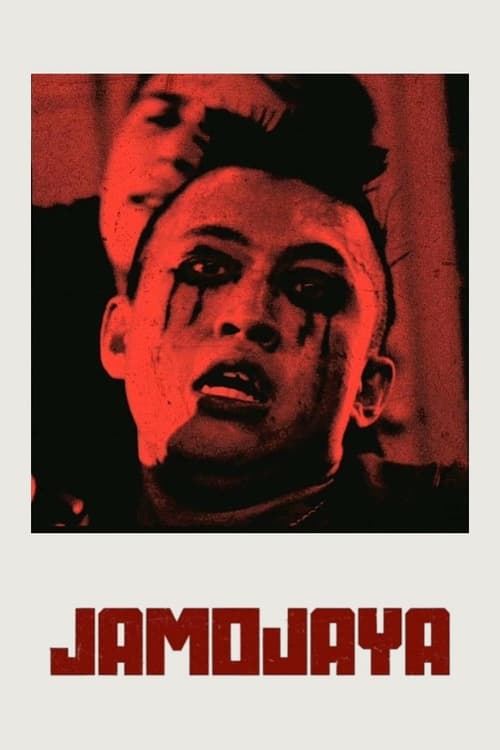
Jamojaya opens in the charged, artificial calm of the music industry machine, where James, a young Indonesian rapper played by Brian "Rich Brian" Imanuel, is already far beyond the life his family once knew. He has been signed by a major American record label and is brought to Hawaii, to a private resort owned or controlled by the label, where he is expected to work on a new album under the terms of the deal. The setting itself feels like a gilded trap: bright sunlight, ocean views, and luxury surroundings that should signal freedom, yet every detail suggests control. James is not there as an equal partner in his own career so much as a product being managed, polished, and repositioned for a bigger market.
At the center of the tension is Joyo, James's father and longtime manager, played by Yayu Unru. Joyo has guided James from the start, and the film makes clear that their relationship is not simply professional but deeply personal, shaped by grief, dependence, and unresolved family history. Yet the new label deal immediately pushes Joyo aside in favor of Shannon, the label's polished American manager, played by Kate Lyn Sheil. The shift is not presented as a quiet administrative change; it is a demotion that cuts straight into the father-son bond. Joyo is sidelined by the industry, while James is asked to accept a version of success that comes with a new manager, a new image, and a new set of loyalties.
The film's emotional weight comes from the fact that James does not face a simple choice between good and bad. He is torn between fame, fortune, and artistic independence on one side, and loyalty to his father on the other. The label offers him a larger platform, but it also asks him to surrender control. Joyo, meanwhile, cannot accept being discarded, not only because he believes he knows how to guide his son, but because letting go would mean confronting a grief he has never resolved. The Sundance description reveals that Joyo has long told his sons a folk tale about a prince turned into a banyan tree and a brother who becomes a bird searching for him, only to lose the ability to understand the tree's words and fly away forever. That story becomes the emotional key to the film: love persists, but recognition fails, and people keep searching each other without ever fully meeting where they need to meet.
James's fame is built on a loss the film refuses to let stay buried. The Sundance material identifies Jaya, James's brother, as having died on Malaysia Airlines Flight 370, a catastrophe that hangs over the family like a second, unhealed wound. That loss helps explain why Joyo clings so fiercely to James and why James is so desperate to define himself on his own terms. Joyo is not only a father; he is a mourning parent whose attachment has hardened into an inability to release the son who remains. James, in turn, is not only a son; he is a young artist who feels trapped inside a role his father and the industry both want to preserve. One keeps holding on because he cannot bear another disappearance, while the other pushes away because he cannot bear to remain only a continuation of someone else's dream.
The confrontation with Shannon and the label's authority is the film's first major pressure point. According to the available synopsis, the label has already made its decision: Joyo is out, Shannon is in. That replacement creates an atmosphere of humiliation that James cannot easily ignore, because his father's exclusion is also a public statement about who is considered professional, credible, and marketable. James is forced to stand between two forms of power, and neither side is fully on his side. The label wants access to his talent, while Joyo wants to preserve the family bond and the old way of working. James's new contract promises success, but it also turns the narrative of his life into something that can be bought, adjusted, and repackaged. The film's dramatic engine is the slow realization that the more James ascends, the less room there is for the people who helped build him.
What makes Jamojaya especially painful is that the father-son conflict is not just about career control; it is about identity. The movie is described as a meditation on father-son relationships and grief, and the recurring banyan tree story gives that meditation an almost mythic shape. The banyan tree's roots sprout downward from its branches, grow into the earth, and create an expanding canopy, a living image of family extension, entanglement, and survival. But in the tale Joyo tells, the bird searching for the lost brother cannot understand the prince's words once he is transformed, so the search becomes endless and incomplete. That detail reflects the way Joyo and James inhabit the same emotional world without fully speaking the same language. They love each other, but they are also separated by grief, ambition, and the violence of being pulled into different definitions of success.
As James tries to work within the new arrangement, the tension between him and Joyo becomes unavoidable. James is expected to behave like a modern global star, independent and professionally compliant, yet every step away from his father feels like betrayal. Joyo, for his part, keeps shadowing James, unable to retreat into the background even when the industry has already tried to erase him. The father's persistence can read as devotion, but it also becomes suffocating, because his inability to let go threatens James's chance to become a person beyond the role of son and client. The film's emotional force comes from that contradiction: Joyo is both loving and obstructive, while James is both grateful and desperate to escape.
The story's climax emerges from this emotional deadlock. The available sources do not provide a scene-by-scene breakdown, so the precise mechanics of the final confrontation cannot be verified from the material here. What can be said confidently is that the film builds toward the breaking point where James must finally assert his own will against both the label and his father's grip. The new manager, Shannon, represents the industry's clean, efficient logic, while Joyo represents memory, family, and unresolved mourning. James cannot fully belong to either. The climactic pressure lies in the impossibility of satisfying both at once: if he obeys the label, he loses his father; if he obeys his father, he may lose the career he has been promised. The film turns that impossibility into its central dramatic wound.
No reliable source in the provided material confirms any deaths occurring within the film's present-day plot beyond the backstory of Jaya's death in the Malaysia Airlines Flight 370 tragedy, which is described as a prior loss rather than a death shown on screen. The available sources also do not identify any murder, accident, or other fatal event as part of the main narrative. The film's conflict is therefore emotional and relational rather than built around on-screen violence or a body-count-driven plot. Its devastation comes from estrangement, not slaughter.
The ending, as described by the sources available here, resolves not through triumph but through emotional recognition of the cost of holding on and the cost of letting go. James's struggle is finally framed as one of identity: whether he can remain true to himself in a world that wants to define him through market value, and whether he can love his father without allowing that love to become a cage. Joyo's story, meanwhile, becomes one of grief transfigured into possession, the kind of grief that keeps searching, keeps reaching, and cannot accept disappearance. The banyan tree image lingers as the film's governing metaphor: roots dropping down, branching outward, refusing neat separation, but also refusing rest.
Because the provided sources do not include a verified final-scene transcript, I cannot honestly claim specific closing dialogue, exact timestamps, or a precise image-by-image ending without inventing details. What is clear is that Jamojaya closes as a father-son drama about the price of fame, the ache of bereavement, and the impossible wish to preserve family intact while stepping into the world alone. James survives the ordeal as a young artist forced to define himself under pressure, and Joyo remains the embodiment of a love that cannot stop reaching backward even as the future pulls his son away.






What is the ending?
In the ending of Jamojaya, James finally breaks away from the control around him and goes out into the world on his own, while Joyo is left behind after spending the story trying to hold on to his son and his place in James's career. The film closes on the emotional separation between father and son, with James choosing his own path and Joyo facing the loss of the role he had been fighting to keep.
Earlier in the final stretch of the film, James is still caught between the demands of the record label and his father's insistence on staying involved in everything around him. The story has already established that James has been signed to a major American label, placed at a resort in Hawaii to make his debut album, and pushed into a new structure where Shannon has taken over management duties that Joyo once handled. That conflict reaches its end state when James decides he can no longer live under that pressure and separation becomes final.
Joyo's fate at the end is that he remains emotionally stranded by the choice James makes. He has spent the film acting as a de facto personal assistant and trying to keep control of his son's career, but the ending leaves him without that authority and without the closeness he wanted to preserve. His relationship with James does not resolve into reunion; instead, it ends in distance, with the father-son bond changed by the struggle over control, grief, and independence.
James's fate is to step into adulthood and identity on his own terms. The film's ending leaves him no longer defined by his father's management or by the label's pressure in the same way as before, because his decision is the moment that separates his career from Joyo's control. That final state is less about public success than about the cost of choosing himself.
Is there a post-credit scene?
There is no reliable evidence in the available sources that Jamojaya has a post-credit scene, and none of the cited film summaries or reviews mention one.
What the sources do establish is that the film is a 90-minute 2023 drama about an Indonesian rapper, James, and his father-manager, but they do not describe any end-credits tag or bonus scene. Based on that, the safest answer is that Jamojaya does not appear to have a documented post-credit scene, or at minimum none that is publicly noted in the sources available here.
If you want, I can also give you a spoiler-safe ending summary of Jamojaya so you can tell whether the film feels like it might have one.
In Jamojaya, why does James fire his father as his manager at the beginning of the film?
James ends the working relationship because he is trying to take control of his rising rap career and move forward with a U.S. label and manager, rather than remain under his father's guidance. The film frames this as both a career decision and a painful personal break, since his father has been steering him up to that point.
What role does James’s brother Jaya’s death play in the story of Jamojaya?
Jaya's death hangs over the entire film as a source of grief for both James and his father. The story repeatedly returns to the emotional wound left by Jaya's absence, and reviews describe it as a central part of the family trauma the two men are still trying to process while their relationship unravels.
Who is James’s father in Jamojaya, and why is he important to the story?
James's father is his former manager, played by Yayu A.W. Unru, and he is crucial because he represents both family and career history at once. He has been the person guiding James's rise, and the film's conflict comes from James trying to replace him professionally while the father struggles to remain involved in his son's life and career.
What happens when James starts working with the U.S. label in Jamojaya?
Once James signs with the U.S. label, the story shifts to Hawaii, where he spends time in a beachside mansion trying to record his debut album. This new arrangement creates pressure around artistic control, industry expectations, and his distance from the father who previously managed him.
How does Jamojaya depict the relationship between James and his father across the film?
The film portrays their relationship as intimate but strained, shaped by loyalty, resentment, grief, and competing ideas about James's future. Reviews describe the father as believing James still needs him, while James pushes for independence, turning their bond into the central emotional conflict of the story.
Is this family friendly?
Jamojaya is not especially family friendly for young children; it is a serious drama about family tension and the pressures of the music industry, so it is more suitable for teens and adults than for kids.
Potentially upsetting or objectionable aspects may include: - Intense family conflict between a father and son, including emotional strain, control, resentment, and painful confrontations. - Mature music-industry themes, such as career pressure, manipulation, and financial debt. - Grief and loss, since the father is described as still mourning the death of another son, which adds a heavy emotional tone. - Stressful, crowded backstage and corridor scenes with an anxious, tense atmosphere. - Some likely adult language and behavior typical of a contemporary drama centered on the entertainment world, though the provided sources do not specify exact content details.
If you want, I can also give you a more specific "kid age suitability" estimate, such as whether it's okay for 12+, 14+, or 16+.








