





















Popular
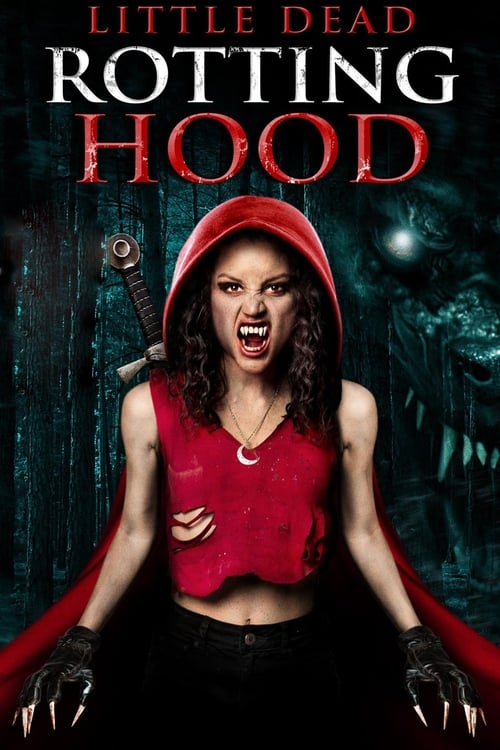
What is the significance of the character named 'Little Dead Rotting Hood' in the story?
How does the relationship between Little Dead Rotting Hood and her grandmother evolve throughout the film?
What role does the werewolf play in the development of the plot?
How does the film depict the theme of transformation through Little Dead Rotting Hood's character?
What is the significance of the setting in the film, particularly the woods?
Should I watch it?
Ask Your Own Question

What is the plot?
Sorry, we aren't able to watch and write up a full detailed plot yet. Check back in a few days.
What is the ending?
In the ending of "Little Dead Rotting Hood," the main character, a young woman named Catherine, confronts the truth about her family's dark legacy and the nature of the wolf that has been terrorizing her village. The film culminates in a violent showdown where Catherine faces the wolf, revealing her own connection to the creature. Ultimately, she must make a choice that will determine her fate and the fate of those around her.
As the film approaches its climax, the tension escalates in the village, where fear of the wolf has reached a fever pitch. Catherine, having learned about her family's history and the curse that binds them to the wolf, prepares for a confrontation. She is torn between her desire to protect her loved ones and the pull of her own dark heritage.
In a pivotal scene, Catherine ventures into the woods, the atmosphere thick with dread. The trees loom ominously, and the sounds of the forest amplify her anxiety. She is determined to confront the wolf, not just for herself but for the villagers who have suffered. As she navigates the underbrush, flashes of her past and the stories of her ancestors haunt her, revealing the weight of her lineage.
When she finally encounters the wolf, the scene is charged with emotion. The wolf, a terrifying and majestic creature, embodies both the horror and the allure of her family's curse. Catherine's internal struggle is palpable; she grapples with fear, anger, and a strange sense of belonging. The wolf's eyes seem to reflect her own turmoil, and in that moment, she understands the connection they share.
The confrontation escalates into a fierce battle. Catherine fights not only for her life but also for her identity. The struggle is brutal, and the stakes are high. As the fight reaches its peak, Catherine taps into her inner strength, embracing her heritage rather than shying away from it. This acceptance transforms her, and she ultimately gains the upper hand.
In the aftermath of the confrontation, Catherine stands over the defeated wolf, breathing heavily, her emotions a whirlwind of triumph and sorrow. She realizes that the wolf is not just a monster but a part of her story. The villagers, witnessing the aftermath, are left in shock, grappling with the reality of what has transpired.
The film concludes with Catherine walking away from the scene, her expression a mix of resolve and uncertainty. She has faced her fears and embraced her identity, but the path ahead remains unclear. The villagers, once terrified, now look to her as a symbol of strength, but they also must confront the truth of their own fears and the legacy of the wolf.
In the final moments, the camera lingers on Catherine as she disappears into the woods, a haunting reminder of the duality of her existence--both human and wolf. The fate of the other characters is left ambiguous, but it is clear that the village will never be the same, and neither will Catherine. The film closes on a note of unresolved tension, suggesting that the battle between light and dark, humanity and monstrosity, continues.
Is there a post-credit scene?
In "Little Dead Rotting Hood," there is no post-credit scene. The film concludes without any additional scenes or content after the credits roll. The story wraps up with the resolution of the main plot, focusing on the characters' fates and the implications of the events that have transpired throughout the film. The absence of a post-credit scene allows the audience to reflect on the film's themes and the dark twist on the classic fairy tale without any further narrative distractions.
What is the significance of the character named 'Little Dead Rotting Hood' in the story?
The character 'Little Dead Rotting Hood' is central to the film's narrative, representing a dark twist on the classic Little Red Riding Hood tale. She is a young girl who becomes a victim of a werewolf attack, leading to her transformation into a zombie-like creature. This transformation symbolizes the loss of innocence and the struggle between her human side and her monstrous instincts. Her character embodies the horror elements of the film, as she navigates her new identity while grappling with her past.
How does the relationship between Little Dead Rotting Hood and her grandmother evolve throughout the film?
The relationship between Little Dead Rotting Hood and her grandmother is complex and evolves significantly. Initially, the grandmother is a protective figure, warning her about the dangers of the woods and the werewolf. However, as the story progresses and Little Dead Rotting Hood transforms, their relationship becomes strained. The grandmother's fear and concern for her granddaughter's well-being clash with Little Dead Rotting Hood's new, darker nature. This tension highlights the emotional turmoil both characters experience as they confront the reality of their circumstances.
What role does the werewolf play in the development of the plot?
The werewolf serves as the primary antagonist in 'Little Dead Rotting Hood,' driving the plot forward through its predatory actions. The werewolf's attacks on the village set off a chain of events that lead to Little Dead Rotting Hood's transformation. The creature embodies the fear and danger lurking in the woods, representing both a physical threat and a metaphorical challenge for the characters. As the story unfolds, the werewolf's presence forces the villagers to confront their own fears and the dark secrets hidden within their community.
How does the film depict the theme of transformation through Little Dead Rotting Hood's character?
The theme of transformation is vividly depicted through Little Dead Rotting Hood's character arc. After being attacked by the werewolf, she undergoes a physical and emotional metamorphosis, becoming a creature that straddles the line between life and death. This transformation is not just about her becoming a zombie-like figure; it also reflects her internal struggle with her identity and the remnants of her humanity. The film explores her attempts to reconcile her past life with her new existence, showcasing the horror of losing oneself while also hinting at the potential for reclaiming agency in a monstrous form.
What is the significance of the setting in the film, particularly the woods?
The woods in 'Little Dead Rotting Hood' serve as a crucial setting that embodies both beauty and danger. They are depicted as a lush, enchanting landscape that contrasts sharply with the horror that unfolds within them. The woods symbolize the unknown and the primal fears that lurk just beneath the surface of the village's idyllic facade. As the characters navigate through the woods, the setting becomes a character in its own right, influencing their actions and decisions. The transformation of Little Dead Rotting Hood occurs in this space, making it a pivotal backdrop for her journey and the unfolding horror.
Is this family friendly?
"Little Dead Rotting Hood" is not considered family-friendly due to its horror elements and mature themes. Here are some potentially objectionable or upsetting aspects that may occur:
-
Graphic Violence: The film contains scenes of violence, including bloodshed and gore, which may be disturbing for younger viewers or sensitive individuals.
-
Horror Elements: The presence of supernatural creatures and a dark atmosphere can create a sense of fear and anxiety.
-
Death and Loss: Themes of death, including the loss of loved ones, are central to the plot and may evoke strong emotional responses.
-
Disturbing Imagery: There are unsettling visuals that may be frightening, including decayed bodies and grotesque transformations.
-
Mature Themes: The film explores themes of betrayal, revenge, and the darker aspects of human nature, which may not be suitable for children.
Overall, the film's content is geared towards an adult audience and may not be appropriate for children or those who are sensitive to horror and violence.








