









Popular
What are the key events that shaped Gordon Lightfoot's early life and career?
How does the film portray Gordon Lightfoot's relationships with his family and friends?
What specific challenges did Gordon Lightfoot face in his personal life that affected his music?
What are some of the most significant songs featured in the film, and what do they represent?
How does the film depict Gordon Lightfoot's impact on the music industry and his legacy?
Should I watch it?
Ask Your Own Question

What is the plot?
Sorry, we aren't able to watch and write up a full detailed plot yet. Check back in a few days.
More Movies Like This
Browse All Movies →









What is the ending?
In the ending of "Gordon Lightfoot: If You Could Read My Mind," the film culminates with Gordon Lightfoot reflecting on his life and career, showcasing his enduring passion for music despite personal struggles. The documentary concludes with a performance that highlights his legacy, leaving viewers with a sense of admiration for his resilience and artistry.
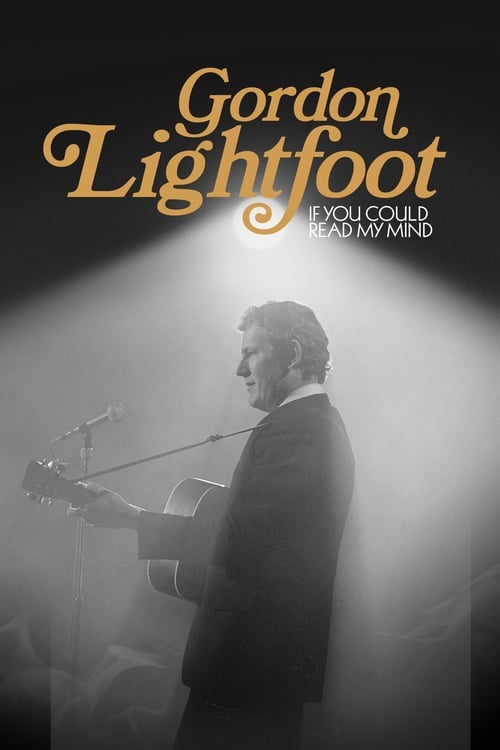
As the film approaches its conclusion, we find ourselves in a dimly lit venue, the atmosphere thick with anticipation. Gordon Lightfoot, now in his seventies, stands on stage, his guitar in hand. The audience is a mix of devoted fans and newcomers, all eager to witness the magic of his music. The camera captures the lines etched on his face, each one telling a story of triumph and heartache.
The scene shifts to a montage of archival footage, interspersed with present-day clips of Lightfoot performing. We see him in his prime, a young man with a powerful voice, captivating audiences with songs like "If You Could Read My Mind." The juxtaposition of his youthful energy and the wisdom of his later years creates a poignant reflection on the passage of time.
As he begins to play, the audience is transported back to the emotions tied to his lyrics. The camera pans over the crowd, revealing faces filled with nostalgia and joy. Lightfoot's voice, though aged, carries the same depth and sincerity that has resonated with listeners for decades. Each note he strums seems to echo the struggles he has faced, from personal relationships to health issues, yet there is an undeniable strength in his performance.
In the final moments of the concert, Lightfoot pauses, looking out at the audience. There is a moment of silence, a shared understanding between him and his fans. He speaks softly, reflecting on the importance of music in his life and the connections it has forged. His vulnerability is palpable, revealing the man behind the legend.
The film closes with Lightfoot finishing his set, the audience erupting in applause. As he takes a bow, the camera captures the warmth of the moment, the love and appreciation from his fans evident in their cheers. The screen fades to black, leaving viewers with a lingering sense of hope and the reminder that, despite life's challenges, the power of music endures.
In this ending, Gordon Lightfoot's fate is one of continued passion and resilience. He remains a beloved figure in the music world, having navigated the complexities of fame and personal struggles. The film encapsulates his journey, celebrating not just his achievements but also the emotional depth of his experiences. The audience is left with a profound respect for his artistry and the legacy he continues to build.
Is there a post-credit scene?
The movie "Gordon Lightfoot: If You Could Read My Mind" does not feature a post-credit scene. The film concludes with a reflective look at Gordon Lightfoot's life and career, encapsulating his journey through music, personal struggles, and the impact he has had on the folk and rock genres. The ending emphasizes the emotional resonance of his songs and the legacy he leaves behind, providing a poignant closure without any additional scenes after the credits.
What are the key events that shaped Gordon Lightfoot's early life and career?
The film delves into Gordon Lightfoot's formative years, showcasing his childhood in Orillia, Ontario, where his love for music began. It highlights his early influences, including his family, who encouraged his musical pursuits, and his experiences in school choirs. The narrative captures his move to Toronto, where he immersed himself in the folk music scene, performing in local clubs and honing his songwriting skills.
How does the film portray Gordon Lightfoot's relationships with his family and friends?
The documentary provides an intimate look at Lightfoot's relationships, particularly with his parents, who were supportive yet had high expectations. It also explores his friendships with fellow musicians, illustrating the camaraderie and competition within the music industry. Emotional interviews reveal the impact of these relationships on his songwriting and personal life, showcasing both the joy and the struggles he faced.
What specific challenges did Gordon Lightfoot face in his personal life that affected his music?
The film candidly addresses Lightfoot's battles with addiction and the toll it took on his personal relationships and career. It depicts his struggles with depression and the impact of his tumultuous marriages, particularly with his second wife, who played a significant role in his life. These challenges are intertwined with his creative process, influencing the themes of loss and longing in his songs.
What are some of the most significant songs featured in the film, and what do they represent?
The documentary highlights several of Lightfoot's iconic songs, such as 'If You Could Read My Mind,' 'Sundown,' and 'The Wreck of the Edmund Fitzgerald.' Each song is explored in detail, with the film providing context about their creation and the personal experiences that inspired them. The emotional weight of these songs is emphasized, showcasing how they resonate with themes of love, loss, and the passage of time.
How does the film depict Gordon Lightfoot's impact on the music industry and his legacy?
The film illustrates Lightfoot's profound influence on the folk and rock genres, featuring testimonials from contemporary artists who cite him as an inspiration. It chronicles his contributions to music, including his songwriting prowess and unique storytelling ability. The narrative emphasizes his role in shaping Canadian music and his lasting legacy, as well as the respect he commands within the industry.
Is this family friendly?
"Gordon Lightfoot: If You Could Read My Mind" is a documentary that explores the life and career of the iconic Canadian singer-songwriter Gordon Lightfoot. While the film primarily focuses on his music and artistic journey, it does touch on some themes and moments that may be sensitive for children or sensitive viewers.
-
Personal Struggles: The film delves into Lightfoot's personal challenges, including his battles with addiction and the impact of fame on his mental health. These discussions may be heavy for younger audiences.
-
Relationships: There are candid reflections on Lightfoot's relationships, including his marriages and the emotional toll they took on him. Some viewers may find the exploration of these themes to be poignant or upsetting.
-
Health Issues: The documentary addresses Lightfoot's health problems, including a serious illness that affected his ability to perform. This aspect may be distressing for some viewers.
-
Loss and Regret: Lightfoot shares moments of loss and regret throughout his life, which could evoke strong emotions and may be difficult for sensitive viewers to process.
Overall, while the film is not explicitly inappropriate, its exploration of deeper emotional and personal themes may require parental guidance for younger audiences.







