















Popular
What role does the setting play in the development of the characters?
What is the significance of Leo's dreams in the film?
How does Molly cope with her father's condition throughout the film?
How does the film portray the relationship between Leo and Molly?
What are the key moments that highlight Leo's alternate life choices?
Should I watch it?
Ask Your Own Question

What is the plot?
Sorry, we aren't able to watch and write up a full detailed plot yet. Check back in a few days.





What is the ending?
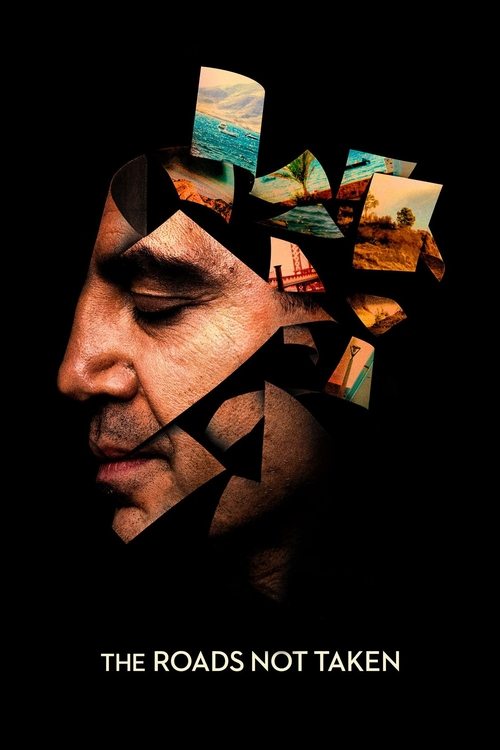
In the ending of "The Roads Not Taken," Leo, who has been struggling with dementia, experiences a series of vivid memories and alternate life paths. His daughter, Molly, grapples with her feelings of loss and the burden of caring for him. The film concludes with a poignant moment where Leo's consciousness seems to drift away, leaving Molly to confront the reality of his condition and her own emotional turmoil.
As the film approaches its conclusion, we find ourselves in a quiet, dimly lit room where Leo, played by Javier Bardem, is resting. The atmosphere is heavy with the weight of unspoken words and memories that linger in the air. Molly, portrayed by Elle Fanning, sits beside him, her face a mixture of concern and sorrow. She watches her father, who is lost in his own world, battling the effects of dementia.
In this moment, Leo's mind begins to wander, and we are transported into a series of flashbacks that depict his life choices and the roads he did not take. We see him as a young man, filled with ambition and dreams, juxtaposed against his current state of confusion and fragility. The scenes shift fluidly, showcasing different versions of his life--moments of love, regret, and the paths that led him to where he is now.
As these memories unfold, we witness Leo's internal struggle. He is both present and absent, grappling with the remnants of his past while being unable to fully connect with the present. The emotional weight of his memories is palpable, and we see glimpses of joy and pain that have shaped him.
Molly, meanwhile, is caught in her own emotional storm. She feels the burden of responsibility as she cares for her father, and her frustration and sadness are evident. She longs for the father she once knew, the man who was vibrant and full of life. As she watches him slip further away, her heart aches with the realization that she is losing him not just to illness, but to the memories that he can no longer share with her.
In the final moments, Leo's consciousness seems to fade, and he drifts into a serene state, perhaps finding peace in the memories that have defined him. Molly, feeling the weight of her father's absence, is left to confront her own feelings of grief and loss. The film closes on her face, a mixture of acceptance and sorrow, as she grapples with the reality of her father's condition and the roads they both have traveled.
The ending encapsulates the themes of memory, loss, and the complexity of familial relationships, leaving the audience with a poignant reflection on the paths we choose and the ones we leave behind.
Is there a post-credit scene?
The movie "The Roads Not Taken," produced in 2020, does not contain a post-credit scene. The film concludes its narrative without any additional scenes or content after the credits roll. The focus remains on the emotional and psychological journey of the characters throughout the film, particularly exploring themes of memory, choices, and the paths not taken in life.
What role does the setting play in the development of the characters?
The film's settings, ranging from the bustling streets of New York City to the intimate confines of Leo's home, enhance the emotional landscape of the characters. The contrasting environments reflect Leo's internal chaos and Molly's attempts to find stability. The urban backdrop serves as a reminder of the life Leo once led, while the more personal spaces highlight the intimate bond between father and daughter.
What is the significance of Leo's dreams in the film?
Leo's dreams serve as a window into his past and the life he could have lived. They illustrate his internal struggles and regrets, showcasing alternate realities where he made different choices. These dreams are vivid and emotional, reflecting his desires and fears, and they deeply affect his relationship with his daughter, Molly.
How does Molly cope with her father's condition throughout the film?
Molly grapples with a mix of frustration, sadness, and love as she navigates her father's deteriorating mental state. She often reflects on their past and her childhood, revealing her deep emotional connection to Leo. Her coping mechanisms include seeking solace in memories and trying to understand her father's experiences, which leads to moments of both tenderness and tension.
How does the film portray the relationship between Leo and Molly?
The relationship between Leo and Molly is complex and layered, marked by love, frustration, and a deep sense of loss. As Leo's mental health declines, Molly's role shifts from daughter to caregiver, creating a dynamic filled with both tenderness and tension. Their interactions reveal a profound emotional connection, as well as the pain of unfulfilled potential and the struggle to communicate amidst Leo's condition.
What are the key moments that highlight Leo's alternate life choices?
Key moments that highlight Leo's alternate life choices include his vivid dreams where he envisions different paths he could have taken, such as a life as a successful writer or a devoted family man. These sequences are rich in visual detail, showcasing the stark contrasts between his imagined happiness and his current reality. They serve to illustrate his regrets and the weight of his decisions, ultimately deepening the audience's understanding of his character.
Is this family friendly?
"The Roads Not Taken" is a film that explores complex themes of memory, identity, and the impact of choices on life. It features intense emotional moments and deals with serious subjects, including mental health and existential reflection.
Potentially objectionable or upsetting aspects for children or sensitive viewers may include:
- Mental Health Themes: The film portrays the struggles of a character dealing with dementia, which can be distressing for some viewers.
- Emotional Distress: There are scenes depicting deep emotional pain, confusion, and moments of despair that may be difficult for younger audiences to process.
- Family Dynamics: The interactions between family members can be tense and fraught with sadness, highlighting the strain that illness can place on relationships.
- Existential Questions: The film raises profound questions about life choices and regrets, which may be heavy for younger viewers to understand.
Overall, while the film is rich in narrative depth, its themes and emotional weight may not be suitable for all children or sensitive individuals.








