












Popular
What role does the character Arjun play in the story?
How does the character of Anu influence Arjun's decisions?
What is the significance of the character Kadavul in the film?
How does the relationship between Arjun and his best friend, Murali, evolve throughout the film?
What are the key moments that lead to Arjun's realization about love and commitment?
Should I watch it?
Ask Your Own Question

What is the plot?
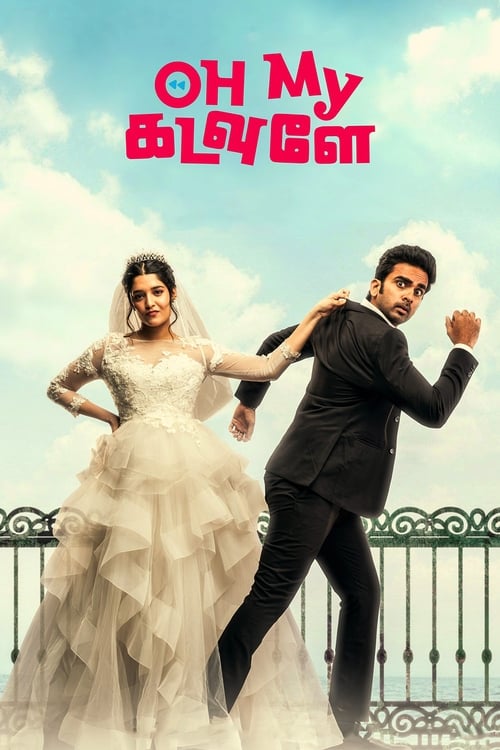
The story of Oh My Kadavule opens on a lively note with Arjun, a young man in his early twenties, celebrating at a local pub with his two closest childhood friends, Anu and Mani. The atmosphere is jubilant, filled with laughter and camaraderie, as Arjun has just cleared his engineering arrear exams--a milestone that seems to promise a brighter future. The trio's easy banter and deep friendship set the tone, with references to their shared past and light-hearted moments, such as Anu explaining her insights about women to Arjun with a playful nod to the TV show F.R.I.E.N.D.S. The night is warm, the pub buzzing, and the friends are caught in the carefree bubble of youth.
Amidst the celebration, Anu drops a surprising revelation: her father, Paulraj, is looking for a suitable groom for her. Without hesitation and driven by a spontaneous impulse, she asks Arjun, "Will you marry me?" The question hangs in the air, charged with the thrill of the moment. Arjun, caught off guard but swept up in the spirit of friendship and adventure, agrees. The decision feels impulsive, almost reckless, but it seals their fate. Mani watches on, supportive but cautious, sensing the weight of this sudden commitment.
Fast forward one year, and the mood has shifted dramatically. The film now places Arjun and Anu in the stark, formal setting of a family court, where they are seeking a divorce. The contrast between the joyous pub and the cold courtroom underscores the unraveling of their relationship. Arjun is resolute, stating firmly that he wants out, while Mani tries in vain to persuade him to reconsider. The tension is palpable, the silence between the words heavy with regret and disappointment.
As the divorce hearing progresses, Anu suddenly faints, collapsing in the courtroom. The scene is chaotic--Anu is rushed to the hospital, and the proceedings are postponed to later that evening. It is in this moment of crisis that a mysterious stranger appears to Arjun. Calm and enigmatic, he reveals himself as God, portrayed with a charismatic blend of humor and wisdom by Vijay Sethupathi. God tells Arjun that events will unfold in the next twenty minutes that will prevent the divorce from happening. Arjun scoffs at the claim, but as the stranger's predictions come true, disbelief turns to shock. God offers Arjun a Golden Ticket--a magical chance to redo his life with one strict condition: he must never reveal the ticket's existence to anyone, or he will die.
The narrative shifts into a fantasy realm as Arjun wakes up to find himself back at the moment when Anu first proposed marriage. This time, he refuses her proposal, choosing instead to pursue his passion for acting and rekindle his childhood crush, Meera. The film follows Arjun's journey as he navigates this alternate path, filled with humor, heartache, and self-discovery. He helps Meera, who is struggling with her own romantic past, by creating a birthday video proposal filled with heartfelt wishes from her family and friends. This video is not just a proposal but a symbol of Arjun's growth and sincerity.
During a trip to Kerala with Anu and Mani, Arjun encounters Meera's ex-boyfriend Krishna, a boxer who had ended their relationship to focus on his career but still harbors feelings for her. Arjun's selflessness shines as he decides to help Meera and Krishna reconcile, modifying the birthday video to facilitate their reunion. This act marks a turning point in Arjun's character--he is no longer selfishly chasing love but is learning to value others' happiness.
Meanwhile, Anu agrees to marry Matthew, a groom chosen by her father, Paulraj. Arjun learns that Paulraj's company is dedicated to building free toilets in his native village, a noble cause that moves Arjun deeply. He regrets having insulted the company earlier, realizing the depth of Anu's family values and the sacrifices behind them. This revelation adds layers to Arjun's understanding of Anu and their relationship.
As Anu's wedding day approaches, Arjun is heartbroken, watching her prepare to marry another man. The wedding venue is vibrant yet tense, filled with the buzz of celebration and the silent undercurrent of lost love. But in a dramatic twist, Anu calls off the wedding, acknowledging the love she senses from Arjun. The three friends--Arjun, Anu, and Mani--reunite at their regular pub, the place where their story began. Anu confesses, "I could feel your love for me all along." The moment is charged with emotion, the dim lighting of the pub casting shadows that mirror their complex feelings.
Arjun, overwhelmed, reveals the secret of the Golden Ticket and the second chance granted by God. This confession breaks the sacred condition, and the ticket flies away from him like a fluttering butterfly--a visual echo of the film's recurring motif inspired by Michelangelo's The Creation of Adam. In a desperate attempt to catch it, Arjun runs into the street and is tragically hit by a lorry. The scene is sudden and heart-wrenching; time seems to slow as Arjun falls, his life slipping away in a moment of reckless hope.
In the afterlife, Arjun confronts God once more, pleading for yet another chance. God's demeanor is firm but compassionate as he tells Arjun that no more chances will be given. "You have died in the alternate life," God says, "but you still have your original life. Take care of your own problems." This encounter is both a rebuke and a lesson, emphasizing responsibility and the consequences of one's choices.
Back in the family court of his original timeline, Arjun stands before Anu with newfound clarity and humility. He sincerely apologizes for his past mistakes and confesses his love for her. The courtroom, once a place of conflict, becomes the stage for their reconciliation. Anu listens, tears in her eyes, and they reunite, their bond strengthened by the trials they have endured. The film closes on a hopeful note, with Arjun and Anu stepping out together, ready to face the future with genuine love and understanding.
Throughout the film, the characters' journeys intertwine with themes of friendship, love, and second chances. Arjun's internal conflicts--between his feelings for Anu and Meera, his regrets, and his growth--drive the narrative forward. The fantasy element of the Golden Ticket adds a layer of magical realism that underscores the importance of choices and their ripple effects. The deaths and confrontations, especially Arjun's tragic accident, serve as pivotal moments that heighten the emotional stakes and propel the story toward its resolution.
No other deaths occur besides Arjun's, and the confrontations--between Arjun and Anu, Arjun and himself, and Arjun and God--are essential to the unfolding drama. The film's settings, from the cozy local pub to the sterile family court and the vibrant wedding venue, frame the emotional landscape of the characters' lives.
Oh My Kadavule ends as a poignant tale of love rediscovered, friendship tested, and the power of second chances, leaving viewers with a resonant message about embracing life's complexities with courage and heart.





What is the ending?
In the ending of "Oh My Kadavule," Arjun, after a series of emotional and transformative experiences, ultimately chooses to embrace his life with all its imperfections. He reconciles with his feelings for his childhood friend, Anu, and they decide to be together. The film concludes with a sense of hope and acceptance, as Arjun learns to appreciate the journey of life rather than seeking perfection.
As the film approaches its climax, we find Arjun grappling with the consequences of his choices. He has been given a second chance at life by a divine intervention, represented by the character of God, who has allowed him to relive his past decisions. This opportunity has led him through a series of trials, forcing him to confront his feelings and the reality of his relationships.
In the penultimate scenes, Arjun is faced with the decision of whether to pursue a life with his wife, Meera, or to follow his heart towards Anu, his childhood friend. The emotional weight of this decision is palpable. Arjun reflects on his marriage, which, while stable, lacks the spark and connection he feels with Anu. He recalls moments from their past, filled with laughter and joy, contrasting sharply with the growing distance he feels in his current relationship.
As the narrative unfolds, Arjun's internal conflict intensifies. He meets with Meera, who is portrayed as a kind and understanding partner, yet he cannot shake the feeling that he is not being true to himself. In a poignant scene, Meera expresses her love and commitment, but Arjun's heart is elsewhere. This moment is filled with tension, as he realizes that he must make a choice that will affect both their lives.
The turning point comes when Arjun finally confronts Anu. They share a heartfelt conversation where they both acknowledge their feelings for each other. Anu, who has been waiting for Arjun to realize his true desires, is both hopeful and apprehensive. The chemistry between them is electric, and the audience can feel the weight of their unspoken bond. This scene is crucial as it encapsulates the essence of their relationship--one that has been built on years of friendship and unacknowledged love.
In the final moments of the film, Arjun makes the brave decision to choose love over societal expectations. He approaches Meera and, with a heavy heart, explains his feelings. Meera, though hurt, shows remarkable strength and maturity, understanding that love cannot be forced. She wishes him well, and their parting is bittersweet, filled with mutual respect and sadness.
The film concludes with Arjun and Anu together, walking hand in hand, symbolizing a new beginning. The final scene captures their laughter and joy, a stark contrast to the earlier moments of confusion and despair. The camera pans out, showing them against a backdrop of a vibrant sunset, signifying hope and the beauty of embracing one's true self.
As the credits roll, the fates of the main characters are clear: Arjun has chosen authenticity and love, while Meera, though heartbroken, is left with dignity and strength. Anu, who has always been a part of Arjun's life, finally steps into the light as his partner. The film leaves the audience with a sense of closure, emphasizing the importance of following one's heart and the complexities of love and relationships.
Is there a post-credit scene?
Yes, "Oh My Kadavule" features a post-credit scene that adds a humorous twist to the film's narrative. In this scene, the character Arjun, played by Ashok Selvan, is seen in a light-hearted moment with his friends. They are discussing the events that transpired throughout the film, particularly focusing on the supernatural elements and the concept of fate.
As the scene unfolds, Arjun's friends tease him about his experiences with the divine and the choices he made. The atmosphere is filled with laughter and camaraderie, showcasing the bond between the characters. The playful banter highlights Arjun's growth and acceptance of his life choices, emphasizing the film's themes of love, destiny, and the importance of relationships.
The scene serves as a comedic relief, leaving the audience with a sense of joy and closure, reinforcing the film's overall message about embracing life's unpredictability. It wraps up the story on a light note, reminding viewers of the film's blend of romance and humor.
What role does the character Arjun play in the story?
Arjun is the protagonist of 'Oh My Kadavule,' portrayed by Ashok Selvan. He is a young man who is initially depicted as a carefree individual, struggling with his romantic life and career. His character undergoes significant development throughout the film, especially after he is given a second chance at life by a divine intervention, which leads him to reevaluate his choices and relationships.
How does the character of Anu influence Arjun's decisions?
Anu, played by Ritu Varma, is Arjun's love interest and later becomes his wife. Her character is pivotal in shaping Arjun's emotional journey. Initially, Arjun is infatuated with her, but as the story progresses, their relationship becomes strained due to misunderstandings and Arjun's indecisiveness. Anu's reactions to Arjun's actions and her own aspirations drive much of the plot's conflict.
What is the significance of the character Kadavul in the film?
Kadavul, portrayed by Vijay Sethupathi, is a divine figure who grants Arjun a second chance at life. His character serves as a catalyst for the story, introducing the concept of alternate realities and the consequences of one's choices. Kadavul's humorous yet wise demeanor adds a layer of depth to the narrative, as he guides Arjun through his journey of self-discovery.
How does the relationship between Arjun and his best friend, Murali, evolve throughout the film?
Murali, played by Priya Anand, is Arjun's best friend who provides comic relief and emotional support. Initially, Murali is portrayed as a carefree character who enjoys life without much thought. However, as Arjun faces the repercussions of his choices, Murali's character evolves to become more serious and supportive, ultimately helping Arjun navigate his challenges and encouraging him to take responsibility for his actions.
What are the key moments that lead to Arjun's realization about love and commitment?
Key moments that lead to Arjun's realization include his interactions with Kadavul, where he is shown alternate outcomes of his life choices, particularly regarding his relationship with Anu. Additionally, witnessing the consequences of his indecision and the impact it has on those around him, especially Anu and Murali, forces Arjun to confront his fears about commitment and ultimately leads him to understand the value of love and responsibility.
Is this family friendly?
"Oh My Kadavule" is generally considered a family-friendly film, but it does contain some themes and scenes that may be sensitive for children or those who are particularly sensitive. Here are a few aspects to consider:
-
Romantic Relationships: The film explores romantic relationships, including the complexities of love, heartbreak, and marriage. Some scenes may involve emotional discussions about relationships that could be confusing for younger viewers.
-
Divorce and Separation: The film touches on the topic of divorce, which may be upsetting for children or sensitive individuals. The emotional fallout from a couple's separation is depicted, showcasing the pain and struggles involved.
-
Existential Themes: The narrative includes elements of existentialism and the concept of fate versus free will, which may be heavy for younger audiences to fully grasp.
-
Mild Language: There are instances of mild language that may not be suitable for very young children.
-
Emotional Turmoil: Characters experience significant emotional turmoil, including sadness and regret, which could be distressing for some viewers.
Overall, while the film has a light-hearted tone and comedic elements, these themes may require parental guidance for younger audiences.







