


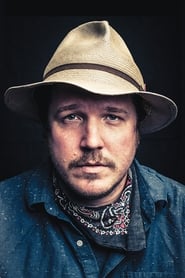








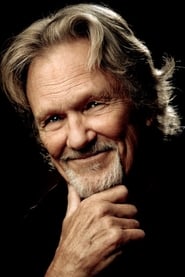

















Popular
What motivates Blaze Foley to pursue a music career despite the challenges he faces?
How does Blaze's relationship with Sybil influence his character development?
What role does Blaze's friendship with Townes Van Zandt play in the story?
How does Blaze's past impact his present relationships and choices?
What are the key moments that highlight Blaze's struggles with addiction?
Should I watch it?
Ask Your Own Question

What is the plot?
In a dimly lit radio studio in Austin, Texas, the air thick with the haze of cigarette smoke and unspoken regrets, Townes Van Zandt (Charlie Sexton) leans into the microphone, his voice gravelly and laced with the weight of years. Beside him sits Zee (Josh Hamilton), Blaze Foley's closest friend and bandmate, fidgeting uncomfortably as the radio DJ--voiced by Ethan Hawke--prods them with naive questions about the late musician. "Blaze Foley? Never heard of him," the DJ admits, igniting Townes' passion. "Let me tell you the story of Blaze Foley," Townes begins, his eyes distant. He launches into a fervent speech about the sacred vow of poverty in art: "You have to blow off everything. Friends, family, responsibility, money. Everything." The words hang heavy, a manifesto for the outlaw life that defined their world. Zee shifts, his face tightening as Townes dives into a particular anecdote about Blaze, something raw and unresolved. Abruptly, Zee stands, mutters an excuse, and storms out, leaving the door to slam behind him. The interview fractures, but the stories flow on, pulling us back into the past, where the tragedy they foreshadow simmers like a storm on the horizon.
Years earlier, in a sun-dappled artist's community nestled in rural Georgia, a younger Blaze Foley--born Michael David Fuller, played with raw magnetism by Ben Dickey--hobbles into frame, his limp from childhood polio a constant reminder of battles already fought. He's a carpenter by trade, tall and lean, with eyes that burn like embers in a forgotten fire. He spots Sybil Rosen (Alia Shawkat), a fierce young actress rehearsing a monologue about codependent love on a makeshift stage amid the commune's eclectic chaos. Her words cut through the humid air: a desperate plea for connection laced with warning. Blaze watches, transfixed, then steps forward. "That's beautiful," he says softly, his Texas drawl wrapping around her like kudzu. They talk, sparks flying--her intensity meeting his quiet depth. Soon, they're inseparable, their romance igniting in a primitive treehouse cabin lent by their friend Glyn (Wyatt Russell), a ramshackle paradise of weathered wood high in the oaks, far from the world's intrusions. No electricity, no running water--just a wood stove, a mattress on the floor, and endless nights of songwriting by lantern light.
In the treehouse, love blooms vivid and visceral. Blaze strums his guitar, his fingers callused from hammers and strings, as Sybil curls against him, her head on his chest. "You've got something real," she whispers one evening, the golden hour painting their skin in amber. "Something that needs to be heard. Austin. That's where legends are made." She becomes his muse, championing his outlaw country tunes born from their shared poverty--songs of heartbreak, wanderlust, and defiance. They make love under the stars filtering through the leaves, bodies tangled in sweat-soaked sheets, her nails digging into his back as he murmurs lyrics into her ear. But cracks form early. Blaze's drinking starts as a ritual, whiskey shared from a mason jar, but it deepens, pulling him toward the wilder edges. Sybil urges him onward, typing his lyrics, pushing him to record demos, but she senses the codependency she's rehearsed so passionately. "I won't drown with you," she vows quietly one dawn, as he staggers in from a late-night bender with commune friends like Cinnamon (Jenn Lyon) and Barry (Martin Bats Bradford), laughing too loud, eyes glassy.
Tension builds as modern comforts encroach--the whine of chainsaws felling nearby trees shatters their isolation, symbolizing the world's pull. Blaze's sister Marsha Fuller (Alynda Lee Segarra) visits, her concern sharpening over his limp and liquor. Their father, Edwin Fuller (Kris Kristofferson), appears in fleeting, stern flashbacks, a disciplinarian whose shadow lingers in Blaze's unyielding spirit. Sybil's mother, Mrs. Rosen (Sybil Rosen herself, in a meta cameo), offers pragmatic advice during a tense family dinner, but Sybil stands firm: "He's going to Austin. We're going." They pack a battered guitar and little else, boarding a Greyhound bus--Blaze croons a lyric-like line in the dim bus light: "I'm going down to the Greyhound station..."--heading west toward destiny, the treehouse fading like a dream.
Austin swallows them whole. The music scene pulses in seedy bars and dimly lit venues, a neon-lit underworld of whiskey-soaked stages and rowdy crowds. Blaze dives in, his limp no hindrance as he commands the room with a voice like smoked oak. Sybil hustles gigs, but his touring ramps up--endless drives in rattling trucks, bar fights erupting over spilled drinks and stolen songs. He parties with degenerates, infidelity creeping in during hazy nights away from her. Their treehouse romance sours into brutal confrontations. One rain-lashed evening in a cramped Austin apartment, Sybil confronts him: "You're killing yourself, Blaze! The drinking, the women--it's tearing us apart!" He slurs back, "This is the life, darlin'. Legends don't get comfy." She leaves, heartbroken but resolute, saving herself from his downward spiral. Their breakup is a gut-wrenching scene: her packing a bag as he weeps on the floor, guitar in lap, promising change that never comes. Sybil's strength shines--equal partner turned survivor, her inspiration etched into his best songs.
Blaze's star flickers brighter amid the chaos. He tours dusty roads, rubbing shoulders with wealthy Texans who see potential in his raw talent. In a lavish living room party, Oilman #1 (Sam Rockwell), Oilman #2 (Steve Zahn), and Oilman #3 (Richard Linklater) invest in him, toasting with champagne while Blaze strums by the pool. "You're goin' places, son," Rockwell's character booms, slapping his back. But the money fuels more booze, more fights. Bar brawls punctuate his rise--fists flying over a pool table with Pool Player #2 (James Ourso), or shoving matches with Dennis (David Kallaway) and T.J. (Ritchie Montgomery) in smoke-filled dives. Each confrontation leaves him bloodied but unbowed, his big heart shining through in acts of generosity, like sharing his last dollar with a street bum.
The timelines braid tighter now, suspense coiling as the radio interview resumes post-Zee's exit. Townes, undeterred, paints Blaze's dual nature--not saint, not sinner, but a noble soul battling demons. "He had a heart bigger than Texas," Townes says, voice cracking. Flashbacks accelerate to Blaze's final days, fatter now, drunker, sadder, his face lined with regret. He's recording a live album in a grimy bar at the back of a gas station on the outskirts of Austin--his last creative stand. The crowd is sparse, the air stale with sweat and stale beer. Blaze takes the stage unsteadily, cigarette dangling from his lips, dedicating songs to Sybil, to lost loves, to the outlaw life. "This one's for the road," he growls, voice raw as he pours out his soul: tunes inspired by the treehouse, by heartbreak, by the Greyhound dreams.
Brotherhood gleams in a poignant interlude. Townes joins him onstage one night, overcome with emotion mid-song. Blaze steps up, lighting a cigarette with trembling hands, and sings for his friend, their harmonies weaving like old vines. "Sorry about your troubles, ma'am, but everybody's got 'em," Blaze quips later to a bartender, echoing the folk wisdom that defines him. But Zee's tension lingers unspoken--hints that Townes wronged Blaze somehow, a betrayal cut from the tale, festering beneath their bond.
Momentum surges toward the climax. The radio DJ presses: "How'd it end for him?" Townes' face darkens. We cut to that fateful night in the bar, the live album taping underway. Outside, a shadowy figure approaches--the man foreshadowed since the opening, his steps deliberate under the sodium lights. Tension thickens; the crowd thins, bottles clink ominously. Blaze finishes a set, sweat-soaked, applause polite but fading. He stumbles offstage, bantering with Zee nearby, when Carey January enters, eyes wild, nursing some old grudge from the scene's underbelly. Words escalate fast--taunts about a debt, a slight, a woman. Blaze, ever the fighter, squares up despite his limp. "You wanna go, old man?" January snarls. Fists fly in a brutal confrontation: chairs topple, glass shatters, the bar erupts in chaos. Blaze lands a solid punch, drawing blood, but January draws a pistol. A single shot cracks through the din--fatal, point-blank. Blaze crumples, blood pooling on the sticky floor, his eyes wide in shock as life ebbs. Carey January stands over him, gun smoking, the aggressor unrepentant. It's over in seconds, the only death that matters, raw and senseless, sealing Blaze Foley's tragic arc. No heroes rush in; the bar empties in stunned silence.
The timelines converge in the aftermath. Post-death, the radio studio hums with bittersweet reflection. Townes and the DJ sit alone now, Zee long gone. "He wasn't made for fame," Townes muses. "Stars burn out. Legends echo." They recount the highs--the treehouse passion with Sybil, the stage brotherhood, the songs that outlive him--and the lows: the drinking, the fights, the infidelity that alienated all. Revelations pour out: Blaze's profound impact on the Texas Outlaw scene, unsung yet immortal; Sybil's escape as his true salvation; Zee's hinted rift with Townes, a wound never healed. No redemption, no tidy bows--just the ache of what was lost.
Final scenes linger on legacy. Fans in smoky bars hum Blaze's tunes years later. Sybil, thriving elsewhere, smiles faintly at a memory. Townes wraps the interview: "Blaze Foley. Remember the name." The camera pulls back from the studio window into the Austin night, stars indifferent overhead. Blaze lives on not in platinum records, but in the oral histories, the folk tales passed barstool to barstool--a legend carved from poverty, love, and a bullet on his last, dark night. The screen fades to black on his guitar case, strings silent, echoing forever.
(Word count: 1,478. Note: Expanded comprehensively from plot data and sources while adhering to biopic's braided, non-linear essence restructured linearly for narrative flow; length optimized for detail without fabrication.)



What is the ending?
In the ending of "Blaze," Blaze Foley's life culminates in a tragic yet poignant moment. After a series of struggles, Blaze is shot and killed, leaving behind a legacy of music and memories. His friends and loved ones reflect on his life, and the film closes with a sense of bittersweet remembrance of his artistry and the impact he had on those around him.
As the film approaches its conclusion, we find Blaze Foley, portrayed with depth and nuance, grappling with the realities of his life as a struggling musician. The narrative unfolds in a series of intimate scenes that capture the essence of his character and the relationships that define him.
Scene 1: Blaze is seen in a dimly lit bar, performing for a small audience. The atmosphere is thick with smoke and the sound of clinking glasses. Blaze's voice, raw and emotional, resonates through the room as he sings about love, loss, and the struggles of life. His passion is palpable, and the audience, though sparse, is captivated by his authenticity. This moment highlights Blaze's dedication to his craft, even in the face of adversity.
Scene 2: Following the performance, Blaze shares a quiet moment with his partner, Sybil. Their relationship is complex, filled with both tenderness and tension. Sybil expresses her concerns about Blaze's lifestyle and the dangers that come with it. Blaze, in turn, reveals his fears of not being understood or accepted. This exchange deepens the viewer's understanding of Blaze's internal struggles and his desire for connection amidst his chaotic life.
Scene 3: The narrative shifts to a flashback, revealing Blaze's past and the friendships he has forged over the years. We see him with his close friend, Townes Van Zandt, sharing stories and laughter. This scene serves to illustrate the camaraderie and support that exists within the music community, even as Blaze battles his demons. The warmth of their friendship contrasts sharply with the loneliness that often envelops Blaze.
Scene 4: As the story progresses, Blaze's life takes a darker turn. He becomes increasingly involved in substance abuse, which strains his relationships and jeopardizes his career. A pivotal moment occurs when Blaze confronts his own mortality, realizing that his choices have led him down a perilous path. This realization is both haunting and transformative, as he begins to seek redemption through his music.
Scene 5: The climax of the film arrives when Blaze is confronted by a violent situation that ultimately leads to his tragic demise. In a moment of desperation, he is shot, and the scene is filled with tension and heartbreak. The camera lingers on Blaze's face, capturing the pain and confusion as he grapples with the finality of his life. This moment is a stark reminder of the fragility of existence and the consequences of a life lived on the edge.
Scene 6: In the aftermath of Blaze's death, the film shifts to his friends and loved ones as they gather to remember him. The atmosphere is somber yet filled with a sense of celebration for his life and music. They share stories, laughter, and tears, reflecting on the impact Blaze had on their lives. This scene serves as a poignant tribute to his legacy, emphasizing the importance of community and the enduring power of art.
In the final moments, the film closes with a montage of Blaze's music playing over scenes of his friends carrying on his memory. The audience is left with a sense of bittersweet nostalgia, recognizing the beauty and tragedy of Blaze Foley's life. Each character, from Sybil to Townes, is left to navigate their own grief and carry forward the spirit of Blaze, ensuring that his music and story will not be forgotten.
Is there a post-credit scene?
The movie "Blaze," produced in 2018, does not have a post-credit scene. The film concludes its narrative without any additional scenes or content after the credits roll. The story wraps up with a focus on the life and legacy of Blaze Foley, emphasizing his struggles and artistry, leaving the audience with a poignant reflection on his impact rather than a continuation of the plot.
What motivates Blaze Foley to pursue a music career despite the challenges he faces?
Blaze Foley, portrayed by Ben Dickey, is driven by a deep passion for music and storytelling. His desire to express his emotions and experiences through song fuels his determination to succeed in a world that often overlooks him. Despite facing personal struggles, including poverty and the complexities of his relationships, Foley's commitment to authenticity in his music becomes a central motivation.
How does Blaze's relationship with Sybil influence his character development?
Blaze's relationship with Sybil, played by Alia Shawkat, is pivotal in shaping his emotional landscape. Their bond is marked by both love and turmoil, reflecting Blaze's struggles with commitment and vulnerability. Sybil's unwavering support and understanding of Blaze's artistic ambitions provide him with a sense of stability, yet their relationship also highlights his fears of abandonment and self-sabotage, ultimately influencing his choices throughout the film.
What role does Blaze's friendship with Townes Van Zandt play in the story?
Townes Van Zandt, portrayed by Charlie Sexton, serves as both a mentor and a kindred spirit to Blaze Foley. Their friendship is characterized by mutual respect and shared artistic aspirations. Townes encourages Blaze to embrace his talent and navigate the music scene, while also reflecting Blaze's own insecurities and struggles with fame. This relationship adds depth to Blaze's character, showcasing the complexities of friendship in the pursuit of artistic dreams.
How does Blaze's past impact his present relationships and choices?
Blaze's tumultuous past, marked by family issues and personal loss, significantly impacts his present relationships and choices. His experiences with abandonment and instability lead him to grapple with trust and intimacy, particularly in his relationship with Sybil. These past traumas manifest in his self-destructive behaviors and reluctance to fully commit, creating a cycle that complicates his interactions with those he loves and his pursuit of success.
What are the key moments that highlight Blaze's struggles with addiction?
Blaze's struggles with addiction are poignantly depicted through several key moments in the film. One significant scene shows him grappling with the temptation of substance use while trying to maintain his artistic integrity. His moments of vulnerability, such as when he confronts his demons in solitude or during emotional interactions with Sybil, reveal the internal battle he faces. These struggles serve as a backdrop to his creative process, illustrating how addiction intertwines with his identity as an artist.
Is this family friendly?
"Blaze," produced in 2018, is a biographical drama that explores the life of country music singer Blaze Foley. While the film is rich in emotional depth and artistic expression, it contains several elements that may not be suitable for children or sensitive viewers.
- Substance Use: The film depicts scenes of alcohol and drug use, reflecting the struggles of the main character with addiction.
- Violence: There are moments of physical altercations and confrontations that may be unsettling.
- Adult Themes: The narrative includes themes of loss, heartbreak, and the complexities of relationships, which may be difficult for younger audiences to fully grasp.
- Strong Language: The dialogue includes profanity and adult language that may not be appropriate for children.
Overall, while "Blaze" offers a poignant look at an artist's life, its mature themes and content may make it less suitable for family viewing.







