











Popular
What motivates Linda Radlett's pursuit of love throughout the series?
How does Fanny Logan's character contrast with Linda Radlett's?
What role does the backdrop of World War II play in the characters' lives?
How does Linda's relationship with her father influence her views on love?
What is the significance of the character of Alfred in Linda's journey?
Should I watch it?
Ask Your Own Question

What is the plot?
The story begins in the early 1920s, where we are introduced to Linda Radlett, a spirited and romantic young woman living in a grand but somewhat stifling family estate in the English countryside. Linda is raised by her eccentric and overbearing mother, who is obsessed with finding her daughters suitable husbands. Linda's closest companion is her cousin Fanny Logan, who is more practical and grounded than Linda, often serving as a counterbalance to her cousin's romantic ideals.
As the narrative unfolds, Linda's desire for love and adventure becomes increasingly apparent. She dreams of escaping her mundane life and finding true passion. During a family gathering, Linda meets the charming and wealthy Lord Merlin, who captivates her with his charisma and bohemian lifestyle. Their flirtation ignites Linda's hopes for a romantic future, but Lord Merlin is not interested in a serious commitment, leaving Linda feeling both exhilarated and disheartened.
Fanny, who is more cautious about love, observes Linda's infatuation with Lord Merlin and tries to advise her against pursuing a relationship that may lead to heartbreak. However, Linda's determination to experience love leads her to pursue Lord Merlin further, despite his reluctance to settle down. Their relationship becomes a whirlwind of passion and excitement, but it is ultimately superficial, as Lord Merlin remains emotionally distant.
As the story progresses, Linda's family pressures her to marry a suitable suitor, and she reluctantly agrees to an arranged marriage with a wealthy but dull man named Alfred. Fanny, who has her own romantic struggles, tries to support Linda but is also dealing with her own feelings of inadequacy and longing for love. The contrast between the two cousins' experiences highlights the different paths women can take in their pursuit of happiness.
Linda's marriage to Alfred is fraught with tension. She quickly realizes that she has made a mistake, as Alfred is not the passionate partner she yearned for. The couple's relationship deteriorates, and Linda feels trapped in a life that does not fulfill her dreams. Meanwhile, Fanny finds herself in a complicated relationship with a man named Joss, who is charming but unreliable, mirroring Linda's own struggles with love.
In a pivotal moment, Linda decides to leave Alfred, seeking freedom and the chance to rediscover herself. She embarks on a journey to Paris, where she hopes to find the excitement and romance she has always craved. In Paris, Linda meets a group of artists and intellectuals, immersing herself in a vibrant and liberated lifestyle. However, she soon realizes that the bohemian life is not as glamorous as it seems, and she grapples with feelings of loneliness and disillusionment.
Back in England, Fanny's life takes a different turn as she marries Joss, but their relationship is fraught with challenges. Fanny struggles to reconcile her dreams of love with the reality of her marriage, which lacks the passion she had hoped for. As Fanny navigates her own disappointments, she remains a steadfast friend to Linda, who continues to search for her place in the world.
The climax of the story occurs when Linda returns to England after her time in Paris. She is determined to reclaim her life and pursue her own happiness, regardless of societal expectations. However, she is faced with the harsh realities of her choices and the consequences of her pursuit of love. Linda's journey ultimately leads her to confront her own desires and the sacrifices she must make for true fulfillment.
In the final scenes, Linda's path converges with Fanny's as they both reflect on their experiences and the nature of love. The story concludes with a sense of bittersweet resolution, as both women come to terms with their choices and the complexities of their relationships. Linda's pursuit of love has been tumultuous, filled with passion and heartache, but it has also led her to a deeper understanding of herself and what she truly wants in life.









What is the ending?
In the ending of "The Pursuit of Love," we see Linda's journey culminate in a tragic yet poignant conclusion. After a series of tumultuous events, she finds herself in a complicated situation with her husband, Fabrice, during World War II. The story closes with a sense of loss and reflection on love, freedom, and the choices made throughout life.
As the final episodes unfold, we witness Linda's emotional turmoil as she grapples with her choices. The narrative begins with her and Fabrice in France, where they are trying to navigate their relationship amidst the chaos of war. Linda is deeply in love with Fabrice, but the realities of their situation weigh heavily on her. She is torn between her desire for love and the harsh realities of the world around her.
In a pivotal scene, Linda receives news of her family, which brings a wave of sorrow and nostalgia. She reflects on her past, particularly her relationship with her childhood friend, Fanny. The bond between the two women is tested as they confront their differing views on love and independence. Fanny, who has chosen a more traditional path, represents a stark contrast to Linda's free-spirited nature.
As the war intensifies, Linda and Fabrice's relationship becomes strained. Fabrice is called to fight, and the uncertainty of his fate looms over them. In a moment of desperation, Linda seeks solace in her memories and the fleeting moments of happiness they shared. The emotional weight of their love story is palpable, filled with longing and regret.
The climax of the series occurs when Linda learns of Fabrice's fate. The news is devastating, and she is left to grapple with the reality of her choices. In her grief, she reflects on the pursuit of love and the sacrifices made along the way. The final scenes depict her standing alone, a poignant image of loss and resilience.
Fanny, who has been a constant presence in Linda's life, also faces her own challenges. She is left to navigate her path, shaped by her experiences with Linda and the choices they both made. The series concludes with a sense of bittersweet acceptance, as both women come to terms with their lives and the pursuit of love in a world fraught with uncertainty.
In summary, the ending of "The Pursuit of Love" encapsulates the themes of love, loss, and the complexities of relationships against the backdrop of a tumultuous historical period. Each character's fate is intertwined with their choices, leaving a lasting impact on their lives and the lives of those around them.
Is there a post-credit scene?
The Pursuit of Love, produced in 2021, does not feature a post-credit scene. The series concludes with a poignant ending that encapsulates the emotional journeys of the main characters, particularly Linda Radlett and her experiences with love and loss. The final moments focus on the resolution of their arcs, leaving viewers with a sense of closure rather than additional scenes or teasers. The emphasis is on the themes of love, family, and the societal expectations of the time, rather than setting up future narratives.
What motivates Linda Radlett's pursuit of love throughout the series?
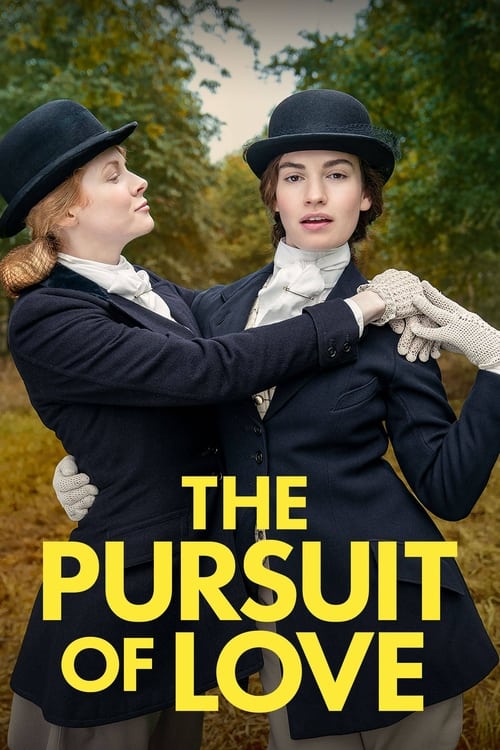
Linda Radlett, portrayed by Lily James, is driven by a deep yearning for romance and adventure. Growing up in a conservative family, she feels stifled by societal expectations and longs for a passionate love that transcends her mundane existence. Her internal conflict is evident as she navigates her relationships, particularly with her best friend Fanny, and her desire for independence clashes with her romantic aspirations.
How does Fanny Logan's character contrast with Linda Radlett's?
Fanny Logan, played by Emily Beecham, serves as a foil to Linda Radlett. While Linda is impulsive and romantic, Fanny is practical and grounded. Fanny's motivations are rooted in stability and security, often leading her to caution Linda against her reckless pursuits. This contrast highlights the different paths women can take in their search for fulfillment, with Fanny ultimately seeking a more conventional life.
What role does the backdrop of World War II play in the characters' lives?
The backdrop of World War II significantly impacts the characters' lives, shaping their relationships and choices. As the war looms, the urgency of love and the fear of loss intensify. Characters like Linda and Fanny are forced to confront the realities of their desires against the chaos of the world around them, leading to moments of both desperation and clarity in their romantic pursuits.
How does Linda's relationship with her father influence her views on love?
Linda's relationship with her father, played by Dominic West, is complex and fraught with tension. His disapproval of her romantic choices and his own flawed views on love instill in her a rebellious spirit. This dynamic fuels her desire to seek love on her own terms, often leading her to make impulsive decisions that reflect her struggle for autonomy and acceptance.
What is the significance of the character of Alfred in Linda's journey?
Alfred, portrayed by Andrew Scott, is a pivotal character in Linda's journey. He represents both the allure of unconventional love and the challenges that come with it. His relationship with Linda is marked by passion and intensity, but also by the societal pressures and expectations that threaten to tear them apart. Alfred's character embodies the complexities of love, illustrating how it can be both liberating and confining.
Is this family friendly?
"The Pursuit of Love," produced in 2021, is a period drama that explores themes of love, family, and societal expectations in the early 20th century. While it has beautiful cinematography and engaging storytelling, it does contain several elements that may not be suitable for children or sensitive viewers.
-
Sexual Content: The series includes scenes that depict romantic relationships and sexual encounters, which may be explicit in nature. These moments are integral to the characters' journeys but may be uncomfortable for younger audiences.
-
Emotional Turmoil: Characters experience significant emotional struggles, including heartbreak, disappointment, and existential crises. These themes can be heavy and may resonate deeply with sensitive viewers.
-
Family Dynamics: The portrayal of complex family relationships includes tension, conflict, and moments of betrayal, which could be distressing for some viewers.
-
Social Commentary: The show addresses issues of class, gender roles, and societal expectations, which may provoke thought but could also be challenging for younger viewers to fully understand.
-
Loss and Grief: There are moments that deal with loss and the impact of death on the characters, which can be particularly upsetting.
Overall, while "The Pursuit of Love" is visually stunning and narratively rich, its mature themes and emotional depth may not be appropriate for all audiences, especially children.