









Popular
What events led to the formation of the early Norwegian black metal scene?
Who are the key figures introduced in this episode and what are their roles in the black metal scene?
What specific incidents of violence and crime are discussed in the episode?
How does the episode portray the relationship between the musicians and the media?
What role does ideology play in the motivations of the musicians featured in this episode?
Should I watch it?
Ask Your Own Question

What is the plot?
The episode "Ingenting for Norge" opens with a dark, atmospheric introduction to the Norwegian black metal scene, showcasing the stark landscapes of Norway. The camera pans over desolate forests and icy fjords, setting a tone of isolation and intensity. The narration begins, explaining the origins of black metal in Norway, highlighting its roots in heavy metal and the cultural backdrop of the 1980s.
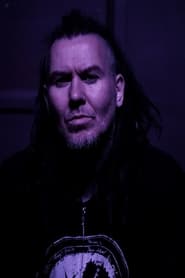
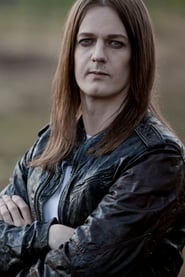
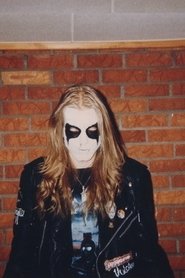
As the narrative unfolds, we are introduced to key figures in the black metal scene, including members of bands like Mayhem and Burzum. The episode delves into the early days of these bands, showcasing their raw energy and the rebellious spirit that defined their music. Interviews with band members reveal their motivations for creating music that was not just about sound but also about a lifestyle and philosophy that rejected mainstream culture.
The story shifts to the infamous concert at the Oslo venue, where the atmosphere is electric. The audience is shown moshing and engaging with the music, embodying the chaotic spirit of the genre. Tensions rise as the scene transitions to the internal conflicts within the bands, particularly focusing on the rivalry between Mayhem's frontman, Dead, and other members. Dead's struggles with mental health and his fascination with death are explored, leading to a pivotal moment where he takes his own life, shocking the community and leaving a profound impact on the band.
Following Dead's death, the episode captures the aftermath, including the reactions of his bandmates and the fans. The emotional weight of his suicide is palpable, with interviews revealing the guilt and confusion felt by those left behind. The band decides to continue, but the atmosphere is heavy with grief and a sense of foreboding.
The narrative then shifts to the rise of Varg Vikernes, the mastermind behind Burzum. His ideology and approach to music are examined, showcasing his disdain for the commercialization of metal and his embrace of pagan themes. Varg's character is portrayed as both charismatic and deeply troubled, leading to his eventual estrangement from the other members of the black metal community.
As tensions escalate, the episode details the infamous church burnings that rocked Norway in the early 1990s. The camera captures the flames consuming historic churches, interspersed with interviews from those involved. The motivations behind these acts are explored, with some viewing them as a form of rebellion against Christianity and others as misguided acts of violence. The emotional turmoil surrounding these events is evident, as the community grapples with the consequences of their actions.
The climax of the episode centers around the murder of Mayhem's guitarist, Euronymous, by Varg Vikernes. The scene is depicted with chilling detail, showcasing the betrayal and violence that culminates in Euronymous's death. The episode captures the chaotic moments leading up to the murder, including Varg's internal conflict and the final confrontation that leads to the stabbing. The aftermath is portrayed with stark realism, highlighting the shockwaves felt throughout the black metal scene.
In the closing moments, the episode reflects on the legacy of these events, with interviews from various figures in the music industry discussing the impact of the Norwegian black metal scene on global music culture. The emotional weight of the story lingers, leaving viewers with a sense of the darkness and complexity that defined this chapter in music history. The final shots return to the haunting landscapes of Norway, underscoring the isolation and intensity that shaped the lives of those involved in this tumultuous era.





What is the ending?
In the ending of "Ingenting for Norge," the episode culminates in a reflection on the chaos and violence that has enveloped the Norwegian black metal scene. The narrative closes with a sense of unresolved tension, as the characters grapple with the consequences of their actions, particularly the impact of the church burnings and the tragic events surrounding the lives of the musicians involved.
As the episode unfolds towards its conclusion, the camera shifts to a series of somber interviews with key figures in the black metal scene. The atmosphere is heavy, filled with a palpable sense of regret and loss. The musicians, once filled with youthful rebellion and fervor, now confront the aftermath of their choices.
The scene transitions to a dimly lit room where Varg Vikernes reflects on his actions, particularly the burning of churches, which he justifies as a form of artistic expression. His demeanor is cold and detached, revealing a man who has become increasingly isolated in his beliefs. The camera captures the flicker of candlelight, casting shadows that dance across his face, symbolizing the darkness that has enveloped his life.
Next, the narrative shifts to a montage of archival footage showcasing the aftermath of the violence that erupted within the community. Images of burned churches and news reports flash across the screen, underscoring the real-world consequences of the black metal lifestyle. The haunting sound of church bells tolling in the background adds to the somber tone, evoking a sense of mourning for what has been lost.
The episode then focuses on the fate of Euronymous, portrayed as a tragic figure whose ambition ultimately leads to his demise. As the story reaches its climax, the tension between him and Varg escalates, culminating in a confrontation that results in Euronymous's murder. The scene is depicted with stark realism, capturing the raw emotions of betrayal and violence. The camera lingers on the aftermath, emphasizing the shock and horror that reverberates through the community.
In the final moments, the episode reflects on the legacy of the Norwegian black metal scene. Interviews with surviving members reveal a mix of nostalgia and regret, as they ponder the impact of their actions on their lives and the lives of others. The screen fades to black, leaving viewers with a haunting sense of the darkness that has permeated the music and the lives of those who created it.
Ultimately, the episode concludes without resolution, highlighting the ongoing conflict within the black metal community and the personal struggles of its key figures. The fate of Varg Vikernes remains one of isolation and infamy, while Euronymous's tragic end serves as a cautionary tale of ambition gone awry. The episode leaves viewers contemplating the fine line between art and destruction, and the heavy toll that comes with a life lived on the edge.
Is there a post-credit scene?
In the episode "Ingenting for Norge" of "Hell: The History of Norwegian Black Metal," there is no post-credit scene. The episode concludes with a powerful summary of the themes and events discussed throughout, focusing on the rise of the black metal scene in Norway, the cultural impact, and the darker elements that emerged alongside it. The final moments leave viewers with a sense of the ongoing legacy of the genre, but there are no additional scenes or content after the credits roll.
What events led to the formation of the early Norwegian black metal scene?
The episode delves into the origins of the Norwegian black metal scene, highlighting the pivotal moments and key figures that contributed to its formation. It explores the influence of earlier metal bands, the cultural backdrop of Norway in the early 1990s, and the sense of rebellion among young musicians.
Who are the key figures introduced in this episode and what are their roles in the black metal scene?
The episode introduces several key figures, including Varg Vikernes, the frontman of Burzum, and members of bands like Mayhem and Darkthrone. It details their contributions to the music, their ideologies, and the interpersonal dynamics that shaped the scene.
What specific incidents of violence and crime are discussed in the episode?
The episode recounts several notorious incidents, including church burnings and violent confrontations among band members. It provides a visceral account of how these events escalated the notoriety of the black metal scene and affected its members.
How does the episode portray the relationship between the musicians and the media?
The episode examines the complex relationship between the black metal musicians and the media, showcasing how sensationalist coverage both fueled the scene's notoriety and misrepresented the artists' intentions and beliefs.
What role does ideology play in the motivations of the musicians featured in this episode?
The episode explores the ideological motivations of the musicians, particularly focusing on themes of anti-Christian sentiment, paganism, and the desire for authenticity in their art. It reveals how these beliefs influenced their music and actions.
Is this family friendly?
"Hell: The History of Norwegian Black Metal," particularly in its first episode "Ingenting for Norge," is not family-friendly. The episode delves into the dark and controversial aspects of the black metal scene in Norway, which includes:
-
Graphic Imagery: The episode features visuals that may include disturbing imagery related to the themes of death, violence, and anti-religious sentiments, which can be unsettling for younger viewers.
-
Violent Themes: Discussions around violence, including references to church burnings and other criminal activities associated with the black metal scene, may be distressing.
-
Substance Use: There are references to drug and alcohol use, which may not be appropriate for children.
-
Dark Subject Matter: The exploration of themes such as nihilism, depression, and existential angst can be heavy and potentially upsetting for sensitive viewers.
-
Strong Language: The use of explicit language and harsh expressions may be frequent, which is not suitable for a younger audience.
Overall, the episode presents a raw and unfiltered look at a subculture that embraces themes of darkness and rebellion, making it more suitable for mature audiences.









