


















Popular
What powers do the main characters, Nancy, Bonnie, and Rochelle, possess in The Craft?
How does Sarah's relationship with her powers differ from that of Nancy, Bonnie, and Rochelle?
What is the significance of the character Manon in The Craft?
How does Nancy's character evolve throughout the film?
What role does the character Chris play in Sarah's story arc?
Should I watch it?
Ask Your Own Question

What is the plot?
Sorry, we aren't able to watch and write up a full detailed plot yet. Check back in a few days.



What is the ending?
In the ending of "The Craft," Sarah confronts her friends after they become increasingly dangerous with their powers. After a climactic battle, she uses her own magic to defeat Nancy, who has become unstable and power-hungry. The film concludes with Sarah reclaiming her life, while Nancy is left in a state of despair.
As the film approaches its climax, the tension among the four girls--Sarah, Nancy, Bonnie, and Rochelle--reaches a breaking point. The once tight-knit group begins to fracture under the weight of jealousy, ambition, and the corrupting influence of power.
Scene 1: The Confrontation The scene opens in the dimly lit school hallway, where Sarah, feeling the weight of her friends' growing darkness, decides to confront Nancy. Nancy, now fully consumed by her powers, has become erratic and dangerous. The atmosphere is thick with tension as Sarah stands her ground, her heart racing with fear and determination. She knows she must act to protect herself and those around her.
Scene 2: The Showdown The confrontation escalates as Nancy, fueled by her jealousy and rage, challenges Sarah. The two engage in a fierce magical duel, their powers clashing in a whirlwind of energy. The air crackles with electricity, and the ground trembles beneath them. Sarah, drawing on her inner strength, channels her magic to counter Nancy's dark spells. The visual effects are striking, with flashes of light and shadow representing the battle between good and evil.
Scene 3: The Turning Point As the duel intensifies, Sarah recalls the lessons she learned about the balance of power and the importance of using magic responsibly. In a moment of clarity, she realizes that she must not only defend herself but also reach out to the remnants of the friendship they once shared. With a surge of emotion, she calls upon the strength of their bond, attempting to break through Nancy's madness.
Scene 4: Nancy's Downfall In a final, desperate act, Nancy unleashes her full power, but Sarah counters with a spell that reflects Nancy's own darkness back at her. The energy explodes in a blinding flash, and Nancy is thrown back, her power dissipating. The scene is filled with dramatic visuals as Nancy, once so confident and powerful, is left vulnerable and defeated. The camera captures her expression of despair as she realizes the consequences of her actions.
Scene 5: The Aftermath With Nancy subdued, the remaining girls--Bonnie and Rochelle--look on in shock. They are left to grapple with the fallout of their choices. Sarah, now free from the toxic influence of her friends, walks away from the chaos, her heart heavy but resolute. She has reclaimed her life and her sense of self, having learned the importance of responsibility and the dangers of unchecked ambition.
Scene 6: Nancy's Fate The film closes with a haunting image of Nancy, now alone and broken, wandering the empty halls of the school. Her once vibrant spirit is extinguished, leaving her a shell of her former self. The camera lingers on her face, capturing the pain of loss and the consequences of her thirst for power.
In the final moments, Sarah is seen moving forward with her life, a sense of peace washing over her as she embraces her individuality. The film ends on a note of caution, reminding viewers of the delicate balance between power and responsibility, and the importance of true friendship.
Is there a post-credit scene?
The movie "The Craft," produced in 1996, does not have a post-credit scene. The film concludes with a climactic resolution to the characters' arcs and the events that unfold throughout the story. After the final confrontation between the main characters, Sarah, Nancy, Bonnie, and Rochelle, the film ends without any additional scenes or content during or after the credits. The focus remains on the themes of power, friendship, and the consequences of their actions, leaving the audience with a sense of closure regarding the characters' journeys.
What powers do the main characters, Nancy, Bonnie, and Rochelle, possess in The Craft?
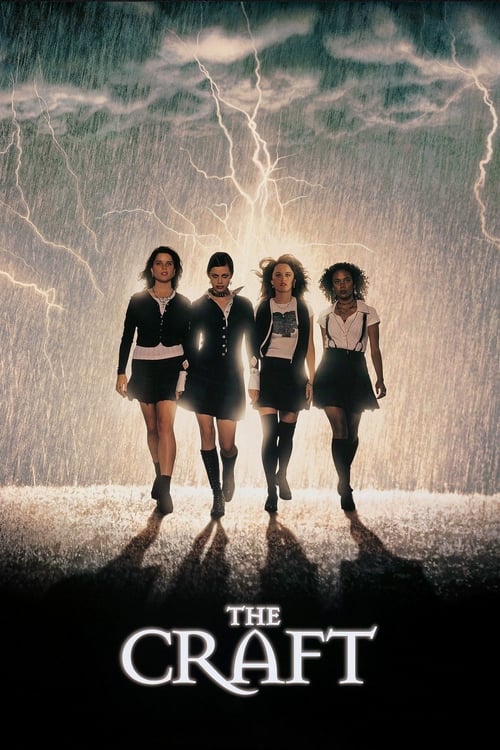
In The Craft, Nancy, Bonnie, and Rochelle each develop unique powers as they delve deeper into witchcraft. Nancy, portrayed by Fairuza Balk, gains the ability to manipulate reality and control the elements, particularly fire, showcasing her intense emotional state and desire for power. Bonnie, played by Neve Campbell, initially struggles with self-image issues but gains the ability to heal her scars and enhance her physical appearance, reflecting her internal journey towards self-acceptance. Rochelle, portrayed by Rachel True, acquires the power to inflict harm on those who have wronged her, particularly targeting a racist classmate, which highlights her struggle against prejudice and her quest for empowerment.
How does Sarah's relationship with her powers differ from that of Nancy, Bonnie, and Rochelle?
Sarah, played by Robin Tunney, has a more complex relationship with her powers compared to Nancy, Bonnie, and Rochelle. While the other girls embrace their newfound abilities with enthusiasm, Sarah is initially hesitant and cautious. She possesses innate powers of her own, which are revealed to be stronger than those of her friends. However, Sarah's motivations are rooted in a desire for acceptance and love, stemming from her troubled past and the loss of her mother. As the story progresses, she becomes increasingly aware of the dangers of their practices, especially as Nancy's obsession with power spirals out of control, leading Sarah to ultimately reject the dark path the group is taking.
What is the significance of the character Manon in The Craft?
Manon is a pivotal figure in The Craft, representing the source of the girls' powers and the embodiment of their desires. The character is invoked by the girls during their rituals, symbolizing their connection to a higher force and the potential consequences of their actions. Nancy, in particular, becomes obsessed with Manon, believing that she is favored by him, which fuels her descent into darkness. The significance of Manon lies in the duality of power; while he grants them abilities, he also serves as a reminder of the responsibility that comes with such power, ultimately leading to the group's downfall as they lose sight of their original intentions.
How does Nancy's character evolve throughout the film?
Nancy's character undergoes a dramatic transformation throughout The Craft. Initially introduced as an outsider seeking acceptance, she quickly rises to a position of power within the group after discovering her affinity for witchcraft. As she gains confidence and control over her abilities, her personality shifts from a vulnerable girl to a domineering figure, driven by a desire for power and revenge. This evolution is marked by her increasingly erratic behavior, particularly after she uses her powers to exact revenge on those who have wronged her. Ultimately, her descent into madness culminates in a confrontation with Sarah, showcasing the dangers of unchecked ambition and the loss of her moral compass.
What role does the character Chris play in Sarah's story arc?
Chris, portrayed by Skeet Ulrich, plays a crucial role in Sarah's story arc in The Craft. Initially, he is infatuated with Sarah, which provides her with a sense of validation and belonging. However, as Sarah becomes more involved with the witchcraft practices, Chris's interest shifts, and he begins to objectify her, leading to a betrayal that deeply affects Sarah. His rejection and the subsequent manipulation by Nancy serve as catalysts for Sarah's internal conflict, pushing her to confront the darker aspects of her powers and the consequences of her friendships. Chris's character ultimately highlights the themes of love, betrayal, and the struggle for self-identity that Sarah navigates throughout the film.
Is this family friendly?
"The Craft," produced in 1996, is not considered family-friendly due to several potentially objectionable or upsetting scenes and themes. Here are some aspects that may be concerning for children or sensitive viewers:
-
Occult Themes: The film revolves around witchcraft and the practice of magic, which may be unsettling for some viewers, especially younger audiences.
-
Violence: There are scenes that depict physical confrontations and emotional manipulation, including bullying and revenge tactics that can be intense.
-
Self-Harm: One character engages in self-harm, which is portrayed in a serious context and may be distressing for sensitive viewers.
-
Substance Use: There are references to drug use and underage drinking, which may not be appropriate for younger audiences.
-
Sexual Content: The film includes suggestive themes and situations that may not be suitable for children.
-
Emotional Turmoil: Characters experience significant emotional struggles, including feelings of isolation, betrayal, and anger, which may resonate deeply and be upsetting.
-
Death and Harm: The film includes themes of death and the consequences of using magic, which can be dark and unsettling.
These elements contribute to the film's mature rating and may not be suitable for all viewers, particularly children.









