










Popular
What role does John O'Neill play in the events leading up to 9/11?
How does the relationship between John O'Neill and Ali Soufan evolve throughout the series?
What are the key events that lead to the FBI's failure to prevent the 9/11 attacks?
How does the character of Osama bin Laden influence the actions of the main characters?
What is the significance of the relationship between the FBI and CIA as depicted in the series?
Should I watch it?
Ask Your Own Question

What is the plot?
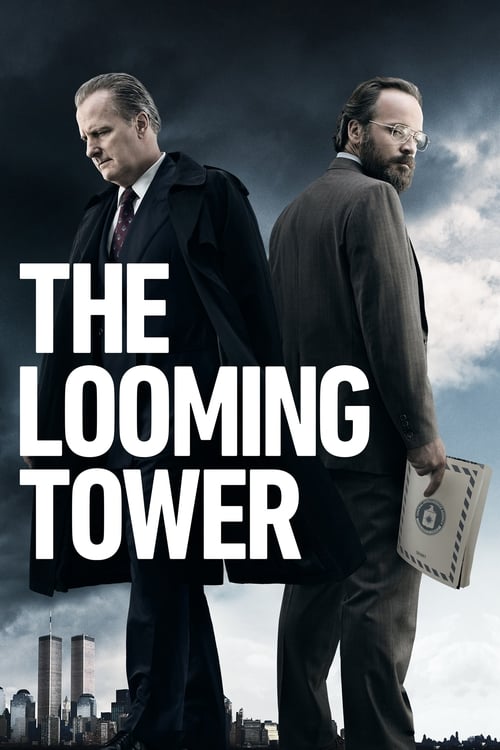
The Looming Tower begins in the late 1990s, focusing on the growing threat of al-Qaeda and the internal conflicts within U.S. intelligence agencies. The narrative primarily follows two key figures: John O'Neill, the head of the FBI's counterterrorism unit, and Ali Soufan, a young FBI agent of Lebanese descent. The story opens with O'Neill's frustration over the lack of urgency in addressing the al-Qaeda threat, as he believes that the agency is not taking the situation seriously enough.
As the plot unfolds, O'Neill is shown to be deeply passionate about his work, often clashing with his superiors. He is portrayed as a man driven by a sense of duty, but also as someone who struggles with personal demons, including his tumultuous relationships and a recent divorce. His determination to prevent a terrorist attack leads him to pursue leads on al-Qaeda, particularly focusing on Osama bin Laden.
Simultaneously, Ali Soufan is introduced as a skilled interrogator who is also deeply committed to his work. He is depicted as a man who understands the nuances of Arab culture and language, which gives him an edge in his investigations. Soufan's character is marked by a sense of idealism and a desire to protect his country, but he also faces challenges due to the bureaucratic nature of the FBI and the lack of cooperation between agencies.
The narrative shifts to the events leading up to the 1998 U.S. embassy bombings in Kenya and Tanzania. O'Neill and Soufan work to connect the dots between various pieces of intelligence, but they encounter significant obstacles. O'Neill's aggressive approach often puts him at odds with the CIA, particularly with his counterpart, Michael Scheuer, who is more focused on covert operations than on sharing information. This rivalry highlights the fragmentation within U.S. intelligence and the missed opportunities for collaboration.
As the embassy bombings occur, the devastation is portrayed with harrowing detail. The explosions result in hundreds of casualties, and the aftermath reveals the scale of al-Qaeda's operations. O'Neill and Soufan are shown grappling with the emotional toll of the attacks, as they realize that their warnings went unheeded. This moment serves as a turning point for both characters, intensifying their resolve to dismantle al-Qaeda.
In the wake of the bombings, O'Neill is forced to resign from the FBI due to his controversial methods and the political fallout from the attacks. He takes a position at the World Trade Center's security office, where he continues to pursue leads on al-Qaeda. His character arc reflects a sense of isolation as he becomes increasingly frustrated with the bureaucratic limitations that hinder his efforts.
Meanwhile, Soufan remains at the FBI and continues to investigate al-Qaeda. He is involved in the interrogation of captured terrorists, where he employs his cultural understanding to extract valuable information. However, he faces challenges as the FBI's approach to interrogation becomes more aggressive, leading to ethical dilemmas and internal conflicts.
The narrative builds towards the events of September 11, 2001. As O'Neill and Soufan work independently, the tension escalates. O'Neill is depicted as being acutely aware of the impending threat, but his warnings are often dismissed. The show captures the frantic atmosphere leading up to the attacks, with both characters feeling a sense of urgency and dread.
On the morning of September 11, the attacks unfold with shocking intensity. The scenes depict the chaos and confusion as planes crash into the World Trade Center and the Pentagon. O'Neill, who is at the World Trade Center, is shown rushing to help evacuate people, embodying his commitment to saving lives despite the overwhelming circumstances. Soufan, on the other hand, is portrayed as grappling with the realization that the intelligence failures have led to this catastrophic event.
In the aftermath of the attacks, the narrative explores the fallout within the intelligence community. O'Neill's character is shown grappling with the weight of his failures, while Soufan faces the challenges of navigating a changed landscape in counterterrorism. The series concludes with a sense of unresolved tension, highlighting the ongoing struggle against terrorism and the complexities of intelligence work. The final scenes emphasize the personal and professional sacrifices made by those in the fight against al-Qaeda, leaving viewers with a poignant reflection on the events that transpired.







What is the ending?
In the ending of "The Looming Tower," the series culminates in the tragic events of September 11, 2001. The narrative follows the lead-up to the attacks, showcasing the failures of intelligence agencies to prevent the tragedy. Key characters, including John O'Neill, are depicted grappling with their roles in the unfolding crisis. The series concludes with the aftermath of the attacks, highlighting the personal and professional losses experienced by the characters.
As the final episodes unfold, the tension builds as the audience witnesses the increasing threat posed by al-Qaeda. John O'Neill, portrayed as a dedicated and passionate FBI agent, is shown in a state of urgency, driven by his desire to thwart the impending disaster. He is depicted as increasingly frustrated with the bureaucratic obstacles that hinder effective communication and collaboration between the FBI and CIA. His character embodies the struggle against institutional inertia, and his emotional state reflects a mix of determination and despair.
In a pivotal scene, O'Neill is seen in a meeting with his colleagues, where he expresses his concerns about the growing threat of terrorism. His passion is palpable, and the weight of his responsibility hangs heavily on him. He is aware that time is running out, and the stakes are higher than ever. The audience can feel his desperation as he tries to rally support for a more aggressive approach to counterterrorism.
Simultaneously, the series intercuts with scenes of Osama bin Laden and his followers, illustrating their commitment to their cause. The juxtaposition of O'Neill's frantic efforts and the calm determination of the terrorists creates a sense of impending doom. The narrative builds tension as the clock ticks down to the fateful day.
On September 11, 2001, the attacks unfold in a series of harrowing scenes. The camera captures the chaos and confusion as planes crash into the World Trade Center. The emotional weight of the moment is felt through the reactions of the characters, particularly O'Neill, who is shown in a state of shock and disbelief as he watches the events unfold on television. His character arc reaches a tragic climax as he realizes the magnitude of the failure to prevent the attacks.
In the aftermath, the series depicts the profound impact of the tragedy on the characters. O'Neill, who had been so dedicated to preventing such an event, is left grappling with the loss of life and the realization that his efforts were in vain. His fate is sealed as he perished in the attacks, a poignant reminder of the personal sacrifices made by those in the line of duty.
The series concludes with a somber reflection on the consequences of the events. The characters are left to confront the reality of their failures and the new world that emerges in the wake of the attacks. The emotional resonance of the ending lingers, emphasizing the human cost of the conflict and the complexities of the characters' motivations throughout the series.
Is there a post-credit scene?
The Looming Tower does not have a post-credit scene. The series concludes with its final episode, wrapping up the intense narrative surrounding the events leading up to the September 11 attacks. The focus remains on the characters and their journeys throughout the series, emphasizing the tragic consequences of their actions and the failures of intelligence agencies. The ending leaves viewers with a somber reflection on the impact of terrorism and the complexities of the relationships between the key figures involved.
What role does John O'Neill play in the events leading up to 9/11?
John O'Neill, portrayed by Jeff Daniels, is a central character in 'The Looming Tower.' As the head of the FBI's counterterrorism unit, he is deeply committed to preventing terrorist attacks, particularly those orchestrated by al-Qaeda. O'Neill's relentless pursuit of leads regarding Osama bin Laden and his frustration with bureaucratic obstacles highlight his determination and the urgency of the threat. His character is driven by a personal sense of duty, often putting his career and relationships at risk in his quest to thwart impending attacks.
How does the relationship between John O'Neill and Ali Soufan evolve throughout the series?
The relationship between John O'Neill and Ali Soufan, played by Tahar Rahim, is complex and evolves significantly throughout the series. Initially, O'Neill sees Soufan as a valuable asset due to his linguistic skills and understanding of Islamic culture. As they work together, O'Neill's mentorship becomes evident, with Soufan admiring O'Neill's tenacity. However, tensions arise as Soufan becomes increasingly aware of the bureaucratic limitations and the lack of cooperation between agencies, which O'Neill struggles against. Their dynamic reflects the broader challenges faced by those trying to combat terrorism in a fragmented system.
What are the key events that lead to the FBI's failure to prevent the 9/11 attacks?
Key events leading to the FBI's failure to prevent the 9/11 attacks include the internal conflicts within the agency, the lack of information sharing between the FBI and CIA, and the missed opportunities to act on intelligence regarding al-Qaeda's plans. The series illustrates specific moments, such as the inability to connect the dots from various intelligence reports and the dismissal of critical leads due to bureaucratic red tape. These failures are compounded by the personal struggles of characters like O'Neill, who is depicted as fighting against a system that often prioritizes protocol over proactive measures.
How does the character of Osama bin Laden influence the actions of the main characters?
Osama bin Laden, though not physically present in the series, looms large over the actions of the main characters, particularly John O'Neill and Ali Soufan. Bin Laden's ideology and the threat he represents drive O'Neill's obsession with capturing him, while Soufan's investigations reveal the depth of al-Qaeda's network. The fear and urgency surrounding bin Laden's plans create a palpable tension, influencing O'Neill's decisions and pushing Soufan to navigate the complexities of counterterrorism. The series portrays bin Laden as a shadowy figure whose influence catalyzes the characters' motivations and actions.
What is the significance of the relationship between the FBI and CIA as depicted in the series?
The relationship between the FBI and CIA is depicted as fraught with tension and mistrust, significantly impacting the narrative of 'The Looming Tower.' The series highlights key moments where the lack of collaboration and information sharing between the two agencies leads to critical failures in understanding and responding to the al-Qaeda threat. Characters like O'Neill express frustration over the CIA's secretive nature and the bureaucratic barriers that prevent effective communication. This dynamic serves to illustrate the systemic issues that hinder national security efforts, ultimately contributing to the tragic events of 9/11.
Is this family friendly?
"The Looming Tower," produced in 2018, is a dramatic miniseries that delves into the events leading up to the September 11 attacks and the complexities of the U.S. intelligence community. While it offers a compelling narrative, it contains several elements that may not be suitable for children or sensitive viewers.
-
Violence and Terrorism: The series includes depictions of violence related to terrorism, including discussions of attacks and their aftermath, which can be distressing.
-
Death and Grief: There are scenes that portray the emotional impact of loss, including the deaths of key characters and the grief experienced by their families.
-
Intense Emotional Conflict: Characters experience significant internal struggles, including fear, paranoia, and moral dilemmas, which may be heavy for younger audiences.
-
Political and Religious Tensions: The show explores complex themes of political and religious extremism, which may be challenging for children to understand.
-
Mature Language: The dialogue includes strong language and adult themes that may not be appropriate for younger viewers.
Overall, the series is more suited for mature audiences due to its serious subject matter and emotional weight.