



Popular
What role does Prince William play in the dynamics of the royal family as depicted in the show?
How does the show depict the relationship between Prince Harry and Meghan Markle?
What insights does the show provide about Princess Anne's character and her role in the royal family?
How does the show explore the relationship between the Queen and her children?
What challenges does Prince Charles face in his role as heir apparent in the series?
Should I watch it?
Ask Your Own Question

What is the plot?
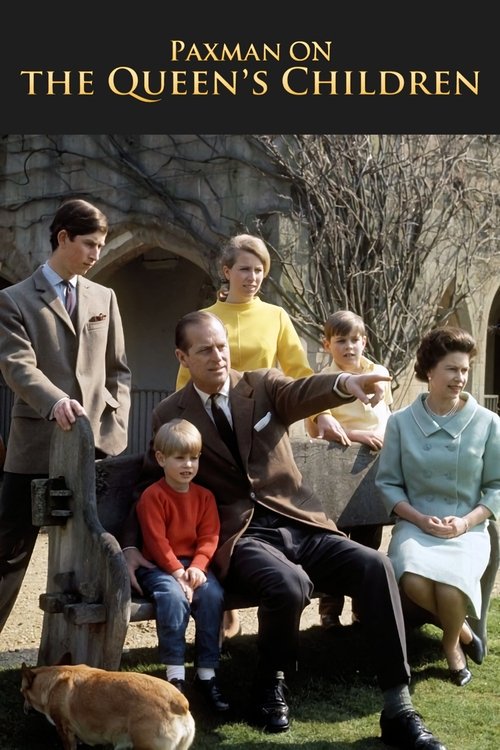
In "Paxman on the Queen's Children," the narrative begins with Jeremy Paxman introducing the royal family, focusing on the lives of Queen Elizabeth II's children. The documentary sets the stage by providing historical context about the monarchy and the expectations placed upon the royal family. Paxman highlights the contrasting personalities of the Queen's children, emphasizing their individual struggles with public life and personal identity.
The first major focus is on Charles, Prince of Wales. Paxman delves into Charles's early life, showcasing his education at Gordonstoun and his subsequent experiences at Cambridge. The documentary captures his internal conflict between duty and personal desires, particularly his passion for architecture and the environment. Key moments include his tumultuous relationship with Diana, Princess of Wales, which is explored through archival footage and interviews. The emotional weight of their marriage, marked by public scrutiny and private turmoil, is vividly portrayed, culminating in their separation and eventual divorce.
Next, the narrative shifts to Anne, Princess Royal. Paxman presents Anne as a strong-willed and independent figure, often overshadowed by her brothers. The documentary highlights her equestrian achievements and her dedication to charitable work. A significant moment occurs when Paxman discusses her marriage to Captain Mark Phillips and the challenges they faced, including their eventual divorce. The emotional impact of her choices is illustrated through personal anecdotes and reflections from Anne herself, showcasing her resilience in the face of adversity.
The focus then turns to Andrew, Duke of York. Paxman examines Andrew's military career and his role as a royal representative. The documentary addresses the controversies surrounding his friendship with Jeffrey Epstein, providing a detailed account of the public backlash and its effects on Andrew's reputation. Key decisions, such as stepping back from royal duties, are explored, revealing Andrew's struggle to navigate the fallout from these events. The emotional toll of the scandal is palpable, as Andrew grapples with his identity and responsibilities.
Finally, the narrative addresses Edward, Earl of Wessex. Paxman portrays Edward as the least publicized of the Queen's children, often seen as the quiet one. The documentary highlights his work in the arts and his commitment to the Duke of Edinburgh's Award. A pivotal moment occurs when Edward discusses his decision to take on more royal duties following the retirement of his father, Prince Philip. This decision reflects his desire to support the monarchy while also carving out his own path.
Throughout the documentary, Paxman intersperses commentary with interviews from royal experts and historians, providing a comprehensive view of the Queen's children. The emotional landscape of each child's journey is intricately woven into the narrative, showcasing their struggles, triumphs, and the weight of their royal heritage. The documentary concludes with reflections on the future of the monarchy and the evolving roles of the Queen's children, leaving viewers with a sense of the ongoing challenges they face in a modern context.









What is the ending?
In the ending of "Paxman on the Queen's Children," the documentary culminates in a reflective examination of the lives of the Queen's children, particularly focusing on their struggles with public perception and personal identity. The film concludes with a sense of acceptance and understanding of their roles within the royal family, highlighting their individual journeys and the complexities of their relationships with each other and their mother, Queen Elizabeth II.
As the final scenes unfold, the camera captures the serene yet somber atmosphere of Buckingham Palace. The sun sets behind the iconic structure, casting long shadows that symbolize the weight of tradition and expectation that the Queen's children have carried throughout their lives.
The first scene features Prince Charles, who is seen walking through the gardens of Highgrove. His expression is contemplative, reflecting on his future as the heir to the throne. He speaks candidly about the pressures of royal duty and his desire to modernize the monarchy. The camera lingers on his face, capturing the lines of worry and determination etched into his features. He expresses a sense of hope for the future, indicating that he wishes to balance tradition with the changing times.
Next, the film shifts to Princess Anne, who is engaged in her charitable work. The scene is vibrant, filled with the sounds of laughter and the bustle of activity. Anne's demeanor is practical and no-nonsense, showcasing her dedication to her causes. As she interacts with the people she helps, her warmth and commitment shine through. The camera captures her genuine smile, revealing her passion for service and her desire to make a difference, even as she grapples with her place in the royal hierarchy.
The narrative then transitions to Prince Andrew, who is seen in a more subdued setting, reflecting on his past controversies. The tone shifts as he discusses the challenges he has faced, particularly in light of public scrutiny. His vulnerability is palpable, and the camera captures moments of silence as he contemplates his future. The weight of his decisions hangs heavily in the air, and he expresses a longing for redemption and a desire to reconnect with his family.
Finally, the film focuses on Prince Edward and Sophie, the Countess of Wessex. They are shown in a candid moment at home, sharing a light-hearted conversation. Their laughter contrasts sharply with the earlier scenes, illustrating a sense of unity and support within their family. Edward speaks about the importance of family bonds and the strength they draw from one another, emphasizing the love that persists despite the challenges they face.
As the documentary draws to a close, the screen fades to black, and the final words echo the theme of resilience and acceptance. Each of the Queen's children is left with a sense of purpose, having navigated their individual paths while remaining connected to their royal heritage. The film ends on a note of hope, suggesting that while their lives are intertwined with the monarchy's legacy, they are also defined by their personal journeys and the relationships they cherish.
Is there a post-credit scene?
In the 2019 documentary series "Paxman on the Queen's Children," there is no post-credit scene. The series concludes with a reflective summary of the themes explored throughout the episodes, focusing on the lives and challenges faced by the Queen's children. The final moments emphasize the complexities of royal life, the balance between duty and personal desires, and the enduring legacy of the monarchy. The absence of a post-credit scene allows viewers to contemplate the insights shared without additional distractions, leaving a lasting impression of the royal family's dynamics.
What role does Prince William play in the dynamics of the royal family as depicted in the show?
In 'Paxman on the Queen's Children', Prince William is portrayed as a stabilizing force within the royal family. His character grapples with the expectations of royal duty while also trying to carve out a modern identity for himself. The show highlights his internal conflict between tradition and the desire for a more relatable public persona, especially in contrast to his brother, Prince Harry.
How does the show depict the relationship between Prince Harry and Meghan Markle?
The series delves into the complexities of Prince Harry and Meghan Markle's relationship, showcasing their deep bond and shared desire for independence from royal constraints. Emotional scenes reveal Harry's protective nature towards Meghan, especially as they face public scrutiny and media pressure. The show captures their struggles with identity and belonging, emphasizing their commitment to each other amidst the challenges they encounter.
What insights does the show provide about Princess Anne's character and her role in the royal family?
Princess Anne is depicted as a no-nonsense, hardworking member of the royal family, often seen engaging in charity work and public duties with a sense of duty and determination. The show highlights her pragmatic approach to royal life, contrasting with the more glamorous portrayals of her siblings. Her fierce independence and dedication to her causes are emphasized, showcasing her as a strong, resilient figure within the monarchy.
How does the show explore the relationship between the Queen and her children?
The series intricately explores the Queen's relationship with her children, revealing a blend of affection and the weight of royal expectations. Emotional scenes depict her struggles to balance her role as a mother with her duties as monarch. The show highlights moments of vulnerability, where the Queen reflects on her parenting choices and the impact of her reign on her children's lives, showcasing her deep love and concern for their well-being.
What challenges does Prince Charles face in his role as heir apparent in the series?
In 'Paxman on the Queen's Children', Prince Charles is portrayed as a man burdened by the weight of expectation as the heir apparent. The show captures his internal struggles with public perception and his desire to modernize the monarchy. Emotional scenes depict his frustrations with the media and his longing for acceptance, as he navigates the complexities of royal duty while trying to advocate for causes he is passionate about.
Is this family friendly?
"Paxman on the Queen's Children" is a documentary that explores the lives and experiences of the children of Queen Elizabeth II. While the show is primarily informative and historical, there are a few aspects that may be considered potentially objectionable or upsetting for children or sensitive viewers:
-
Discussion of Family Struggles: The documentary touches on the personal challenges and pressures faced by the royal family, including themes of duty versus personal happiness, which may be complex for younger viewers to understand.
-
Historical Context of Tragedy: There are references to significant events in British history that have impacted the royal family, including the death of Princess Diana. The emotional weight of these discussions may be heavy for some viewers.
-
Media Scrutiny: The show addresses the intense media scrutiny that the royal family endures, which can lead to discussions about privacy invasion and public judgment, potentially distressing for sensitive viewers.
-
Emotional Interviews: Some interviews with family members may evoke strong emotions as they reflect on their experiences, which could be poignant or upsetting for younger audiences.
Overall, while the documentary is educational and offers insights into royal life, the emotional depth and historical context may require parental guidance for younger viewers.