














Popular
What motivates the character of Frank Dunne throughout the series?
How does the relationship between Frank Dunne and Billy Stokes develop?
What role does the character of Arthur 'Art' Dunne play in Frank's journey?
How does the series depict the impact of war on the soldiers' mental health?
What events lead to the pivotal moment of the ANZAC landing at Gallipoli?
Should I watch it?
Ask Your Own Question

What is the plot?
The story begins in Australia in 1915, where we are introduced to a group of young men, including the central character, Thomas "Tolly" Johnson. Tolly is a spirited and adventurous young man who is eager to join the war effort. He shares a close bond with his brother, Edward, who is more hesitant about enlisting. Their mother, worried about the war, tries to dissuade them, but the allure of adventure and patriotism prevails. Tolly and Edward ultimately decide to enlist together, driven by a sense of duty and the desire to prove themselves.
As they arrive at the training camp, Tolly and Edward meet other recruits, including the charismatic and confident soldier, "Digger" and the more reserved, yet determined, soldier, "Mick." The training is rigorous, and the recruits face physical and emotional challenges. Tolly struggles with the harsh realities of military life but finds camaraderie with his fellow soldiers. The bond between the men deepens as they share their hopes and fears about the war.
After completing their training, the men are shipped off to Gallipoli. The journey is fraught with tension, as they are aware of the dangers that lie ahead. Upon arrival, they are met with the chaotic and brutal conditions of the battlefield. The soldiers quickly realize that the romanticized notions of war do not match the grim reality they face. Tolly witnesses the horrors of combat, including the loss of fellow soldiers, which deeply affects him.
As the campaign progresses, the men are involved in several key battles. During one significant confrontation, Tolly and his comrades are ordered to charge the enemy positions. The scene is chaotic, with gunfire and explosions all around. Tolly's heart races as he runs alongside his friends, driven by adrenaline and fear. They face heavy casualties, and Tolly is forced to confront the fragility of life as he watches his friends fall.
In the midst of the fighting, Tolly receives a letter from home, which brings a mix of comfort and pain. He learns about the impact of the war on his family, particularly his mother's distress over the loss of her sons. This news weighs heavily on Tolly, fueling his desire to survive and return home. He becomes more determined to protect his brother Edward, who is increasingly affected by the violence around them.
As the situation at Gallipoli deteriorates, the soldiers face not only enemy fire but also the harsh conditions of the environment. Food and supplies become scarce, and the men suffer from illness and exhaustion. Tolly's internal struggle intensifies as he grapples with the futility of their situation. He begins to question the purpose of the war and the sacrifices being made.
In a pivotal moment, Tolly and his unit are ordered to undertake a dangerous mission to capture a strategic position. The plan is fraught with risks, and Tolly is torn between his loyalty to his comrades and his growing sense of despair. During the mission, they encounter fierce resistance, and the battle escalates into chaos. Tolly makes a split-second decision to help a wounded comrade, which puts him in jeopardy but also solidifies his role as a protector.
As the campaign continues, the toll of war becomes unbearable. Tolly witnesses the death of Edward during a particularly brutal skirmish. The loss shatters him, and he is consumed by grief and guilt. He feels responsible for not being able to save his brother, and this moment marks a turning point in his character. Tolly's emotional state deteriorates as he struggles to cope with the trauma of war and the loss of his loved ones.
In the final act, the situation at Gallipoli becomes increasingly dire, and the decision is made to evacuate the troops. Tolly, now a changed man, reflects on the experiences that have shaped him. The evacuation is chaotic, with soldiers scrambling to escape the battlefield. Tolly's journey culminates in a desperate attempt to survive as he navigates the chaos of retreat. He is haunted by memories of his fallen comrades and the sacrifices made throughout the campaign.
The series concludes with Tolly's return to Australia, where he is met with a mix of relief and sorrow. He grapples with the emotional scars of war and the impact it has had on his life. The final scenes depict Tolly's struggle to reintegrate into civilian life, highlighting the lasting effects of his experiences at Gallipoli. The story ends on a poignant note, emphasizing the personal cost of war and the enduring memories of those who fought.




What is the ending?
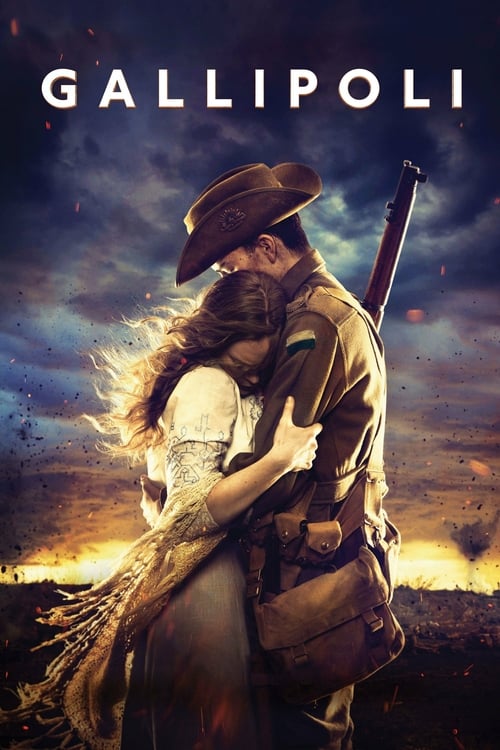
In the ending of the 2015 TV show "Gallipoli," the story culminates in the tragic and harrowing experiences of the ANZAC soldiers during the Gallipoli campaign. The main characters face the brutal realities of war, leading to significant losses and emotional turmoil. The series concludes with a poignant reflection on sacrifice and the impact of war on those who serve.
As the final episodes unfold, the narrative focuses on the deteriorating conditions faced by the soldiers. The ANZAC troops, including the central characters, are entrenched in a grueling stalemate against the Ottoman forces. The relentless shelling and the harsh living conditions take a toll on their morale and physical well-being.
In a pivotal scene, the characters are shown grappling with their fears and the weight of their decisions. The camaraderie among the soldiers is palpable, yet the looming threat of death hangs over them. The audience witnesses the internal struggles of the main characters, particularly as they confront the reality of their situation.
As the campaign progresses, the characters experience significant losses. One of the main characters, Thomas, is severely injured during an attack. His injury symbolizes the physical and emotional scars that war inflicts on soldiers. The scene is filled with tension as his comrades attempt to carry him to safety, showcasing their bond and the desperation of their circumstances.
In the final moments of the series, the narrative shifts to the aftermath of a major offensive. The soldiers are shown in a state of despair as they reflect on their fallen friends and the futility of their efforts. The camera lingers on their faces, capturing the grief and trauma etched into their expressions. The series closes with a haunting image of the battlefield, a stark reminder of the sacrifices made and the lives lost.
The fate of the main characters is tragic. Thomas, despite his bravery, succumbs to his injuries, leaving his friends to grapple with the loss. Another character, a close friend of Thomas, is left to carry the emotional burden of survival, haunted by the memories of their shared experiences. The series ends on a somber note, emphasizing the profound impact of war on individuals and the collective memory of those who served.
In summary, the ending of "Gallipoli" encapsulates the harrowing experiences of the ANZAC soldiers, highlighting their sacrifices and the emotional toll of war. The characters' fates serve as a poignant reminder of the cost of conflict and the enduring legacy of those who fought.
Is there a post-credit scene?
The 2015 miniseries "Gallipoli" does not feature a post-credit scene. The series concludes with a poignant and emotional finale that encapsulates the experiences of the characters throughout the war. The final moments focus on the aftermath of the Gallipoli campaign, highlighting the sacrifices made by the soldiers and the impact of the war on their lives and families. The series ends on a reflective note, emphasizing the themes of loss, bravery, and the enduring memory of those who fought.
What motivates the character of Frank Dunne throughout the series?
Frank Dunne, portrayed by Kodi Smit-McPhee, is driven by a complex mix of patriotism, a desire for adventure, and a deep-seated need to protect his friends. As the series progresses, his motivations evolve, particularly as he witnesses the horrors of war and grapples with the consequences of his decisions. His internal conflict is palpable, especially when he faces the reality of the battlefield and the impact it has on his comrades.
How does the relationship between Frank Dunne and Billy Stokes develop?
The relationship between Frank Dunne and Billy Stokes, played by Callan Mulvey, is central to the narrative. Initially, they share a bond forged through their shared experiences and camaraderie. However, as the war intensifies, their differing views on duty and survival create tension. Frank's protective instincts clash with Billy's more reckless approach, leading to emotional strain and ultimately shaping their fates as they navigate the chaos of Gallipoli.
What role does the character of Arthur 'Art' Dunne play in Frank's journey?
Arthur 'Art' Dunne, Frank's older brother, serves as a significant influence on Frank's journey. Art embodies the ideals of bravery and sacrifice, which initially inspire Frank to enlist. However, as the war unfolds, Art's experiences and eventual fate weigh heavily on Frank, forcing him to confront the harsh realities of war and the cost of heroism. This relationship adds depth to Frank's character, highlighting themes of brotherhood and loss.
How does the series depict the impact of war on the soldiers' mental health?
The series poignantly illustrates the psychological toll of war on soldiers through various characters, particularly Frank and Billy. As they endure the relentless stress of combat, the narrative delves into their emotional struggles, showcasing moments of despair, fear, and trauma. The depiction of their mental health challenges is raw and unflinching, emphasizing the long-lasting effects of their experiences on their psyche and relationships.
What events lead to the pivotal moment of the ANZAC landing at Gallipoli?
The lead-up to the ANZAC landing at Gallipoli is marked by a series of intense training sequences and the camaraderie among the soldiers. As they prepare for battle, the tension builds through their interactions, showcasing their hopes and fears. The moment of landing itself is chaotic and harrowing, with the soldiers facing unexpected resistance and the brutal realities of warfare. This pivotal event serves as a turning point for the characters, dramatically altering their lives and relationships.
Is this family friendly?
The 2015 TV show "Gallipoli" is a historical drama that depicts the experiences of Australian soldiers during World War I, particularly focusing on the Gallipoli Campaign. While it is a significant and poignant portrayal of history, it contains several elements that may not be suitable for children or sensitive viewers.
-
War Violence: The series includes graphic depictions of battle scenes, showcasing the brutality of war, including gunfire, explosions, and injuries. These scenes can be intense and distressing.
-
Death and Injury: Characters experience significant physical and emotional trauma, including the death of comrades and the impact of injuries, which may be upsetting for younger viewers.
-
Emotional Strain: The show explores themes of loss, fear, and the psychological toll of war, which may be heavy for sensitive audiences to process.
-
Mature Themes: The narrative delves into the harsh realities of military life, including the camaraderie among soldiers, the impact of war on families, and the moral complexities faced by individuals in combat.
-
Language: There are instances of strong language that may not be appropriate for younger audiences.
Overall, while "Gallipoli" is a powerful and important story, its content may be challenging for children and those who are sensitive to themes of violence and loss. Viewer discretion is advised.