






















Popular
What are the main conflicts between the characters in Line of Separation?
How does the character of the German farmer evolve throughout the series?
What role does the village play in the relationships between characters?
How do the characters cope with the moral dilemmas presented by the war?
What is the significance of the relationships between the German and Russian characters?
Should I watch it?
Ask Your Own Question

What is the plot?
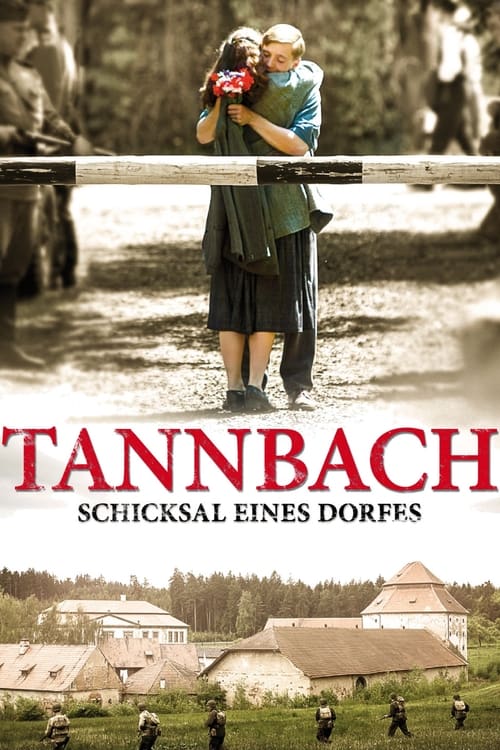
In the aftermath of World War II, the story begins in a small German town that is divided by the newly drawn borders between East and West Germany. The town is split into two distinct zones, with the East controlled by the Soviet Union and the West under the influence of the Allies. The tension is palpable as the townspeople navigate their new reality, grappling with the implications of the division on their lives and relationships.
The main characters are introduced: a local farmer named Georg, who is deeply affected by the war and the division, and his wife, who struggles to maintain a sense of normalcy amidst the chaos. Georg is portrayed as a man of principle, torn between his loyalty to his country and his desire for peace. His internal conflict is evident as he witnesses the changes in his community and the impact on his family.
As the story unfolds, Georg's neighbor, a former soldier named Klaus, returns home from the war. Klaus is haunted by his experiences and finds it difficult to reintegrate into civilian life. His character serves as a stark contrast to Georg, who is trying to hold his family together. The two men have a complicated relationship, marked by shared history and differing ideologies.
The arrival of a new family from the East, the Schneider family, adds another layer of complexity to the narrative. The Schmidts, who are fleeing the oppressive regime, seek refuge in the West. Their presence creates tension among the townspeople, as some are sympathetic to their plight while others view them with suspicion. Georg feels a sense of responsibility to help the Schmidts, which puts him at odds with Klaus, who is more skeptical of the newcomers.
As the political climate intensifies, the town becomes a microcosm of the larger conflict between East and West. The characters are faced with difficult choices that test their loyalties and moral compasses. Georg's decision to assist the Schmidts leads to confrontations with other townspeople, who are divided in their opinions about the East Germans. This division is further exacerbated by the arrival of soldiers from both sides, who impose their authority and create an atmosphere of fear.
In a pivotal scene, Georg organizes a secret meeting with other townspeople to discuss the situation. Emotions run high as they debate the risks of harboring the Schmidts. Some argue for compassion and solidarity, while others fear the repercussions of defying the authorities. Georg's passionate plea for unity resonates with some, but not all are convinced, leading to a split in the community.
As tensions escalate, Klaus becomes increasingly agitated by Georg's actions. He feels betrayed by his neighbor's willingness to help the Schmidts, viewing it as a threat to their way of life. This culminates in a heated confrontation between Georg and Klaus, where both men express their frustrations and fears. The emotional stakes are high, as their friendship hangs in the balance.
The situation reaches a boiling point when the authorities conduct a raid in search of the Schmidts. Georg and his family must make a desperate decision to hide the Schmidts in their home. The tension is palpable as they hear the soldiers searching nearby, and the fear of being discovered looms over them. The scene is filled with suspense, as the characters hold their breath, hoping to remain undetected.
In the aftermath of the raid, the consequences of their actions become clear. Some townspeople turn against Georg, viewing him as a traitor. The emotional fallout strains his relationships, particularly with Klaus, who feels justified in his anger. Georg grapples with feelings of isolation and betrayal, questioning whether he made the right choice in helping the Schmidts.
As the story progresses, the characters are forced to confront the realities of their decisions. The Schmidts' presence in the town becomes a symbol of hope for some and a source of fear for others. Georg's internal struggle deepens as he witnesses the impact of the division on his family and community. He becomes increasingly aware of the sacrifices required for his beliefs.
In a climactic moment, the town is faced with a crisis that forces everyone to choose sides. A violent confrontation erupts between the soldiers and the townspeople, leading to chaos and destruction. Georg finds himself in the midst of the conflict, torn between his desire to protect his family and his commitment to standing up for what he believes is right.
The resolution of the story sees the characters grappling with the aftermath of the violence. The town is left in ruins, and the emotional scars run deep. Georg and Klaus must confront the consequences of their actions and the choices they made throughout the conflict. The division of the town serves as a poignant reminder of the broader struggles faced by individuals in a divided world.
In the final scenes, the characters reflect on their experiences and the impact of the division on their lives. Georg's journey comes full circle as he seeks to rebuild his community and find a way forward amidst the lingering tensions. The story concludes with a sense of uncertainty, leaving the characters and the audience to ponder the complexities of human relationships in the face of division and conflict.






What is the ending?
In the ending of "Line of Separation," the tensions between the characters reach a climax as the war's impact on their lives becomes undeniable. The story concludes with the characters facing the consequences of their choices, leading to a poignant resolution that reflects the complexities of human relationships amidst conflict.
As the final episodes unfold, the narrative begins with the aftermath of the war's devastation. The village is in disarray, and the characters are grappling with their losses and the shifting dynamics of their relationships. The once-clear lines of separation between the characters blur as they confront their shared humanity.
In a pivotal scene, the character of Franz, who has been deeply affected by the war, struggles with his sense of identity and belonging. He wanders through the remnants of the village, haunted by memories of happier times. His internal conflict is palpable as he reflects on the choices he made during the war, particularly regarding his loyalty to his country and the impact it had on his relationships with others.
Meanwhile, the character of Anna, who has been a symbol of resilience throughout the series, faces her own challenges. She is determined to rebuild her life and the community, but the scars of the past weigh heavily on her. In a powerful moment, she gathers the remaining villagers to discuss their future, emphasizing the need for unity and healing. Her leadership shines through as she encourages others to share their stories and confront their grief together.
As the narrative progresses, the character of Otto, who has been torn between his duty and his personal beliefs, finds himself at a crossroads. In a climactic confrontation with Franz, the two men express their frustrations and regrets. This emotional exchange serves as a cathartic release for both characters, allowing them to acknowledge their shared pain and the futility of their previous animosities.
The final scenes depict the village coming together for a memorial service to honor those lost in the war. The atmosphere is somber yet hopeful, as the characters reflect on their shared experiences. Each character's journey culminates in this moment of collective remembrance, symbolizing the possibility of reconciliation and healing.
Franz ultimately decides to leave the village, seeking a new beginning away from the memories that haunt him. Anna, on the other hand, chooses to stay and lead the rebuilding efforts, embodying hope for the future. Otto, having found a sense of peace through his confrontation with Franz, commits to supporting Anna and the community in their efforts to move forward.
In the closing moments, the camera pans over the village, now filled with a sense of quiet determination. The characters, though forever changed by their experiences, stand united in their resolve to create a better future, illustrating the enduring strength of the human spirit in the face of adversity.
Is there a post-credit scene?
"Line of Separation," the 2015 German television series, does not feature a post-credit scene. The series concludes its narrative without any additional scenes after the credits roll. The final episodes wrap up the storylines of the characters, focusing on the aftermath of World War II and the division of Germany, leaving viewers with a sense of closure regarding the fates of the main characters and the impact of the war on their lives. The emphasis is on the emotional and social ramifications of the events depicted throughout the series, rather than on any cliffhangers or additional content after the credits.
What are the main conflicts between the characters in Line of Separation?
The main conflicts in 'Line of Separation' revolve around the tensions between the German and Russian characters, particularly as they navigate their relationships amidst the backdrop of World War II. The personal struggles of characters like the German farmer, who is torn between loyalty to his country and his love for a Russian woman, highlight the emotional turmoil and moral dilemmas faced by individuals during this tumultuous time.
How does the character of the German farmer evolve throughout the series?
The German farmer, initially portrayed as a staunch patriot, undergoes significant transformation as the war progresses. His internal conflict intensifies as he grapples with the consequences of his actions and the impact of the war on his family and community. His love for a Russian woman challenges his beliefs, leading him to question the ideologies he once held dear, ultimately making him a more empathetic and complex character.
What role does the village play in the relationships between characters?
The village serves as a microcosm of the larger societal conflicts, where personal relationships are deeply affected by the war. The interactions among villagers, including betrayals, alliances, and romances, illustrate how the war disrupts their lives and forces them to confront their prejudices and loyalties. The village becomes a battleground for both physical and emotional struggles, reflecting the broader themes of division and separation.
How do the characters cope with the moral dilemmas presented by the war?
Characters in 'Line of Separation' cope with moral dilemmas in various ways, often leading to intense emotional struggles. Some resort to denial or rationalization of their actions, while others seek redemption through acts of bravery or compassion. The series poignantly depicts their internal battles, showcasing moments of vulnerability, guilt, and the search for meaning amidst chaos, ultimately revealing the complexity of human nature in times of crisis.
What is the significance of the relationships between the German and Russian characters?
The relationships between German and Russian characters are central to the narrative, symbolizing the broader conflict of the war. These interactions often oscillate between love and hatred, friendship and betrayal, highlighting the absurdity of enmity in the face of shared humanity. The series uses these relationships to explore themes of trust, loyalty, and the possibility of reconciliation, making them pivotal to the emotional depth of the story.
Is this family friendly?
"Line of Separation," produced in 2015, is a historical drama set in post-World War II Germany, exploring the tensions between East and West. While the show delves into significant themes of war, division, and the human experience, it does contain elements that may not be suitable for children or sensitive viewers.
-
War and Violence: The series depicts the aftermath of war, including scenes of destruction and the emotional toll on characters. There are moments of conflict that may involve physical altercations or the consequences of violence.
-
Death and Loss: Characters experience loss, and there are scenes that portray mourning and the impact of death on families and communities, which can be emotionally heavy.
-
Political Tension: The show addresses complex political themes, including the ideological divide between East and West Germany, which may be difficult for younger viewers to fully grasp.
-
Mature Themes: There are instances of adult relationships and the struggles of individuals navigating their personal lives amidst political upheaval, which may include discussions or implications of infidelity and betrayal.
-
Emotional Struggles: Characters face significant emotional challenges, including trauma, guilt, and moral dilemmas, which may be intense for sensitive viewers.
Overall, while "Line of Separation" offers a rich narrative and character development, its themes and scenes may require parental discretion for younger audiences.