

















Popular
What role does Eric Dale play in the story and what is his significance to the plot?
How does Peter Sullivan's character evolve throughout the film?
What is the significance of the meeting with John Tuld, and how does it impact the characters?
How does the character of Sam Rogers respond to the crisis, and what does it reveal about him?
What is the relationship between Will Emerson and the other characters, and how does it influence the plot?
Should I watch it?
Ask Your Own Question

What is the plot?
Sorry, we aren't able to watch and write up a full detailed plot yet. Check back in a few days.







What is the ending?
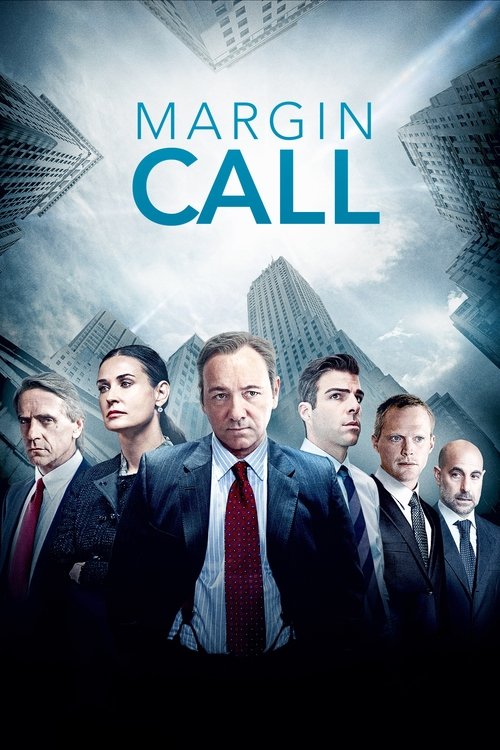
In the ending of "Margin Call," the investment bank's executives decide to sell off their toxic assets to avoid financial ruin, knowing it will harm their clients. As the sun rises, the firm prepares for the fallout, and key characters face the moral implications of their actions. The film concludes with a sense of impending doom for the financial system, leaving the characters to grapple with their choices.
As the night deepens in the high-rise office of the investment bank, the atmosphere is thick with tension. The clock ticks past midnight, and the team, led by Eric Dale, has just uncovered the catastrophic extent of the firm's financial exposure. After Eric is let go, he hands over a USB drive to Peter Sullivan, a junior risk analyst, who discovers the alarming data that could lead to the firm's downfall.
Peter, realizing the gravity of the situation, quickly gathers a small group of key players: Sam Rogers, the head of sales; Jared Cohen, a senior executive; and Sarah Robertson, the head of risk management. They convene in a conference room, where Peter presents the findings. The room is dimly lit, and the tension is palpable as the group grapples with the implications of the data. Each character's face reflects a mix of disbelief, fear, and urgency.
As they discuss the potential fallout, Sam Rogers, played by Kevin Spacey, becomes increasingly agitated. He understands that the firm is on the brink of collapse and that drastic measures must be taken. The group debates the ethical implications of their next steps, but time is running out. They know that if they do not act quickly, the firm will face catastrophic losses.
The decision is made to sell off the toxic assets, a move that will protect the firm but devastate their clients. The executives prepare for the morning's trading session, knowing they will be unloading these risky securities onto unsuspecting investors. The moral weight of their decision hangs heavily in the air, and the characters' internal conflicts are evident. Sam, who has always prided himself on his integrity, is visibly torn but ultimately prioritizes the survival of the firm over ethical considerations.
As dawn breaks, the office is illuminated by the first light of day, casting long shadows across the conference room. The executives are now in a state of grim determination. They make the necessary calls to execute their plan, and the atmosphere shifts from panic to a cold, calculated resolve. Each character is aware that they are complicit in a decision that will have far-reaching consequences.
In the final moments, we see the characters in their respective roles as they prepare for the fallout. Sam stands alone, looking out over the city, reflecting on the choices made. Peter, still grappling with the moral implications, is left to ponder the future of the financial system and his own role within it. Jared, ever the opportunist, is focused on the immediate gains, while Sarah, who has been a voice of caution, is left to deal with the aftermath of their actions.
The film closes with a sense of foreboding, as the characters face the reality of their decisions. The camera lingers on Sam's face, capturing the weight of his choices, and the screen fades to black, leaving the audience to contemplate the ethical dilemmas and the fragility of the financial world. The fate of each character is sealed in their decisions, with the knowledge that they have sacrificed their integrity for survival, setting the stage for the impending crisis that will affect countless lives.
Is there a post-credit scene?
The movie "Margin Call," produced in 2011, does not have a post-credit scene. The film concludes with a powerful final moment that encapsulates the gravity of the financial crisis and the moral dilemmas faced by the characters. After the intense night of discussions and decisions regarding the impending collapse of the investment firm, the final scene shows John Tuld, the CEO, delivering a cold, calculated speech about the nature of the financial world and the inevitability of the situation. The film ends on a somber note, leaving the audience to reflect on the consequences of the characters' actions without any additional scenes or resolutions after the credits roll.
What role does Eric Dale play in the story and what is his significance to the plot?
Eric Dale is a senior risk analyst at the investment bank. He is the first character introduced in the film, and his significance lies in his discovery of the impending financial crisis. After being laid off, he hands over a USB drive containing critical data to his protégé, Peter Sullivan, which sets off the chain of events that follow. His character embodies the theme of corporate neglect and the personal consequences of the financial collapse.
How does Peter Sullivan's character evolve throughout the film?
Peter Sullivan, a junior risk analyst, starts as a somewhat naive and overwhelmed employee. After discovering the alarming data on the USB drive, he transitions into a more assertive and determined figure. His emotional state shifts from shock and disbelief to urgency and responsibility as he realizes the gravity of the situation. He becomes a key player in conveying the crisis to upper management, showcasing his growth and the weight of the moral dilemmas he faces.
What is the significance of the meeting with John Tuld, and how does it impact the characters?
The meeting with John Tuld, the CEO of the firm, is pivotal as it represents the culmination of the crisis. Tuld's cold, calculating demeanor starkly contrasts with the emotional turmoil of the other characters. His decision to liquidate the toxic assets, regardless of the consequences, highlights the moral bankruptcy of the financial industry. This meeting forces the characters to confront their own complicity in the crisis and the ethical implications of their actions.
How does the character of Sam Rogers respond to the crisis, and what does it reveal about him?
Sam Rogers, the head of sales, is portrayed as a conflicted character who grapples with the impending disaster. His emotional response is one of anger and frustration, particularly towards the corporate culture that prioritizes profit over ethics. As he navigates the crisis, his motivations reveal a deep sense of loyalty to his team and a desire to protect them, even as he recognizes the inevitability of the firm's actions. His character embodies the struggle between personal integrity and corporate greed.
What is the relationship between Will Emerson and the other characters, and how does it influence the plot?
Will Emerson, the head of trading, has a complex relationship with his colleagues, particularly with Sam Rogers and Peter Sullivan. His aggressive and self-serving nature often puts him at odds with the more ethical concerns raised by others. Will's focus on profit and survival influences the decisions made during the crisis, as he pushes for immediate action to mitigate losses. His character serves as a representation of the cutthroat mentality prevalent in the financial industry, impacting the dynamics and decisions of the group.
Is this family friendly?
"Margin Call," produced in 2011, is not considered family-friendly due to its themes and content. Here are some potentially objectionable or upsetting aspects that may affect children or sensitive viewers:
-
Strong Language: The film contains frequent use of profanity, which may be inappropriate for younger audiences.
-
High-Stress Situations: The narrative revolves around a financial crisis, showcasing intense discussions and confrontations that may be stressful or confusing for children.
-
Moral Ambiguity: The characters engage in ethically questionable behavior, including discussions about deception and the impact of their decisions on others, which may be unsettling.
-
Depictions of Corporate Greed: The film explores themes of greed and the consequences of financial decisions, which may be difficult for younger viewers to understand.
-
Emotional Turmoil: Characters experience significant stress, anxiety, and moral dilemmas, which could be distressing for sensitive viewers.
Overall, the film's mature themes and intense emotional content make it more suitable for adult audiences.








