

Loading additional questions...
Popular
What challenges do the Raneys face when helping struggling homesteaders?
How does Marty Raney's experience influence his approach to homesteading?
What specific skills do Misty Raney and Matt Raney bring to the homesteading projects?
How do the emotional dynamics between the Raney family members affect their work?
What are some specific success stories from the families the Raneys have helped?
Should I watch it?
Ask Your Own Question

What is the plot?








What is the ending?
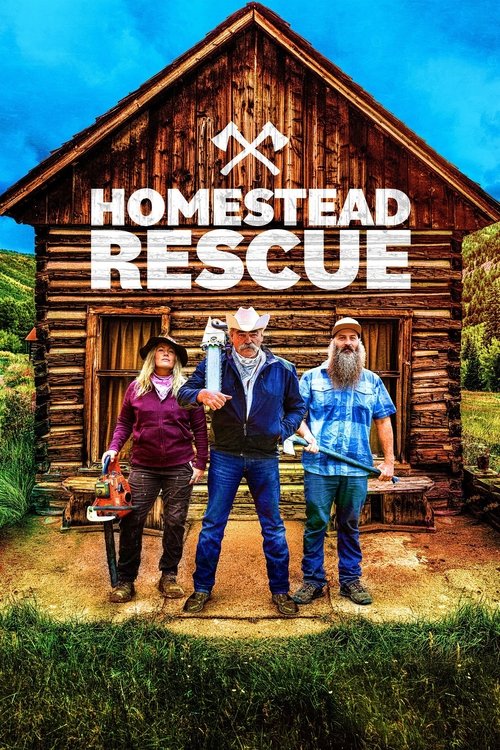
In the final episode of "Homestead Rescue," the Raney family successfully helps a struggling homesteader family overcome their challenges. They implement sustainable practices, improve living conditions, and instill a sense of hope and resilience. The episode concludes with the homesteaders feeling empowered and ready to face their future.
As the episode unfolds, we find ourselves in a remote area where the struggling homesteader family, the Johnsons, has been facing numerous hardships. The camera pans over their dilapidated cabin, surrounded by overgrown weeds and a failing garden. The air is thick with tension as the Johnsons express their frustrations and fears about their homesteading journey. They feel overwhelmed and isolated, unsure of how to turn their situation around.
The Raney family, led by Marty, arrives with a sense of purpose and determination. Marty, with his rugged demeanor and practical wisdom, immediately assesses the situation. He notices the lack of proper shelter and the disarray of the property. His internal motivation is clear: he wants to empower the Johnsons to reclaim their homestead and instill in them the skills necessary for self-sufficiency.
As the Raneys begin their work, they first tackle the cabin. They clear away debris and repair the roof, showcasing their expertise and teamwork. Misty, Marty's daughter, works alongside her father, demonstrating her knowledge of gardening and sustainable practices. She teaches the Johnsons about companion planting, emphasizing the importance of biodiversity in their garden. The Johnsons watch with a mix of hope and skepticism, their emotional states fluctuating between despair and cautious optimism.
Meanwhile, Matt, Marty's son, focuses on building a more efficient water system. He explains the importance of water conservation and how it can drastically improve their living conditions. The Johnsons, initially hesitant, begin to engage more with the Raneys, asking questions and showing interest in learning. This shift marks a turning point in their journey, as they start to believe in the possibility of change.
As the days progress, the Raneys introduce the Johnsons to various homesteading skills, from animal husbandry to food preservation. The emotional weight of the Johnsons' struggles begins to lift as they gain confidence in their abilities. The camera captures moments of laughter and camaraderie, highlighting the bond forming between the two families. The Johnsons' children, once withdrawn, start to play and engage with the Raneys, symbolizing a newfound sense of community.
In the final scenes, the Raneys and the Johnsons stand together, surveying the transformed homestead. The cabin is now sturdy, the garden is flourishing, and the water system is functional. The Johnsons express their gratitude, their faces reflecting a mix of relief and pride. They have not only improved their living conditions but have also rekindled their hope for the future.
As the episode concludes, the Raneys prepare to leave, but not before sharing a heartfelt moment with the Johnsons. Marty emphasizes the importance of perseverance and the skills they have learned. The Johnsons, now empowered, promise to continue their journey with renewed determination. The camera fades out on their smiling faces, a testament to the resilience of the human spirit and the power of community support. Each character leaves with a sense of accomplishment: the Raneys knowing they have made a difference, and the Johnsons ready to embrace their homesteading life with confidence.
Is there a post-credit scene?
What challenges do the Raneys face when helping struggling homesteaders?
The Raneys often encounter a variety of challenges when assisting struggling homesteaders, including inadequate shelter, lack of resources, and poor planning. Each episode showcases specific issues such as failing crops, insufficient water supply, and unsafe living conditions. The emotional weight of these challenges is palpable, as the Raneys must not only provide practical solutions but also motivate and inspire the homesteaders to regain hope and confidence in their abilities.
How does Marty Raney's experience influence his approach to homesteading?
Marty Raney's extensive background in survival skills and homesteading deeply influences his approach. His hands-on experience allows him to assess situations quickly and devise practical solutions. He often shares personal anecdotes from his own homesteading journey, which adds a layer of authenticity and relatability. His passion for teaching others is evident as he guides families through the process of rebuilding their lives.
What specific skills do Misty Raney and Matt Raney bring to the homesteading projects?
Misty Raney brings her expertise in animal husbandry and gardening, often focusing on sustainable practices that can help families become self-sufficient. Her nurturing nature shines through as she works with families to improve their livestock care and crop production. Matt Raney, on the other hand, excels in construction and engineering, using his skills to build or repair essential structures. His problem-solving abilities are crucial in overcoming physical obstacles that families face.
How do the emotional dynamics between the Raney family members affect their work?
The emotional dynamics between the Raney family members play a significant role in their work. Their strong bond and mutual respect allow them to communicate effectively, even under pressure. Moments of tension arise, particularly when disagreements occur about the best approach to a problem, but these conflicts often lead to deeper understanding and collaboration. Their shared commitment to helping others reinforces their familial ties and showcases the importance of teamwork.
What are some specific success stories from the families the Raneys have helped?
Throughout the series, several success stories emerge, highlighting the transformative impact of the Raneys' assistance. For instance, one family may start with a dilapidated cabin and a failed garden, but after the Raneys' intervention, they not only have a sturdy home but also a thriving vegetable patch and livestock. The emotional relief and joy on the families' faces as they achieve self-sufficiency is a recurring theme, illustrating the profound change that can occur with the right guidance and support.