















Popular
What is the significance of the character of Kader in Section Zéro?
How does the relationship between the characters of Kader and his sister evolve throughout the series?
What role does the character of the 'Boss' play in the dynamics of the gang?
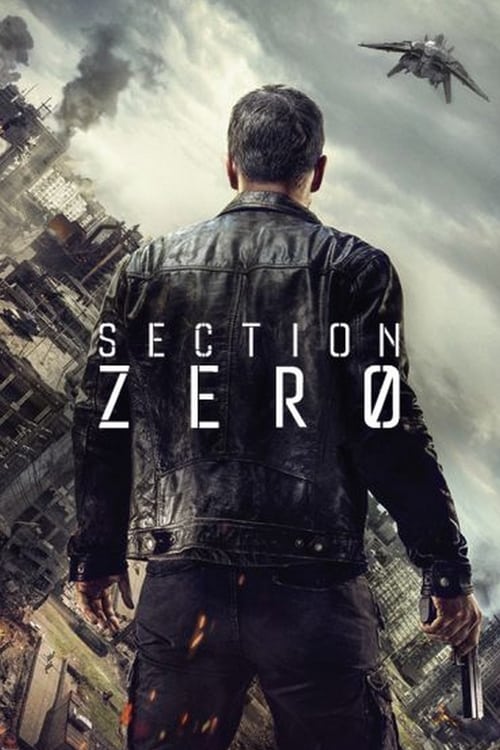
How does the setting of the dystopian future influence the characters' actions in Section Zéro?
What are the key turning points for the character of Kader in the series?
Should I watch it?
Ask Your Own Question

What is the plot?
In a dystopian future where society is controlled by a powerful corporation known as the "Syndicate," the story begins with a group of outcasts known as the "Zéro" team. The team is led by a former cop named "K" who is haunted by his past and driven by a desire for redemption. The narrative opens with K and his team, including the tech-savvy "M," the tough-as-nails "S," and the enigmatic "D," as they plan a heist to steal valuable data from the Syndicate.
The heist takes place in a high-security facility. The team uses a combination of stealth and technology to bypass security systems. M hacks into the facility's network, while S and D provide cover. Tension builds as they navigate through the facility, and they encounter unexpected obstacles, including a security guard who nearly catches them. K's leadership is tested as he makes quick decisions to keep the team safe. They successfully retrieve the data, but as they escape, they trigger an alarm, leading to a frantic chase.
During the escape, the team splits up to evade capture. K and S find themselves cornered by Syndicate enforcers. A tense standoff ensues, and K must confront his fears and past mistakes. He manages to outsmart the enforcers, allowing them to escape, but not without injuries. The team regroups at their hideout, where they analyze the stolen data. They discover that the Syndicate is planning a major operation that could endanger countless lives.
As they delve deeper into the data, internal conflicts arise within the team. M becomes increasingly obsessed with the technology they have stolen, while S questions K's leadership and motivations. Tensions escalate, leading to a heated argument that nearly tears the team apart. K struggles with his role as a leader, feeling the weight of responsibility for his team's safety and the moral implications of their actions.
The team decides to take action against the Syndicate, planning to expose their corrupt practices to the public. They gather evidence and prepare a broadcast that will reveal the truth. However, as they execute their plan, they are ambushed by Syndicate operatives who have been tracking them. A fierce battle ensues, with the team fighting for their lives. K's determination shines through as he fights to protect his team, but they suffer significant losses.
In the aftermath of the confrontation, the team is left reeling from the violence and betrayal. D, who has been hiding secrets of his own, reveals that he has been working with the Syndicate all along. This revelation shatters the trust within the group, leading to a confrontation between D and the rest of the team. K feels betrayed but also recognizes the complexity of D's motivations, which stem from a desire to survive in a brutal world.
As the story progresses, K grapples with his past and the choices he has made. He seeks redemption not only for himself but for his team. They regroup and devise a new plan to take down the Syndicate once and for all. This involves infiltrating a high-profile event where the Syndicate will be showcasing their latest technology. The team prepares meticulously, each member taking on specific roles to ensure their success.
On the day of the event, the tension is palpable. K and S pose as guests, while M works from a remote location to hack into the event's security systems. D, still trying to regain the team's trust, plays a crucial role in gathering intel from within. As the event unfolds, K and S navigate through the crowd, gathering evidence and looking for an opportunity to expose the Syndicate's plans.
The climax occurs when M successfully hacks into the mainframe, allowing K to broadcast the evidence to the attendees and the world. However, the Syndicate's security forces quickly catch on, leading to a chaotic confrontation. K and S fight their way through the guards, showcasing their skills and determination. The stakes are high as they race against time to complete their mission.
In the final moments, K confronts the Syndicate's leader, a figure from his past who embodies everything he despises. A brutal fight ensues, filled with emotional weight as K battles not just for his team but for his own redemption. The fight culminates in a dramatic showdown, where K must make a choice that will define his future and the future of his team.
Ultimately, K emerges victorious, but not without significant sacrifices. The team is forever changed by their experiences, and as they stand together in the aftermath, they reflect on their journey. The series concludes with a sense of uncertainty, leaving the characters to face the consequences of their actions and the ongoing struggle against the oppressive forces of the Syndicate.







What is the ending?
In the ending of Section Zéro, the main characters face the consequences of their actions in a dystopian world. The series culminates in a confrontation that leads to significant sacrifices and revelations about loyalty, identity, and the struggle against oppressive systems.
As the story unfolds, we see the fates of the main characters: the protagonist, who has been deeply affected by the events around him, must make a critical choice that impacts not only his life but also the lives of those he cares about. The series concludes with a sense of ambiguity, leaving the audience to ponder the future of the characters and the world they inhabit.
The final episodes of Section Zéro begin with a palpable tension in the air, as the characters are drawn into a web of conflict that has been building throughout the series. The setting is a grim, dystopian landscape, filled with the remnants of a society that has crumbled under the weight of corruption and control.
Scene 1: The protagonists gather in a dimly lit hideout, their faces etched with worry and determination. They discuss their next move against the oppressive forces that have been hunting them. Each character reveals their internal struggles; the weight of betrayal and the desire for freedom hang heavily in the air. The leader, driven by a fierce loyalty to his team, vows to confront the enemy head-on, despite the risks involved.
Scene 2: As they prepare for the confrontation, flashbacks reveal the characters' pasts, showcasing their motivations and the relationships that have shaped them. The audience sees moments of camaraderie, love, and loss, deepening the emotional stakes of the impending conflict. The leader's resolve is tested as he grapples with the potential loss of his friends.
Scene 3: The climactic showdown takes place in an abandoned industrial complex, a stark contrast to the vibrant lives the characters once led. The atmosphere is charged with anticipation as they face off against their adversaries. The battle is intense, filled with physical confrontations and strategic maneuvers. Each character fights not just for survival but for their ideals and the hope of a better future.
Scene 4: In the heat of the battle, sacrifices are made. One character, who has been a source of strength for the group, makes a selfless decision to protect their friends, leading to a heart-wrenching moment of loss. The emotional weight of this sacrifice reverberates through the remaining characters, forcing them to confront their own fears and desires.
Scene 5: As the dust settles, the leader stands amidst the chaos, grappling with the consequences of their fight. The victory is bittersweet; while they have managed to thwart their enemies, the cost has been high. The remaining characters share a moment of silence, reflecting on their journey and the friends they have lost.
Scene 6: The series concludes with a sense of uncertainty. The leader, now burdened with the weight of leadership and loss, looks out over the city, contemplating the future. The remaining characters, though battered and bruised, find a renewed sense of purpose. They understand that their fight is far from over, and they must continue to navigate the complexities of their world.
In the end, the fates of the main characters are intertwined with the themes of sacrifice, loyalty, and the quest for freedom. Each character's journey culminates in a poignant reminder of the cost of resistance and the enduring hope for a better tomorrow. The series closes on an ambiguous note, leaving the audience to ponder the characters' futures and the ongoing struggle against oppression.
Is there a post-credit scene?
In the TV show Section Zéro, there is no post-credit scene. The series concludes its narrative without any additional scenes after the credits roll. The final moments of the show focus on the resolution of the main characters' arcs and the overarching themes of the series, leaving viewers with a sense of closure regarding the storylines presented throughout the episodes. The absence of a post-credit scene emphasizes the finality of the characters' journeys and the world they inhabit.
What is the significance of the character of Kader in Section Zéro?
Kader is a pivotal character in Section Zéro, representing the moral ambiguity and the struggle for identity within a dystopian society. His journey is marked by a deep internal conflict as he grapples with his past and the choices he must make to survive. Kader's relationships with other characters, particularly with his sister and the members of the gang, reveal his vulnerability and desire for redemption, making him a complex figure in the narrative.
How does the relationship between the characters of Kader and his sister evolve throughout the series?
The relationship between Kader and his sister is fraught with tension and emotional depth. Initially, Kader is protective of her, driven by guilt over their shared traumatic past. As the series progresses, their bond is tested by the harsh realities of their environment and Kader's increasingly dangerous choices. Moments of vulnerability, such as when they share memories of their childhood, highlight their deep connection, but also the strain that Kader's decisions place on their relationship.
What role does the character of the 'Boss' play in the dynamics of the gang?
The 'Boss' serves as the authoritative figure within the gang, embodying the ruthless nature of their criminal undertakings. His leadership style is marked by intimidation and manipulation, creating a climate of fear and loyalty among the members. The Boss's interactions with Kader and other gang members reveal the power struggles and moral dilemmas they face, as well as the consequences of their choices in a lawless society.
How does the setting of the dystopian future influence the characters' actions in Section Zéro?
The dystopian setting of Section Zéro is crucial in shaping the characters' motivations and actions. The bleak, oppressive environment reflects their struggles for survival and the moral compromises they make. The crumbling urban landscape serves as a backdrop for their conflicts, emphasizing themes of desperation and the fight for power. Characters are often driven by the need to navigate this harsh reality, leading to choices that reveal their true natures.
What are the key turning points for the character of Kader in the series?
Kader experiences several key turning points that significantly impact his character arc. One major moment occurs when he is forced to confront his past, leading to a crisis of conscience that challenges his loyalty to the gang. Another pivotal scene is when he must choose between protecting his sister and following the gang's orders, highlighting his internal struggle between familial love and the demands of his criminal life. These moments of decision are crucial in shaping Kader's journey and the overall narrative.
Is this family friendly?
"Section Zéro," produced in 2016, is not considered family-friendly due to its mature themes and content. The show features several potentially objectionable or upsetting aspects, including:
-
Violence: The series contains graphic scenes of violence, including physical confrontations and gunfights, which may be distressing for younger viewers.
-
Dark Themes: The narrative explores heavy themes such as dystopia, crime, and moral ambiguity, which can be unsettling for children or sensitive individuals.
-
Substance Abuse: There are depictions of drug use and addiction, which may not be suitable for younger audiences.
-
Strong Language: The dialogue includes frequent use of profanity, which could be inappropriate for children.
-
Emotional Turmoil: Characters experience significant emotional distress, betrayal, and loss, which may be difficult for younger viewers to process.
-
Sexual Content: There are instances of sexual situations and suggestive themes that may not be appropriate for a younger audience.
Overall, the show's tone and content are geared towards an adult audience, making it unsuitable for children or those sensitive to such themes.









