

















Popular
What is the significance of the Var Syndrome in Macross Δ?
How does Hayate Immelman develop as a character throughout the series?
What role does Freyja Wion play in the conflict between the Windermereans and the Galactic Empire?
What is the relationship between the characters Mirage Farina Jenius and Hayate Immelman?
How does the theme of music manifest in the battles throughout the series?
Should I watch it?
Ask Your Own Question

What is the plot?
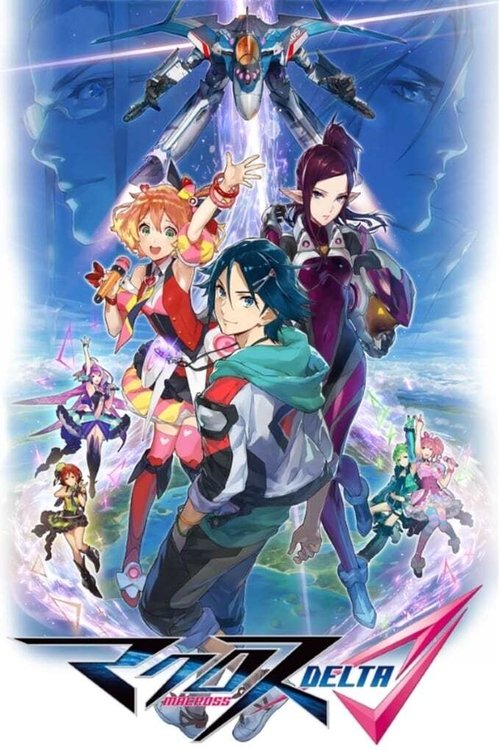
In the year 2067, the galaxy is embroiled in conflict due to the emergence of a mysterious phenomenon known as the Var Syndrome, which causes people to become violent and aggressive. The story begins on the planet Ragna, where the elite military group known as the Delta Flight, part of the New United Government, is tasked with combating this threat. The team is composed of skilled pilots and a singer named Freyja Wion, who dreams of becoming a member of the famous Walküre, a group of singers who use their voices to combat the Var Syndrome.
Freyja arrives on Ragna, where she meets Hayate Immelman, a young and carefree pilot who is initially uninterested in the military. Freyja's passion for singing and her determination to join Walküre impress Hayate, but he remains skeptical about the war and the military's role in it. Meanwhile, the Walküre team, led by the experienced and charismatic leader, Kaname Buccaneer, is preparing for a concert to boost morale and combat the Var Syndrome through the power of music.
During the concert, the team faces an unexpected attack from the enemy faction known as the Aerial Knights, led by the enigmatic and powerful pilot, Heinz. The Aerial Knights are revealed to be under the influence of the Var Syndrome, and their attacks are fueled by the chaos it brings. The concert is interrupted, and the Walküre team must quickly adapt to the situation, using their singing to counter the enemy's aggression. Freyja's voice resonates with the audience and the pilots, showcasing her potential as a singer.
As the battle intensifies, Hayate is drawn into the conflict when he witnesses the destructive power of the Var Syndrome firsthand. He decides to join the Delta Flight, motivated by a desire to protect Freyja and the people of Ragna. The team engages in a series of aerial dogfights against the Aerial Knights, showcasing their advanced Valkyrie mecha and combat skills. Hayate's piloting skills begin to shine as he learns to work alongside his teammates, particularly with Mirage Farina Jenius, a skilled pilot and the granddaughter of a legendary ace.
Freyja's determination to join Walküre leads her to confront Kaname, who initially doubts her abilities. However, after witnessing Freyja's talent during a skirmish, Kaname decides to give her a chance. Freyja joins the Walküre team, and they begin to train together, honing their skills to combat the Var Syndrome more effectively. The emotional bond between Freyja and Hayate deepens as they share their dreams and fears, with Hayate becoming more invested in the fight against the Var Syndrome.
As the story progresses, the Delta Flight faces increasingly powerful enemies, including the Aerial Knights, who are revealed to be under the control of a mysterious force known as the Windermerean royal family. The royal family seeks to harness the power of the Var Syndrome for their own purposes, leading to a series of confrontations between the Delta Flight and the Aerial Knights. The battles are intense, with high-stakes aerial combat and emotional moments as the characters confront their fears and motivations.
In a pivotal moment, the Delta Flight discovers that the Var Syndrome is linked to the ancient Protoculture ruins on Ragna. This revelation leads them to a climactic battle against the Aerial Knights, where the true nature of the Var Syndrome is revealed. The team must work together to overcome their differences and unite their strengths, using the power of music to combat the chaos unleashed by the Var Syndrome.
As the season reaches its climax, the characters face personal challenges and sacrifices. Hayate must confront his feelings for Freyja and his commitment to the fight, while Freyja grapples with her identity as a singer and her role in the conflict. The emotional stakes rise as the team faces their most formidable enemy yet, leading to a final showdown that tests their resolve and unity.
In the concluding episodes, the Delta Flight and Walküre manage to defeat the Aerial Knights, but not without significant losses. The impact of the Var Syndrome lingers, and the characters must come to terms with the consequences of their actions. The season ends on a bittersweet note, with the characters reflecting on their journey and the bonds they have formed, setting the stage for future conflicts and developments in the ongoing war against the Var Syndrome.
Related Titles
Browse All Titles →




What is the ending?
In the ending of Macross Δ, the conflict between the Windermerean forces and the Galactic Empire reaches a climax. The protagonist, Hayate Immelman, along with his friends from the Delta Flight, confronts the Windermerean leader, Keith Aero Windermere, and the mysterious force known as the Var Syndrome. The final battle sees the power of music and the bond between the characters play a crucial role in overcoming the threat. Ultimately, the Windermereans are defeated, and peace is restored, but not without significant sacrifices and emotional turmoil among the characters.
As the final episodes unfold, the tension escalates between the Delta Flight and the Windermerean forces. The scene opens with Hayate, Freyja Wion, and the rest of Delta Flight preparing for a decisive confrontation. The atmosphere is thick with anticipation and anxiety, as they know the stakes are higher than ever. Freyja, driven by her desire to protect those she loves and her belief in the power of music, stands resolute, her heart racing as she prepares to sing.
In a pivotal moment, the Delta Flight engages in a fierce aerial battle against the Windermerean forces. Hayate pilots his Valkyrie with determination, his thoughts racing as he recalls the bonds he has formed with his teammates. The visuals are stunning, with explosions lighting up the sky and the sleek Valkyries darting through the chaos. The emotional weight of the battle is palpable, as each character fights not just for victory, but for their friends and the future they envision.
As the battle intensifies, Freyja takes center stage, using her singing to counteract the Var Syndrome that has plagued the Windermereans. Her voice resonates through the battlefield, a beacon of hope amidst the turmoil. The scene shifts to Keith Aero Windermere, who is torn between his duty to his people and the realization of the pain caused by the conflict. His internal struggle is evident as he faces the consequences of his actions, and the audience can feel the weight of his choices.
In a climactic confrontation, Hayate and Keith face off. The tension is thick as they exchange words, each representing their respective ideals. Hayate's determination to protect his friends clashes with Keith's sense of duty to his people. The battle reaches its peak as Freyja's song reaches its crescendo, enveloping the battlefield in a powerful wave of emotion. The visuals are breathtaking, with colors swirling and the music intertwining with the chaos of war.
As the final notes of Freyja's song echo, the Var Syndrome is dispelled, and the Windermerean forces begin to falter. Keith, witnessing the impact of Freyja's music, is forced to confront the reality of his actions. In a moment of clarity, he realizes that the path of destruction he has chosen will only lead to more suffering. The emotional turmoil is evident on his face as he grapples with his choices.
In the aftermath of the battle, the Windermereans are defeated, and peace begins to settle over the battlefield. Hayate, Freyja, and the rest of Delta Flight stand together, their bonds stronger than ever. The scene shifts to a quieter moment, where the characters reflect on their journey. Hayate and Freyja share a tender moment, their feelings for each other finally acknowledged amidst the chaos of war.
Keith, however, faces a different fate. He is left to reckon with the consequences of his actions, a somber figure amidst the ruins of the conflict. The emotional weight of his choices hangs heavy in the air, as he contemplates the future of his people and the cost of their ambitions.
As the series concludes, the characters look towards a new beginning, united by their experiences and the power of music. The final scene captures the essence of hope and resilience, as they prepare to face whatever challenges lie ahead, their hearts intertwined by the bonds they have forged through adversity. The screen fades to black, leaving the audience with a sense of closure and the promise of a brighter future.
Is there a post-credit scene?
In "Macross Δ," Season 1, there is no post-credit scene following the final episode. The series concludes with a climactic battle and emotional resolutions for the main characters, particularly focusing on the relationships between Hayate, Freyja, and the rest of the Walküre team. The ending emphasizes the themes of music, love, and the fight against the Var Syndrome, leaving viewers with a sense of closure regarding the characters' journeys. However, there are no additional scenes or content after the credits that expand on the story or provide further insights into the characters' futures.
What is the significance of the Var Syndrome in Macross Δ?
Var Syndrome is a central plot element in Macross Δ, representing a mysterious affliction that affects individuals, causing them to become violent and aggressive. The syndrome is linked to the Protoculture and the use of music as a weapon. The Windermereans, particularly the antagonist group, utilize this syndrome to manipulate and control the population, showcasing the power of music and its duality as both a healing and destructive force.
How does Hayate Immelman develop as a character throughout the series?
Hayate Immelman starts as a carefree and somewhat reckless pilot who initially struggles with his commitment to the military and his own identity. As the series progresses, he becomes more involved with the Delta Flight team and develops a strong bond with Freyja Wion, which helps him confront his fears and insecurities. His character arc is marked by moments of self-discovery, particularly when he learns to embrace his passion for flying and the importance of fighting for those he cares about.
What role does Freyja Wion play in the conflict between the Windermereans and the Galactic Empire?
Freyja Wion is a key figure in the conflict, as her unique ability to connect with the power of song becomes a pivotal element in combating the Var Syndrome. As a member of the Delta Flight, her emotional and musical talents allow her to influence others and heal the afflicted. Her determination to protect her friends and her love for Hayate drive her actions, making her a symbol of hope and resilience against the Windermerean forces.
What is the relationship between the characters Mirage Farina Jenius and Hayate Immelman?
Mirage Farina Jenius initially views Hayate with skepticism due to his laid-back attitude and lack of discipline. However, as they work together in Delta Flight, their relationship evolves from rivalry to mutual respect and understanding. Mirage's feelings for Hayate become more complex as she grapples with her own insecurities and the pressure of her family's legacy. This emotional tension adds depth to their interactions, culminating in moments of vulnerability and support as they face the challenges of war together.
How does the theme of music manifest in the battles throughout the series?
Music in Macross Δ serves as both a weapon and a means of communication. The battles are often accompanied by songs performed by the Delta Flight team, which can disrupt the Var Syndrome and influence the emotions of both allies and enemies. The use of music highlights the emotional stakes of the conflict, as characters express their feelings and motivations through song. This thematic element underscores the series' exploration of the power of music to unite and heal, contrasting with its potential for destruction when wielded as a tool of war.
Is this family friendly?
"Macross Δ" is generally considered suitable for a teen and older audience, but it does contain some elements that may be objectionable or upsetting for children or sensitive viewers. Here are some aspects to consider:
-
Violence and Combat: The series features intense aerial battles and combat scenes involving mecha and military action. There are moments of destruction and injury that may be distressing.
-
Romantic Themes: There are romantic subplots that include emotional tension, unrequited love, and complex relationships. Some scenes may involve suggestive themes or innuendos.
-
Death and Loss: Characters face significant challenges, including loss and the consequences of war, which can evoke strong emotional responses.
-
Mature Themes: The series touches on themes of war, conflict, and the impact of music as a weapon, which may be difficult for younger viewers to fully grasp.
-
Emotional Struggles: Characters experience deep emotional turmoil, including feelings of loneliness, betrayal, and the weight of responsibility, which may resonate differently with sensitive viewers.
These elements contribute to the overall tone of the series, making it more appropriate for older children and teens rather than a younger audience.