










Popular
What motivates the main character, Jack, to go on the stag do despite his reservations?
How does the relationship between Jack and his friends evolve throughout the stag do?
What role does the setting play in the development of the plot during the stag do?
What are the key conflicts that arise between Jack and the other characters during the trip?
How does the character of the groom, Tom, influence the dynamics of the group during the stag do?
Should I watch it?
Ask Your Own Question

What is the plot?
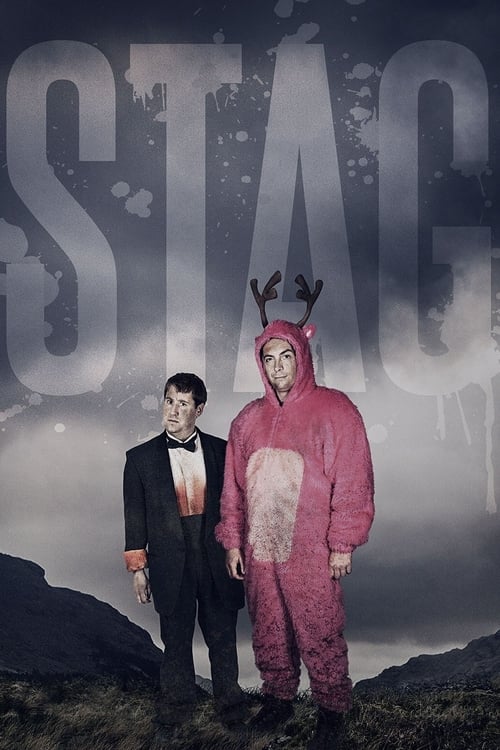
In the opening scene of "Stag," a group of friends gathers to celebrate the upcoming wedding of one of their own, a man named Tom. The atmosphere is filled with excitement and camaraderie as they reminisce about their past adventures. The group consists of Tom, his best man, and a few close friends, all of whom are eager to make this a memorable bachelor party. They decide to head out to a remote cabin in the woods, where they plan to indulge in various activities, including drinking and partying.
As they arrive at the cabin, the friends set up for the weekend, unpacking supplies and preparing for a night of fun. The mood is light-hearted, with jokes and laughter filling the air. However, underlying tensions begin to surface, particularly between Tom and one of his friends, who feels overshadowed by Tom's upcoming marriage. This friend expresses his frustrations, hinting at deeper issues within their friendship, but the group brushes it off, focusing on the festivities.
As night falls, the group gathers around a bonfire, sharing stories and drinking heavily. The atmosphere shifts when they decide to play a game that involves dares and challenges. The game escalates quickly, leading to reckless behavior and a sense of competition among the friends. Tensions rise further when one of the friends, feeling left out, makes a bold move that puts everyone on edge. This moment foreshadows the unraveling of their relationships as the night progresses.
In the midst of the chaos, a shocking event occurs: one of the friends goes missing. Panic sets in as the group realizes that he has not returned from the woods after wandering off. They split up to search for him, calling out his name and growing increasingly worried. The search becomes frantic, with each member of the group grappling with their own fears and guilt about the situation. As they call for their friend, they begin to argue, blaming each other for the circumstances that led to his disappearance.
After a tense search, they finally find their missing friend, but he is in a state of distress, having encountered something terrifying in the woods. He recounts a bizarre and frightening experience, which leaves the group shaken. This incident serves as a catalyst for deeper conversations about their friendships and the pressures they face in their lives. The group attempts to bond over the experience, but the underlying tensions remain unresolved.
As the night continues, the friends decide to return to the cabin, hoping to regroup and calm down. However, the atmosphere has shifted dramatically. Secrets and resentments begin to surface, leading to heated arguments. Each character reveals their insecurities and frustrations, and the group dynamics start to fracture. The once tight-knit group is now filled with suspicion and anger, as they struggle to navigate their relationships amidst the chaos of the night.
In a pivotal moment, one of the friends makes a reckless decision that puts everyone in danger. This decision leads to a confrontation that escalates into a physical altercation. The friends grapple with their emotions, and the fight becomes a manifestation of their pent-up frustrations. As they struggle, the consequences of their actions become apparent, and the group is forced to confront the reality of their situation.
As dawn approaches, the friends are left to deal with the aftermath of the night's events. They are exhausted, both physically and emotionally, and the weight of their actions begins to sink in. The group must come to terms with the damage done to their friendships and the choices they made during the bachelor party. Each character reflects on their motivations and the impact of their decisions, leading to a somber realization of how fragile their bonds have become.
In the final scenes, the friends attempt to reconcile and move forward, but the scars of the night linger. They leave the cabin with a sense of uncertainty about their future as a group. The experience has changed them, and they must now navigate the complexities of their relationships in the wake of the bachelor party. The story concludes with an ambiguous sense of hope and despair, leaving the characters to ponder the true meaning of friendship and the consequences of their actions.






What is the ending?
In the ending of "Stag," the group of friends confronts the consequences of their actions during a wild bachelor party. Tensions rise as secrets are revealed, leading to a dramatic climax that tests their friendships. Ultimately, the characters must face the fallout of their choices, with some relationships strained and others strengthened.
As the final act unfolds, the scene opens with the group still reeling from the chaos of the previous night. The sun rises over the campsite, casting a warm glow on the disheveled group of friends. They gather around the fire, the remnants of their wild night scattered around them. The atmosphere is thick with unspoken tension, as each character grapples with their own guilt and the weight of their actions.
The first key moment occurs when the groom, Tom, stands up, visibly shaken. He addresses his friends, his voice trembling as he admits to feeling lost and overwhelmed by the impending marriage. His vulnerability opens the floodgates for others to share their feelings. The camera captures the expressions of his friends, a mix of concern and regret, as they realize the impact of their reckless behavior on Tom's state of mind.
Next, the scene shifts to a confrontation between two friends, Mike and Dan. Mike, who has been harboring resentment over Dan's carefree attitude, finally confronts him. The argument escalates, with both men shouting over each other, their frustrations boiling to the surface. The tension is palpable, and the camera zooms in on their faces, highlighting the hurt and anger that has built up over the years. This confrontation serves as a turning point, forcing them to confront not just their friendship but their individual insecurities.
As the day progresses, the group decides to take a hike to clear their heads. The lush greenery of the forest contrasts sharply with the emotional turmoil they are experiencing. During the hike, they share stories from their past, reminiscing about their friendship and the good times they've had. This moment of reflection allows them to reconnect, and the mood begins to shift from one of despair to a tentative hope.
However, the peace is short-lived when they stumble upon a hidden area where remnants of their wild night are still present. The sight of the chaos they left behind serves as a stark reminder of their reckless behavior. Each character reacts differently; some feel shame, while others try to laugh it off. This moment encapsulates the central conflict of the story: the struggle between the desire for freedom and the responsibilities that come with adulthood.
As night falls, the group gathers once more around the fire. They share heartfelt apologies and reaffirm their commitment to one another. Tom, feeling a renewed sense of purpose, expresses his gratitude for their friendship and the lessons learned. The camera pans over the group, capturing their emotional expressions as they embrace, signifying a moment of reconciliation.
In the final scene, the friends pack up their campsite, a sense of camaraderie restored. They leave the site behind, but the experience has changed them. Tom, now more confident, steps forward into his future, while Mike and Dan share a knowing look, their friendship stronger for having faced their issues. The screen fades to black, leaving the audience with a sense of closure and the understanding that while the past cannot be changed, the future is still theirs to shape.
In summary, the fates of the main characters are intertwined with their growth throughout the story. Tom emerges ready to embrace his future, Mike and Dan reconcile their differences, and the group as a whole learns the importance of honesty and accountability in their friendships. The ending encapsulates the journey of self-discovery and the complexities of adult relationships, leaving a lasting impression of hope and renewal.
Is there a post-credit scene?
In the 2016 TV show "Stag," there is indeed a post-credit scene that adds a humorous twist to the narrative. After the main events of the series conclude, the scene opens with the main character, a groom-to-be named "Tom," sitting in a bar, looking somewhat disheveled and reflective. The atmosphere is dimly lit, with the sounds of laughter and clinking glasses in the background, contrasting with Tom's somber demeanor.
As he nurses a drink, the camera zooms in on his face, capturing a mix of regret and amusement as he recalls the chaotic events of his stag party. Suddenly, his phone buzzes on the table, and he picks it up to see a message from one of his friends, teasing him about the wild night they had. The message includes a photo from the party, showing Tom in a ridiculous costume, surrounded by his friends, all laughing and enjoying themselves.
Tom chuckles to himself, shaking his head at the absurdity of it all. The scene then shifts to a wider shot, revealing that he is not alone; his friends are off-screen, still celebrating. The laughter grows louder, and Tom's expression shifts from reflective to one of acceptance and joy. He realizes that despite the chaos, these moments with his friends are what truly matter.
The scene ends with Tom raising his glass in a toast to friendship, and the screen fades to black, leaving viewers with a light-hearted reminder of the bonds formed during life's unpredictable moments. This post-credit scene encapsulates the show's themes of camaraderie and the often humorous nature of life's milestones.
What motivates the main character, Jack, to go on the stag do despite his reservations?
Jack is initially hesitant to participate in the stag do due to his complicated feelings about his friends and the impending marriage of his best friend. He feels a sense of obligation to support his friend, but also grapples with his own insecurities and the fear of losing his close-knit group as they transition into married life.
How does the relationship between Jack and his friends evolve throughout the stag do?
As the stag do progresses, Jack's relationship with his friends is tested through various challenges and confrontations. Tensions rise as secrets are revealed, and Jack's feelings of alienation become more pronounced. Ultimately, the experience forces them to confront their past and the changes in their friendships, leading to moments of reconciliation and deeper understanding.
What role does the setting play in the development of the plot during the stag do?
The setting, which shifts from the excitement of the city nightlife to the isolation of the countryside, plays a crucial role in amplifying the emotional stakes of the story. The contrasting environments reflect the characters' internal struggles and the chaos of their relationships, with the rural backdrop serving as a catalyst for confrontation and self-discovery.
What are the key conflicts that arise between Jack and the other characters during the trip?
Key conflicts arise from differing expectations and unresolved tensions among the group. Jack's reluctance to fully engage with the festivities leads to friction with his more carefree friends, particularly when they push him to confront his fears. Additionally, personal grievances and jealousy surface, particularly regarding Jack's relationship with the groom, which complicates their interactions.
How does the character of the groom, Tom, influence the dynamics of the group during the stag do?
Tom, as the groom, serves as a focal point for the group's dynamics. His excitement and anticipation for marriage contrast sharply with Jack's apprehension, creating a rift. Tom's carefree attitude often exacerbates Jack's insecurities, while also highlighting the underlying tensions within the group, ultimately forcing everyone to confront their feelings about friendship, loyalty, and change.
Is this family friendly?
"Stag," produced in 2016, is not considered family-friendly due to its mature themes and content. Here are some potentially objectionable or upsetting aspects that may affect children or sensitive viewers:
-
Violence: The show contains scenes of physical confrontations and threats that may be intense or disturbing.
-
Language: There is frequent use of strong language, which may not be suitable for younger audiences.
-
Substance Use: Characters are depicted consuming alcohol, which could be inappropriate for children.
-
Dark Themes: The narrative explores themes of betrayal, survival, and moral ambiguity, which may be unsettling for sensitive viewers.
-
Emotional Distress: Characters experience significant emotional turmoil, including fear, anxiety, and despair, which could be distressing.
These elements contribute to a tone that is more appropriate for adult audiences rather than children.









