








Popular
What challenges does the main character face in the gaming industry?
How does the relationship between Dylan and his best friend evolve throughout the series?
What role does the character 'Maya' play in Dylan's journey?
What is the significance of the indie game competition in the plot?
How does the character 'Eli' impact the dynamics within the team?
Should I watch it?
Ask Your Own Question

What is the plot?
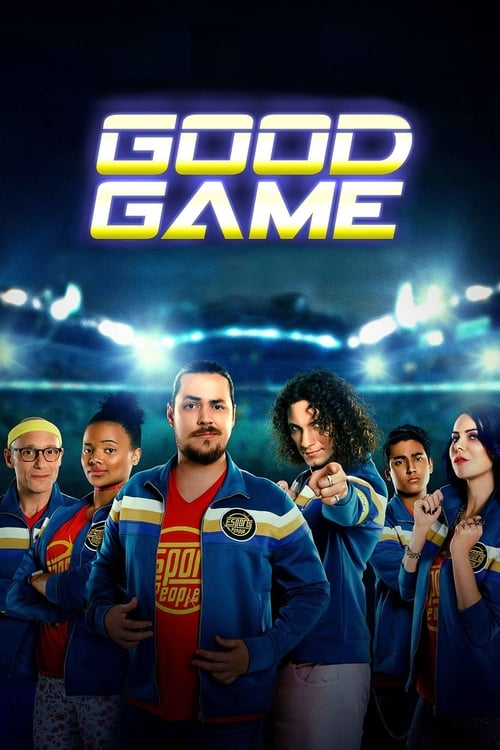
In the pilot episode of "Good Game," we are introduced to the main character, a young and ambitious game developer named "Dylan." He is passionate about creating a unique video game that he believes will revolutionize the industry. Dylan works at a small indie game studio, where he is often overshadowed by his more experienced colleagues. The episode opens with Dylan presenting his game idea to the team, but he faces skepticism and criticism, particularly from his boss, who prioritizes profit over creativity.
As the story progresses, Dylan's frustration grows, and he decides to take matters into his own hands. He secretly begins working on his game prototype after hours, pouring his heart and soul into the project. During this time, we see glimpses of his personal life, including his struggles with self-doubt and the pressure to succeed. He often reflects on his childhood dreams of becoming a game developer, which fuels his determination.
In a pivotal moment, Dylan meets a talented artist named "Maya" at a local gaming convention. Maya is impressed by Dylan's passion and offers to collaborate with him on his game. They bond over their shared love for gaming and creativity, and Dylan feels a renewed sense of hope. Together, they brainstorm ideas and develop the game's storyline, characters, and mechanics, which brings them closer together both professionally and personally.
As they work on the game, they face numerous challenges, including technical difficulties and financial constraints. Dylan's boss becomes increasingly suspicious of his late nights at the studio, leading to tension in the workplace. Despite the obstacles, Dylan and Maya remain committed to their vision, and their relationship deepens as they share their dreams and fears.
Midway through the season, Dylan and Maya finally complete a playable demo of their game. They decide to enter it into a prestigious gaming competition, hoping to gain recognition and funding. The night before the competition, Dylan experiences a crisis of confidence, fearing that their game won't be good enough. Maya reassures him, reminding him of their hard work and the unique aspects of their project.
On the day of the competition, Dylan and Maya present their game to a panel of judges and a live audience. The demo receives a mixed reaction, with some judges praising its originality while others criticize its execution. Dylan feels a mix of pride and anxiety as they await the judges' final decision. In a surprising twist, they win the competition, which propels them into the spotlight and secures funding for their game.
However, success brings new challenges. Dylan's boss, feeling threatened by their achievement, attempts to undermine their project by spreading rumors and creating obstacles. This leads to a confrontation between Dylan and his boss, where Dylan stands up for himself and his vision, asserting that he will not compromise his creativity for profit.
As the season progresses, Dylan and Maya navigate the complexities of their newfound fame and the pressures of the gaming industry. They face setbacks, including a major bug in their game that threatens to derail their progress. In a tense sequence, they work tirelessly to fix the issue before the game's official launch, showcasing their dedication and teamwork.
In the season finale, the game is finally released to the public. The response is overwhelmingly positive, and Dylan and Maya celebrate their success. However, they also reflect on the sacrifices they made along the way, including the toll it took on their personal lives and relationships. The season ends with a cliffhanger, as they receive an unexpected offer from a major gaming company, leaving their future uncertain and setting the stage for potential new challenges in the next season.



What is the ending?
In the ending of "Good Game," the main characters face the culmination of their struggles and ambitions in the competitive gaming world. The series concludes with a tense final match that tests their skills and relationships, leading to significant personal revelations and resolutions.
As the final episode unfolds, we see the characters preparing for the climactic tournament. The atmosphere is charged with anticipation and anxiety. The main character, a talented but conflicted gamer, grapples with the pressure of expectations from both their team and themselves. They reflect on their journey, the friendships forged, and the sacrifices made along the way.
The tournament begins, and the screen is filled with vibrant visuals of the game world, showcasing the intense competition. Each character's unique skills and strategies come into play, highlighting their growth throughout the series. The stakes are high, and the tension escalates as they face formidable opponents.
During the match, moments of doubt and fear surface, particularly for the protagonist, who struggles with their self-worth and the fear of failure. However, with encouragement from teammates, they find the strength to push through. The emotional weight of their journey culminates in a pivotal moment where they must make a critical decision that could change the outcome of the game.
As the final match reaches its climax, the characters experience a mix of triumph and defeat. The protagonist ultimately realizes that winning isn't everything; the bonds formed and the experiences shared are what truly matter. The match concludes with a bittersweet victory, as they learn to embrace both success and failure.
In the aftermath, the characters reflect on their experiences. The protagonist decides to take a step back from the competitive scene to focus on personal growth and relationships, while other team members contemplate their futures in gaming. The series ends on a hopeful note, emphasizing the importance of friendship, resilience, and the journey over the destination.
In summary, the ending of "Good Game" encapsulates the characters' growth and the lessons learned through their experiences in the gaming world, leaving viewers with a sense of closure and inspiration.
Is there a post-credit scene?
In the 2017 TV show "Good Game," there is indeed a post-credit scene that adds a humorous twist to the series. After the main credits roll, viewers are treated to a brief moment featuring the character of Dan, who is known for his quirky and often over-the-top personality.
In this scene, Dan is seen in a gaming chair, intensely focused on a video game. The camera zooms in on his face, capturing the mix of determination and anxiety as he navigates a particularly challenging level. Suddenly, he lets out a loud, exaggerated scream of frustration when he fails, causing his gaming setup to shake.
The scene then cuts to his roommate, who is in the kitchen, rolling his eyes at the commotion. He shouts a sarcastic remark about Dan's gaming skills, which only fuels Dan's competitive spirit. The playful banter between them highlights their dynamic and sets a light-hearted tone, leaving the audience with a smile as the credits conclude.
This post-credit moment encapsulates the show's comedic essence and reinforces the themes of friendship and rivalry that run throughout the series.
What challenges does the main character face in the gaming industry?
In 'Good Game', the main character, a passionate game developer named 'Dylan', faces numerous challenges in the gaming industry, including intense competition from larger companies, the struggle to secure funding for his indie game, and the pressure to innovate while staying true to his creative vision. Dylan's journey is marked by moments of self-doubt and the fear of failure, which are compounded by the expectations of his peers and the gaming community.
How does the relationship between Dylan and his best friend evolve throughout the series?
Dylan's relationship with his best friend, 'Sam', undergoes significant changes throughout 'Good Game'. Initially, they share a strong bond rooted in their mutual love for gaming and creativity. However, as Dylan becomes more consumed by his ambitions and the pressures of the industry, tensions arise. Sam feels neglected and struggles with his own aspirations, leading to conflicts that test their friendship. Ultimately, they must confront their differences and find a way to support each other, highlighting the importance of communication and understanding.
What role does the character 'Maya' play in Dylan's journey?
Maya, a talented game designer, plays a crucial role in Dylan's journey in 'Good Game'. She becomes both a collaborator and a romantic interest, pushing Dylan to challenge his creative boundaries. Her innovative ideas and strong work ethic inspire Dylan, but their relationship is complicated by the pressures of the industry and personal insecurities. Maya's presence in the story serves as a catalyst for Dylan's growth, as he learns to balance his professional ambitions with personal connections.
What is the significance of the indie game competition in the plot?
The indie game competition serves as a pivotal plot point in 'Good Game', representing both an opportunity and a source of stress for Dylan. It symbolizes the chance for recognition and validation in a competitive industry, but also heightens the stakes for Dylan and his team. As they prepare for the competition, the pressure mounts, leading to moments of creativity, conflict, and self-discovery. The outcome of the competition ultimately influences the characters' futures and their relationships with one another.
How does the character 'Eli' impact the dynamics within the team?
Eli, a charismatic yet unpredictable team member, significantly impacts the dynamics within Dylan's team in 'Good Game'. His bold ideas and unconventional approach often clash with the more cautious perspectives of other team members, creating tension and conflict. Eli's presence challenges the team to think outside the box, but it also leads to moments of frustration and doubt. As the series progresses, the team learns to navigate these differences, ultimately finding a balance between creativity and collaboration.
Is this family friendly?
"Good Game," produced in 2017, is a comedy series that revolves around the world of video gaming and the lives of its characters. While the show is primarily light-hearted and humorous, there are a few aspects that may be considered objectionable or upsetting for children or sensitive viewers:
-
Mild Language: The show contains some instances of mild profanity and slang that may not be suitable for younger audiences.
-
Adult Themes: There are references to adult relationships and situations that may not be appropriate for children, including discussions about dating and personal conflicts.
-
Gaming Violence: As the series is set in the gaming world, there are scenes depicting video game violence, which might be unsettling for some viewers, especially younger children.
-
Emotional Conflicts: Characters experience personal struggles, including feelings of inadequacy, jealousy, and failure, which may resonate deeply and evoke emotional responses.
-
Social Issues: The show touches on themes of competition, bullying, and social dynamics within the gaming community, which could be sensitive topics for some viewers.
Overall, while "Good Game" is designed to entertain and engage, parents may want to consider these elements when determining its suitability for younger audiences.









