













Popular
What challenges do Maximilian and Marie face in their marriage due to political alliances?
How does the relationship between Maximilian and Marie evolve throughout the series?
What role does the character of Charles the Bold play in the story?
How does the series depict the conflict between the Habsburgs and the Burgundians?
What is the significance of Marie's struggle for power in the series?
Should I watch it?
Ask Your Own Question

What is the plot?
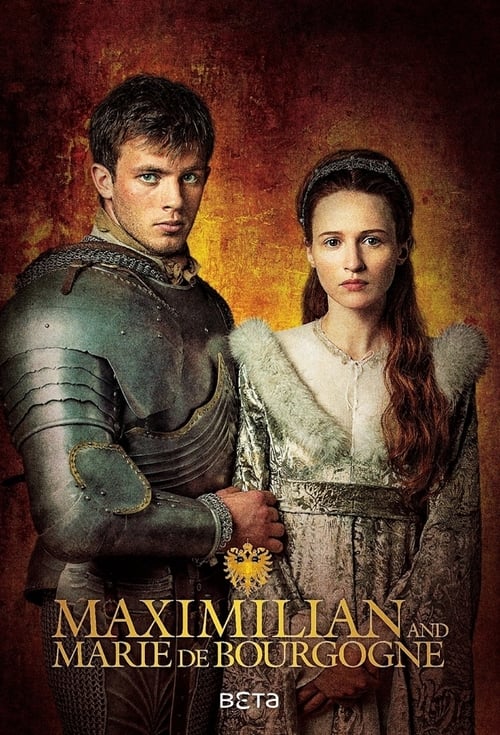
In the late 15th century, the story begins in the Duchy of Burgundy, where the young and ambitious Marie de Bourgogne is introduced. She is the only child of Charles the Bold, the Duke of Burgundy, who has just died, leaving her to inherit a powerful but fragmented realm. Marie is determined to maintain her father's legacy and secure her position as the Duchess. Her mother, Isabella, is a strong influence, urging her to marry strategically to strengthen their political power.
As Marie navigates her new responsibilities, she is introduced to Maximilian of Habsburg, the son of the Holy Roman Emperor. Their initial meeting is marked by tension, as Maximilian is aware of the political stakes involved in their potential union. Despite this, there is an undeniable chemistry between them. Marie's advisors, however, are skeptical of Maximilian's intentions, fearing that he may seek to dominate Burgundy rather than support it.
In a pivotal moment, Marie decides to accept Maximilian's proposal of marriage, believing it to be a necessary alliance to protect her duchy from external threats, particularly from France. The wedding is a grand affair, filled with opulence, but it is also overshadowed by the political machinations surrounding it. Marie's decision to marry Maximilian is met with mixed reactions from her court, with some seeing it as a betrayal of her father's legacy.
After their marriage, the couple faces immediate challenges. France, under King Louis XI, views the union as a threat and begins to plot against Burgundy. Marie and Maximilian must navigate the treacherous waters of diplomacy, balancing their personal relationship with the demands of their respective realms. Tensions rise as they confront the reality of their political situation, leading to moments of doubt and conflict between them.
As the story progresses, Marie becomes increasingly aware of the complexities of ruling alongside Maximilian. She struggles with her identity as a powerful duchess while also being a wife. Their relationship is tested when Maximilian's ambitions begin to clash with Marie's desire to maintain her independence and the integrity of Burgundy. This internal conflict leads to heated arguments, revealing their differing views on governance and loyalty.
The situation escalates when King Louis XI launches a military campaign against Burgundy, seeking to reclaim territories. Marie and Maximilian must rally their forces and strategize to defend their land. In a tense battle sequence, they lead their troops into combat, showcasing their bravery and determination. The chaos of war brings them closer together, but it also exposes the fragility of their alliance as they face losses and the harsh realities of leadership.
In the aftermath of the battle, Marie is devastated by the casualties and begins to question the cost of their ambitions. Maximilian, on the other hand, is focused on consolidating power and expanding their influence. This divergence in priorities creates a rift between them, leading to a critical moment where Marie must assert her authority as duchess. She takes a stand against Maximilian's plans, insisting on a more cautious approach to avoid further bloodshed.
As political tensions continue to rise, Marie receives news of a potential alliance with England, which could provide much-needed support against France. She sees this as an opportunity to strengthen her position but must convince Maximilian to agree to the alliance. Their discussions are fraught with tension, as Maximilian is wary of overextending their resources. Ultimately, Marie's determination prevails, and they agree to pursue the alliance, showcasing her growth as a leader.
The narrative takes a dramatic turn when Marie learns of a betrayal within her court, orchestrated by those who oppose her rule. This revelation forces her to confront the reality of her position and the dangers that come with it. In a tense confrontation, she uncovers the conspirators and must decide how to deal with them. Her choice to show mercy rather than execute them reflects her desire to lead with compassion, but it also leaves her vulnerable to further plots against her.
As the story nears its climax, Marie and Maximilian face a final confrontation with King Louis XI, who seeks to undermine their rule. In a strategic move, they unite their forces with the English, leading to a decisive battle. The stakes are high, and both Marie and Maximilian must put aside their differences to fight for their future. The battle is intense, filled with moments of bravery and sacrifice, ultimately leading to a hard-fought victory.
In the aftermath of the battle, Marie and Maximilian emerge as a stronger united front, having faced their challenges together. However, the victory comes at a cost, and they must grapple with the losses they have endured. The emotional toll of their journey weighs heavily on both of them, leading to a moment of reflection where they reaffirm their commitment to each other and their shared vision for Burgundy.
The series concludes with Marie and Maximilian looking towards the future, aware of the ongoing challenges they will face as rulers. Their relationship has evolved, marked by both conflict and collaboration, and they stand ready to face whatever comes next, united in their ambition to secure a prosperous future for Burgundy.








What is the ending?
In the ending of "Maximilian and Marie De Bourgogne," the story culminates in a tragic and poignant conclusion. Maximilian, after enduring numerous political and personal challenges, faces the loss of his beloved Marie, who dies in childbirth. The weight of their struggles and the political machinations surrounding them lead to a somber reflection on their love and the sacrifices made for power and legacy.
As the narrative unfolds, the final scenes begin with Maximilian grappling with the reality of Marie's impending childbirth. The atmosphere is tense, filled with a mix of hope and dread. Marie, despite her frail condition, is determined to bring their child into the world, embodying both strength and vulnerability. The castle is alive with the sounds of preparations, but there is an undercurrent of anxiety as the court is aware of the risks involved.
In the birthing chamber, the scene is intimate yet fraught with tension. Marie is surrounded by her ladies-in-waiting and a midwife, but her focus is solely on Maximilian, who stands by her side, his face a mask of concern and love. As the labor progresses, the emotional stakes rise. Marie's determination to give life is palpable, but so is the fear of what may come. Maximilian reassures her, whispering words of encouragement, but his own anxiety is evident in his furrowed brow and clenched fists.
The moment of birth arrives, and the room is filled with a cacophony of cries and shouts. Marie gives everything she has, and after a harrowing struggle, a baby is born. However, the joy is short-lived as Marie's health deteriorates rapidly. The midwife's expression shifts from triumph to alarm as she realizes the complications that arise. Maximilian, now holding their newborn child, watches helplessly as Marie slips away, her strength fading.
In her final moments, Marie looks at Maximilian with love and sorrow, conveying a silent farewell. She implores him to care for their child and to continue their legacy, her voice barely a whisper. Maximilian, overwhelmed with grief, promises her that he will honor her wishes. The scene is heart-wrenching, filled with the weight of unfulfilled dreams and the harsh realities of their political world.
As Marie takes her last breath, the atmosphere in the room shifts from one of hope to profound loss. Maximilian cradles their child, tears streaming down his face, embodying the duality of joy and sorrow. The camera lingers on his expression, capturing the depth of his despair and the burden of responsibility that now rests on his shoulders.
In the aftermath, Maximilian is left to navigate the treacherous waters of politics and power without Marie by his side. The final scenes depict him as a solitary figure, grappling with the legacy of their love and the challenges that lie ahead. The court is shown in disarray, reflecting the instability that follows Marie's death. Maximilian's resolve hardens as he vows to protect their child and uphold the ideals they shared, but the weight of his loss is ever-present.
The series concludes with a poignant reminder of the sacrifices made in the name of love and duty. Maximilian stands at the window of the castle, looking out at the horizon, a mixture of hope and sorrow in his heart. The final shot captures him holding the baby, a symbol of their enduring love, as the screen fades to black, leaving the audience with a sense of both closure and the lingering impact of their tragic story.
Is there a post-credit scene?
The TV show "Maximilian and Marie de Bourgogne" does not feature a post-credit scene. The series concludes its narrative without any additional scenes after the credits, focusing instead on the dramatic and emotional arcs of the main characters throughout the episodes. The final moments of the series encapsulate the themes of love, power, and the historical context of the time, leaving viewers with a poignant sense of closure regarding the fates of Maximilian and Marie.
What challenges do Maximilian and Marie face in their marriage due to political alliances?
Maximilian and Marie's marriage is fraught with political tension as they navigate the complexities of uniting their respective territories. Marie, the heiress of Burgundy, is under immense pressure to secure her family's legacy, while Maximilian, representing the Habsburgs, must balance his ambitions with the expectations of his own family. Their differing priorities lead to conflicts, particularly when Marie's desire for independence clashes with Maximilian's need for political consolidation.
How does the relationship between Maximilian and Marie evolve throughout the series?
Initially, Maximilian and Marie's relationship is one of political convenience, but as they face external threats and personal losses, their bond deepens. They experience moments of tenderness and shared grief, particularly after the death of Marie's father, which forces them to rely on each other. However, their relationship is also tested by jealousy and ambition, especially as Marie struggles with her role as a ruler and a wife.
What role does the character of Charles the Bold play in the story?
Charles the Bold, Marie's father, is a pivotal character whose ambitions and decisions set the stage for the political landscape of the series. His desire to expand Burgundy's power creates tension with neighboring territories and ultimately leads to his downfall. His relationship with Marie is complex; he is both a protective father and a domineering figure whose expectations weigh heavily on her, influencing her choices and her marriage to Maximilian.
How does the series depict the conflict between the Habsburgs and the Burgundians?
The series vividly portrays the historical conflict between the Habsburgs and the Burgundians through intense political maneuvering and military confrontations. Maximilian's efforts to unite the Habsburgs with Burgundy through his marriage to Marie are constantly undermined by rival factions and external threats. The tension escalates as both sides engage in strategic alliances and betrayals, showcasing the brutal realities of power struggles during the late 15th century.
What is the significance of Marie's struggle for power in the series?
Marie's struggle for power is central to her character arc, as she grapples with the limitations imposed on her by her gender and societal expectations. Throughout the series, she seeks to assert her authority as a ruler in her own right, often clashing with Maximilian's ambitions. Her determination to protect her inheritance and her people drives her actions, leading to moments of both vulnerability and strength as she navigates the treacherous waters of political intrigue.
Is this family friendly?
"Maximilian and Marie de Bourgogne" is a historical drama that explores themes of power, love, and political intrigue set in the late 15th century. While the show is rich in historical context and character development, it does contain some elements that may be considered objectionable or upsetting for children or sensitive viewers.
-
Violence and Warfare: The series depicts battles and conflicts that include scenes of violence, which may be intense and graphic. The portrayal of war can be unsettling, with moments of bloodshed and the consequences of conflict.
-
Political Intrigue and Betrayal: The narrative involves complex political maneuvering, betrayal, and manipulation, which may be difficult for younger viewers to fully understand and could evoke feelings of tension and anxiety.
-
Death and Loss: Characters experience significant loss, including the death of loved ones. These moments are portrayed with emotional weight and can be distressing.
-
Romantic Tensions: The show explores romantic relationships that include themes of desire, jealousy, and heartbreak, which may not be suitable for younger audiences.
-
Mature Themes: The series touches on themes of power struggles, ambition, and the sacrifices made for political gain, which may be more appropriate for older teens and adults.
Overall, while the show is visually stunning and offers a deep dive into historical events, its mature themes and depictions of violence and emotional turmoil may not be suitable for all viewers, particularly children.