









Popular
What is the significance of the arcade games in Hi Score Girl?
How does Haruo's relationship with Akira develop throughout the season?
What role does the character of Koharu play in Haruo's life?
How does Haruo's competitive nature affect his friendships?
What are the key moments that highlight Haruo's character growth in the season?
Should I watch it?
Ask Your Own Question

What is the plot?
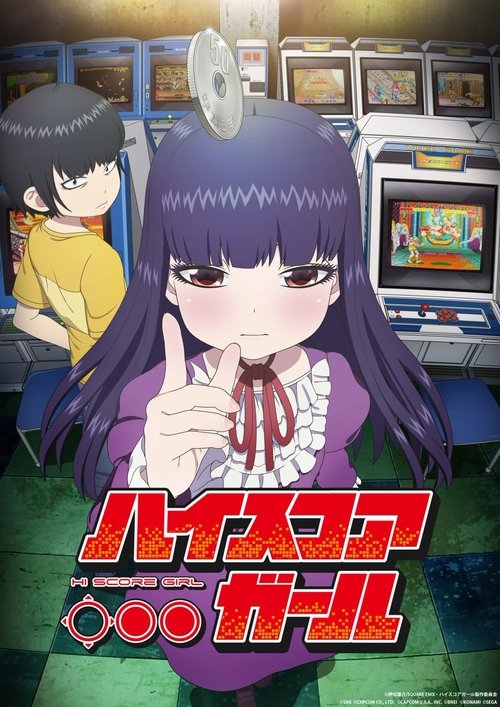
In the late 1990s, in a small town in Japan, we are introduced to Haruo Yaguchi, a socially awkward middle school student who is deeply passionate about arcade gaming. Haruo spends most of his time at the local arcade, where he plays various fighting games, particularly "Street Fighter II." He is determined to become the best player, often practicing alone and honing his skills. His life revolves around gaming, and he finds solace in the pixelated worlds, where he can escape from the pressures of school and social interactions.
One day, while at the arcade, Haruo encounters Akira Oono, a quiet and seemingly aloof girl from his school. To his surprise, Akira is an exceptional player, and she quickly defeats him in a match. This unexpected loss ignites a competitive spark in Haruo, and he becomes determined to improve his skills to challenge her again. Akira's presence in the arcade becomes a significant motivation for him, as he admires her talent and begins to develop a crush on her.
As the story progresses, Haruo and Akira's relationship evolves. They start to spend more time together at the arcade, where they engage in friendly competition. Haruo learns more about Akira's background; she comes from a wealthy family and is often isolated due to her status. Despite their differences, they bond over their shared love for gaming. Haruo's determination to win against Akira pushes him to practice harder, and he begins to see improvements in his gameplay.
Meanwhile, Haruo's childhood friend, Koharu, who has harbored feelings for him, becomes increasingly aware of the growing connection between Haruo and Akira. Koharu is supportive but also feels a pang of jealousy as she watches Haruo become more engrossed in his rivalry with Akira. This dynamic adds tension to their friendship, as Koharu struggles with her emotions while trying to maintain her bond with Haruo.
The narrative takes a turn when Haruo and Akira enter a local gaming tournament. The stakes are high, and both are eager to prove themselves. Haruo's competitive spirit is at its peak, and he is determined to win not just for himself but also to impress Akira. The tournament is intense, with various skilled players participating. Haruo faces several tough opponents, but his hard work pays off as he advances through the rounds.
During the tournament, Haruo finally faces Akira in the finals. The match is exhilarating, filled with tension and excitement. Both players showcase their skills, and the atmosphere is electric as the crowd cheers them on. Haruo feels a mix of anxiety and exhilaration, knowing that this match is not just about winning but also about his feelings for Akira. In a nail-biting finish, Haruo manages to secure a victory over Akira, but instead of feeling triumphant, he is left with a sense of conflict. He realizes that winning against her has complicated his feelings, as he admires her talent and wants to support her rather than just defeat her.
After the tournament, Haruo and Akira's relationship takes a new turn. They begin to understand each other better, and Haruo's feelings for Akira deepen. However, the emotional complexity of their rivalry and friendship creates a barrier. Akira, who has always been reserved, starts to open up to Haruo, sharing her thoughts and feelings about gaming and her life. This newfound connection brings them closer, but it also highlights the challenges they face due to their different backgrounds.
As the season progresses, Haruo continues to navigate his feelings for both Akira and Koharu. Koharu's jealousy becomes more pronounced, leading to moments of tension between the three characters. Haruo is torn between his long-standing friendship with Koharu and his growing affection for Akira. This internal conflict drives Haruo to reflect on what he truly wants, both in gaming and in his personal relationships.
The season culminates in a climactic moment where Haruo must confront his feelings. He realizes that his passion for gaming is intertwined with his emotions for Akira. In a heartfelt scene, he expresses his admiration for her not just as a player but as a person. Akira, in turn, acknowledges her respect for Haruo's dedication and skill. This moment solidifies their bond, setting the stage for future developments in their relationship.
The season ends with Haruo, Akira, and Koharu at the arcade, where they share a moment of camaraderie. Despite the complexities of their relationships, they find joy in gaming together. Haruo's journey of self-discovery continues, as he learns to balance his passion for gaming with the intricacies of friendship and love. The final scene leaves viewers with a sense of anticipation for what lies ahead for Haruo and his friends, hinting at the challenges and growth they will face in the future.
Related Titles
Browse All Titles →



What is the ending?
In the ending of "Hi Score Girl," season 1, Haruo Yaguchi finds himself in a complicated emotional situation as he navigates his feelings for both Akira Oono and his childhood friend, Koharu Hidaka. The season culminates in a climactic arcade showdown, where Haruo faces off against his rival, and the bonds between the characters deepen, setting the stage for future developments.
As the final episodes unfold, the narrative begins with Haruo, who has been increasingly drawn into the world of competitive gaming. He is determined to prove himself, especially against his rival, the skilled player Nao. The stakes are high, and the atmosphere is charged with tension as Haruo prepares for the ultimate showdown.
Scene by scene, the tension builds. Haruo's internal struggle is palpable; he is torn between his passion for gaming and his growing feelings for Akira, who has been a constant presence in his life. Akira, a quiet and reserved girl, has shown her support for Haruo, and their bond has deepened through their shared experiences in the arcade. Meanwhile, Koharu, who has been Haruo's friend since childhood, also harbors feelings for him, creating a love triangle that complicates Haruo's emotions.
As the arcade tournament approaches, Haruo trains rigorously, practicing his skills and strategizing for the match. The atmosphere in the arcade is electric, filled with spectators eager to witness the showdown. Haruo's determination is evident; he wants to win not just for himself but to impress Akira and prove his worth.
The day of the tournament arrives, and the arcade is bustling with excitement. Haruo faces off against Nao in a series of intense matches. Each round is filled with nail-biting moments, showcasing their skills and the depth of their rivalry. Haruo's focus is unwavering, but flashes of doubt creep in as he thinks about Akira and Koharu, both of whom are watching him closely.
In the final match, Haruo's resolve is tested. He recalls the support of his friends and the moments he has shared with Akira, which fuels his determination. The match reaches a fever pitch, and Haruo manages to pull off a stunning victory, earning the respect of his peers and solidifying his place in the gaming community.
After the tournament, the emotional weight of the events settles in. Haruo is elated by his victory, but he is also confronted with the reality of his relationships. Akira approaches him, and their connection is palpable, filled with unspoken feelings. Koharu, on the other hand, watches from a distance, her own feelings of longing and sadness evident.
The season concludes with a sense of unresolved tension. Haruo stands at a crossroads, with his future in gaming bright but his personal relationships complicated. The final scenes leave viewers with a poignant sense of anticipation, as the characters' journeys are far from over. Haruo, Akira, and Koharu are left to navigate their feelings and the implications of their relationships, setting the stage for further exploration in future seasons.
Is there a post-credit scene?
In "Hi Score Girl," Season 1, there is no post-credit scene. The series concludes its episodes without any additional content after the credits roll. The focus remains on the main storyline and character development throughout the episodes, particularly highlighting the relationships and rivalries among the characters in the context of arcade gaming during the 1990s. The absence of a post-credit scene allows the emotional weight of the final moments of each episode to resonate without distraction.
What is the significance of the arcade games in Hi Score Girl?
The arcade games serve as a backdrop for the characters' interactions and development. They reflect the era of the 1990s gaming culture and are integral to the friendships and rivalries that form between the characters, particularly between Haruo and Akira.
How does Haruo's relationship with Akira develop throughout the season?
Haruo's relationship with Akira evolves from a competitive dynamic to a deeper emotional connection. Initially, Haruo is infatuated with gaming and sees Akira as a rival. However, as they spend more time together, especially during gaming sessions, he begins to appreciate her skills and personality, leading to a budding romance.
What role does the character of Koharu play in Haruo's life?
Koharu serves as a contrasting character to Akira. She is Haruo's childhood friend who harbors feelings for him. Her presence adds complexity to Haruo's emotional journey, as he navigates his feelings for both her and Akira, creating tension and conflict in his relationships.
How does Haruo's competitive nature affect his friendships?
Haruo's intense competitive nature often puts a strain on his friendships, particularly with Akira and his other peers. His desire to be the best gamer leads to moments of jealousy and rivalry, but it also fosters camaraderie as they challenge each other, ultimately strengthening their bonds.
What are the key moments that highlight Haruo's character growth in the season?
Key moments that highlight Haruo's character growth include his realization of the importance of friendship over competition, particularly during pivotal gaming matches where he learns to appreciate teamwork. Additionally, his interactions with Akira and Koharu force him to confront his feelings, leading to a more mature understanding of relationships.
Is this family friendly?
"Hi Score Girl" is generally considered family-friendly, but there are a few aspects that might be objectionable or upsetting for children or sensitive viewers.
-
Mild Language: There are instances of mild swearing and slang that may not be suitable for younger audiences.
-
Romantic Tension: The show features elements of romantic tension and crushes among the characters, which may be confusing for younger viewers.
-
Bullying: There are scenes depicting bullying and social anxiety, particularly in school settings, which could be distressing for some children.
-
Video Game Violence: While the violence is cartoonish and part of the gaming context, there are scenes of characters engaging in competitive fighting games that may not be suitable for very young children.
-
Emotional Struggles: Characters experience feelings of inadequacy, jealousy, and loneliness, which may resonate deeply with sensitive viewers.
Overall, while the show is lighthearted and focuses on gaming culture, these elements may require parental guidance for younger audiences.