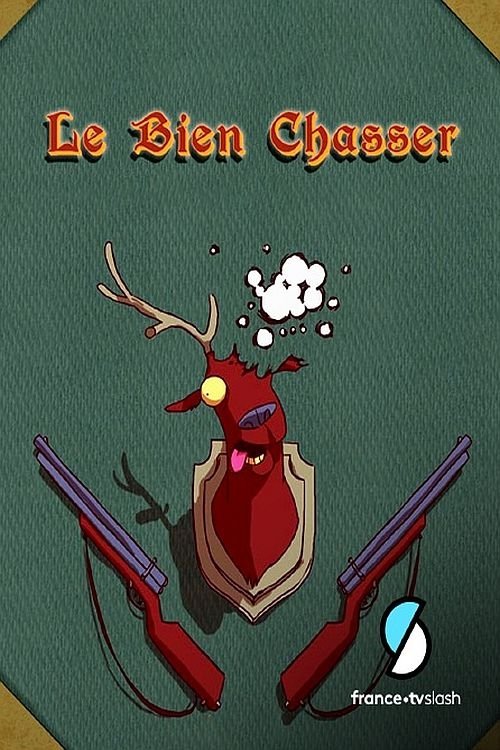






Popular
What motivates the main character, Luc, to become a hunter in Le Bien Chasser?
How does the relationship between Luc and his mentor, Henri, evolve throughout the series?
What role does the mysterious creature play in the plot of Le Bien Chasser?
How does the conflict between traditional hunting practices and modern ethics manifest in the series?
What is the significance of the hunting competition in the storyline?
Should I watch it?
Ask Your Own Question

What is the plot?
In the small, isolated village of Saint-Laurent, the story begins with the arrival of a mysterious stranger named Victor. He is a skilled hunter, and his presence stirs curiosity and suspicion among the villagers. Victor is searching for a legendary creature said to inhabit the nearby forest, a creature that has been the subject of local folklore for generations. The villagers, particularly the local hunters, are wary of Victor's intentions, fearing that his presence may disrupt the delicate balance of their way of life.
As Victor integrates into the village, he befriends a young woman named Elise, who is fascinated by his stories of the hunt and the creature he seeks. Elise is torn between her loyalty to her family, who are traditional hunters, and her growing admiration for Victor's adventurous spirit. Meanwhile, the village elder, Monsieur Dupont, warns the villagers about the dangers of the creature, insisting that it is a harbinger of misfortune. His warnings create tension, as some villagers begin to believe that Victor's arrival is linked to the recent string of mysterious disappearances in the area.
One night, during a village gathering, a local hunter named Pierre confronts Victor, accusing him of bringing bad luck. The confrontation escalates into a heated argument, and Victor challenges Pierre to a hunting contest to prove his skills. The villagers are divided, with some supporting Victor and others siding with Pierre. The contest is set for the following week, and the stakes are high: the winner will gain the respect of the village and the right to lead the next hunting expedition.
As the contest approaches, Victor and Elise grow closer, sharing their dreams and fears under the stars. Victor reveals his true motivation for hunting the creature: he believes it holds the key to understanding his own past and the loss of his family. Elise, moved by his vulnerability, decides to help him prepare for the contest, despite the disapproval of her family. They spend long hours in the forest, honing their skills and learning to trust each other.
On the day of the contest, the atmosphere is tense. The villagers gather to witness the showdown between Victor and Pierre. The rules are simple: they must track and capture a wild boar within the forest. As they set off, Victor employs his knowledge of the terrain and his instincts, while Pierre relies on traditional hunting methods. The competition is fierce, with both hunters displaying their skills. However, as they delve deeper into the forest, they encounter signs of the legendary creature, which heightens the stakes.
During the hunt, Victor and Pierre's rivalry intensifies, leading to a dangerous confrontation. Pierre, driven by jealousy and anger, sabotages Victor's efforts, causing him to stumble into a hidden trap. Victor is injured, and Pierre takes advantage of the situation, attempting to claim victory for himself. However, Elise intervenes, using her knowledge of the forest to help Victor escape the trap. Together, they manage to evade Pierre, who is left frustrated and humiliated.
As Victor and Elise continue their pursuit of the boar, they stumble upon the lair of the legendary creature. It is a magnificent beast, both terrifying and beautiful, embodying the essence of the forest. Victor is awestruck, realizing that the creature is not a monster but a guardian of the land. He faces a moral dilemma: should he capture the creature for glory, or protect it and honor its role in the ecosystem? In a moment of clarity, Victor decides to let the creature go, understanding that true strength lies in preservation rather than conquest.
Meanwhile, Pierre, enraged by his loss, rallies a group of villagers to hunt down the creature, convinced that it is responsible for the recent disappearances. The villagers, fueled by fear and superstition, set out with weapons, determined to kill the beast. Victor and Elise, realizing the danger, race back to the village to warn everyone. They arrive just in time to confront the mob, pleading with them to reconsider their actions.
In a climactic showdown, Victor stands before the villagers, passionately arguing for the creature's life. He shares his own story of loss and the importance of coexistence with nature. The villagers are torn, but Elise's support sways many to reconsider their stance. Just as the mob is about to attack, the legendary creature appears, majestic and powerful. It stands between the villagers and the hunters, a symbol of nature's resilience.
The villagers, faced with the reality of the creature's existence, begin to question their beliefs. In a moment of unity, they lower their weapons, realizing that the true threat lies not in the creature but in their own fear and ignorance. Victor's bravery and Elise's unwavering support inspire a change in the village's perspective, leading to a newfound respect for the forest and its inhabitants.
In the aftermath, the village begins to heal. Victor, having found a sense of belonging, decides to stay in Saint-Laurent, working alongside the villagers to protect the forest. Elise, now a key figure in the community, helps bridge the gap between tradition and progress. The story concludes with a sense of hope, as the villagers learn to coexist with the legendary creature, embracing the mysteries of the forest rather than fearing them.

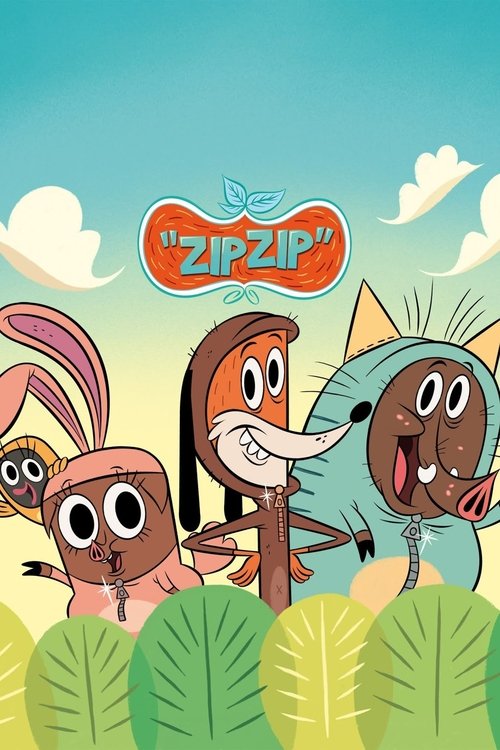




What is the ending?
In the ending of "Le Bien Chasser," the protagonist, Antoine, confronts the consequences of his actions throughout the series. After a series of intense confrontations with both his allies and enemies, he ultimately makes a sacrifice that leads to a resolution of the central conflict. The fate of the main characters is sealed as they grapple with their choices, leading to a bittersweet conclusion.
As the final episode unfolds, we find Antoine standing at the edge of a dense forest, the sun setting behind him, casting long shadows that symbolize the weight of his decisions. He is visibly torn, his face a canvas of regret and determination. The air is thick with tension as he prepares to face his adversary, a rival hunter named Luc, who has been a constant threat throughout the series.
Scene breaks reveal the emotional stakes:
In the first scene, Antoine recalls moments from his past, flashes of laughter with his late father, who taught him the ways of the hunt. This memory fuels his resolve, reminding him of the values he holds dear. He grips his hunting rifle tightly, the wood warm against his palm, a symbol of his heritage and the burden of expectation.
The next scene shifts to Luc, who is preparing for the final confrontation. He is in a dimly lit cabin, surrounded by trophies of his past hunts. The walls are adorned with the heads of animals he has slain, a testament to his ruthless nature. Luc's eyes glint with a mix of ambition and malice as he sharpens his knife, his motivations clear: he seeks to prove himself as the ultimate hunter, willing to eliminate anyone who stands in his way.
As the two men finally meet in the heart of the forest, the atmosphere is electric. The trees loom overhead, their branches swaying gently in the wind, as if nature itself is holding its breath. Antoine and Luc exchange heated words, their voices echoing through the stillness. Antoine's internal struggle is palpable; he knows that to defeat Luc, he must not only outsmart him but also confront the darkness within himself.
The confrontation escalates into a physical struggle, both men grappling for dominance. The forest floor is littered with fallen leaves, crunching underfoot as they move. Antoine, fueled by a mix of fear and determination, manages to gain the upper hand. In a moment of clarity, he realizes that killing Luc would not bring him peace; instead, it would perpetuate the cycle of violence that has haunted him.
In a pivotal moment, Antoine lowers his weapon, choosing mercy over vengeance. This decision shocks Luc, who is momentarily disarmed by Antoine's unexpected compassion. The tension hangs in the air, thick and unresolved, as Luc's expression shifts from anger to confusion. Antoine's choice reflects his growth throughout the series, showcasing his evolution from a vengeful hunter to a man seeking redemption.
The final scene reveals the aftermath of their confrontation. Luc, realizing he has lost not just the fight but also the battle for his own humanity, retreats into the shadows of the forest, leaving Antoine standing alone. The sun dips below the horizon, casting a warm glow that envelops Antoine, symbolizing hope and the possibility of a new beginning.
As the credits roll, we see glimpses of Antoine's future: he returns to his community, where he is greeted with a mix of skepticism and respect. He begins to teach the younger generation about the balance of nature and the importance of coexistence, embodying the lessons he has learned. The series closes on a note of reflection, emphasizing the themes of redemption, the complexity of human nature, and the enduring struggle between good and evil. Each character's fate is intertwined with Antoine's journey, leaving viewers with a sense of closure and the understanding that true strength lies in compassion.
Is there a post-credit scene?
In the 2018 TV show "Le Bien Chasser," there is indeed a post-credit scene that adds an intriguing layer to the narrative.
As the credits roll, the screen fades to black before transitioning to a dimly lit forest. The camera pans slowly through the trees, creating an atmosphere thick with tension and mystery. The sound of rustling leaves and distant animal calls fills the air, heightening the sense of anticipation.
Suddenly, the scene shifts to a close-up of a figure cloaked in shadows, their face obscured. The figure stands still, listening intently, as if waiting for something--or someone. The tension builds as the camera zooms in on their hand, which clutches a small, intricately carved talisman that glimmers faintly in the moonlight.
The figure then whispers a name, barely audible, but it carries a weight of significance. The name echoes in the stillness of the night, hinting at unresolved conflicts and future confrontations. As the whisper fades, the camera pulls back to reveal a pair of glowing eyes watching from the darkness, suggesting that the hunt is far from over.
This post-credit scene leaves viewers with a sense of foreboding and curiosity, teasing potential plot developments and character arcs that could unfold in future episodes. It encapsulates the show's themes of mystery and the eternal struggle between hunter and hunted, ensuring that the audience is left pondering the implications long after the episode concludes.
What motivates the main character, Luc, to become a hunter in Le Bien Chasser?
Luc, the protagonist, is driven by a deep-seated desire to connect with his estranged father, who was a renowned hunter. This longing for paternal approval and the need to prove himself in a world that often dismisses him fuels his determination to excel in the hunting community. As he navigates the challenges of the hunt, Luc grapples with his own insecurities and the weight of his father's legacy, which adds layers to his character and emotional journey.
How does the relationship between Luc and his mentor, Henri, evolve throughout the series?
Initially, Luc views Henri as a strict and somewhat intimidating figure, embodying the traditional values of hunting. However, as the series progresses, their relationship deepens. Henri becomes a father figure to Luc, imparting not only hunting skills but also life lessons about respect for nature and the moral complexities of hunting. This evolution is marked by moments of tension and conflict, particularly when Luc challenges Henri's old-school methods, leading to a poignant reconciliation that highlights their mutual respect and understanding.
What role does the mysterious creature play in the plot of Le Bien Chasser?
The mysterious creature serves as both a literal and metaphorical antagonist in the series. It represents the unknown and the primal instincts of nature that the hunters must confront. As Luc and his fellow hunters pursue this elusive being, it becomes a catalyst for their personal growth and moral dilemmas. The creature's appearances are often shrouded in tension, evoking fear and fascination, and ultimately forcing the characters to confront their own motivations and the consequences of their actions.
How does the conflict between traditional hunting practices and modern ethics manifest in the series?
The series intricately weaves the conflict between traditional hunting practices and modern ethical considerations through various characters and plot points. Luc's internal struggle reflects this tension as he grapples with the legacy of his father's methods versus his own evolving beliefs about conservation and respect for wildlife. Key scenes depict heated debates among the hunters, showcasing differing perspectives on what it means to be a responsible hunter in today's world, ultimately leading to pivotal moments that challenge their long-held beliefs.
What is the significance of the hunting competition in the storyline?
The hunting competition serves as a critical turning point in the storyline, acting as a microcosm of the larger themes of ambition, rivalry, and personal growth. It brings together various characters, each with their own motivations, and heightens the stakes for Luc as he seeks validation and recognition. The competition is fraught with tension, showcasing not only the physical challenges of hunting but also the emotional battles within the characters, particularly as Luc faces off against his rivals and confronts his own fears and insecurities.
Is this family friendly?
"Le Bien Chasser," produced in 2018, is a drama that explores complex themes and emotional narratives. While it has moments of depth and character development, it may not be entirely family-friendly due to several potentially objectionable or upsetting aspects.
-
Violence and Conflict: The show contains scenes of physical confrontations and emotional conflicts that may be intense for younger viewers. These moments can evoke feelings of fear or anxiety.
-
Emotional Turmoil: Characters often experience deep emotional struggles, including grief, betrayal, and loss. These themes can be heavy and may resonate strongly with sensitive individuals.
-
Mature Themes: The narrative delves into adult relationships, moral dilemmas, and ethical questions that may not be suitable for children. Discussions around these topics can be complex and challenging.
-
Dark Atmosphere: The overall tone of the show can be somber and reflective, which might be unsettling for younger audiences or those who prefer lighter content.
-
Character Flaws: Some characters exhibit morally ambiguous behavior, which can lead to discussions about right and wrong that may be difficult for children to navigate.
These elements contribute to a viewing experience that may be more appropriate for older teens and adults rather than younger children.