




Popular
Should I watch it?
Ask Your Own Question

What is the plot?
In the opening scene of "Too Hot to Handle," the camera pans over a luxurious beach resort, setting the stage for the contestants who are about to arrive. The atmosphere is vibrant, filled with excitement and anticipation. The host introduces the premise of the show, emphasizing the importance of emotional connections over physical intimacy. The contestants, a diverse group of singles, are shown arriving at the resort, each displaying their unique personalities and initial impressions of one another.
As the contestants settle in, they engage in light-hearted banter and flirtation, showcasing their immediate chemistry. The host gathers everyone for a welcome meeting, where they learn about the rules of the game: any physical contact will result in a deduction from the prize money. The contestants react with a mix of disbelief and excitement, some expressing confidence in their ability to resist temptation, while others seem skeptical about the challenge ahead.
The first challenge is introduced, which involves a series of team-building activities designed to foster connections among the contestants. The groups are formed, and the contestants participate in various tasks that require cooperation and communication. Tensions begin to rise as some contestants struggle to work together, while others form instant bonds. The challenge culminates in a fun and competitive atmosphere, but underlying tensions hint at potential conflicts.
After the challenge, the contestants gather around a bonfire to discuss their experiences. This setting allows for deeper conversations, and some contestants begin to reveal their vulnerabilities and past experiences. Emotional connections start to form, particularly between a few standout pairs who share personal stories, creating a sense of intimacy that contrasts with the show's rules.
As the night progresses, the host announces a twist: one contestant will be chosen to go on a private date with another contestant of their choice. This announcement stirs excitement and jealousy among the group. The chosen pair embarks on their date, which is filled with romantic moments and deeper conversations. They explore their chemistry, but the looming threat of the rules creates an underlying tension.
Back at the resort, the remaining contestants discuss the date, revealing their feelings of jealousy and insecurity. Some express concern about the potential for alliances to form, while others strategize on how to navigate the emotional landscape of the game. This conversation highlights the growing complexity of relationships within the group.
The next day, the contestants participate in another challenge that tests their ability to resist temptation. The challenge involves various scenarios designed to provoke physical attraction, and contestants must navigate their feelings while adhering to the rules. The pressure mounts as some contestants struggle to maintain their composure, leading to moments of vulnerability and temptation.
Following the challenge, the contestants gather for a group discussion, where they reflect on their experiences and the difficulties of the game. Emotions run high as some contestants express frustration with the rules, while others reaffirm their commitment to forming genuine connections. This discussion serves as a turning point, as alliances begin to shift and new dynamics emerge.
As the episode progresses, the host reveals that there will be a "connection ceremony" where contestants can choose to pair up. This announcement heightens the stakes, as contestants must decide whether to pursue their current connections or explore new possibilities. The ceremony unfolds with contestants making their choices, leading to a mix of excitement and heartbreak as some are left without partners.
The episode concludes with a cliffhanger, as the host teases the consequences of the contestants' decisions and hints at upcoming challenges that will further test their resolve. The emotional stakes are raised, leaving viewers eager to see how the relationships will evolve in the next episode.
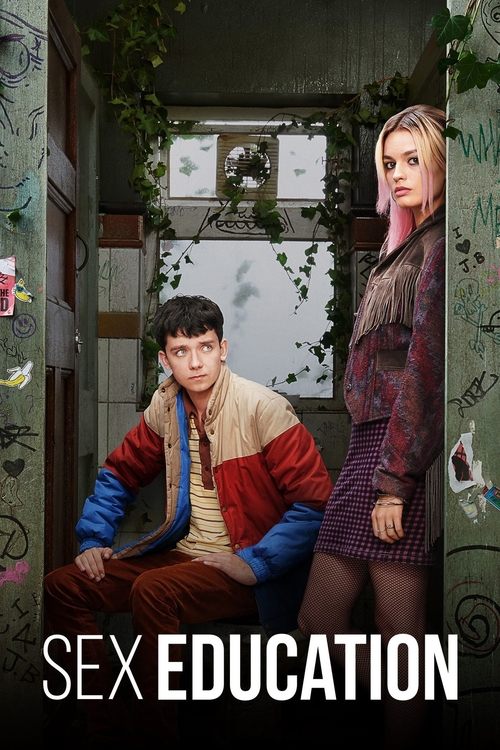
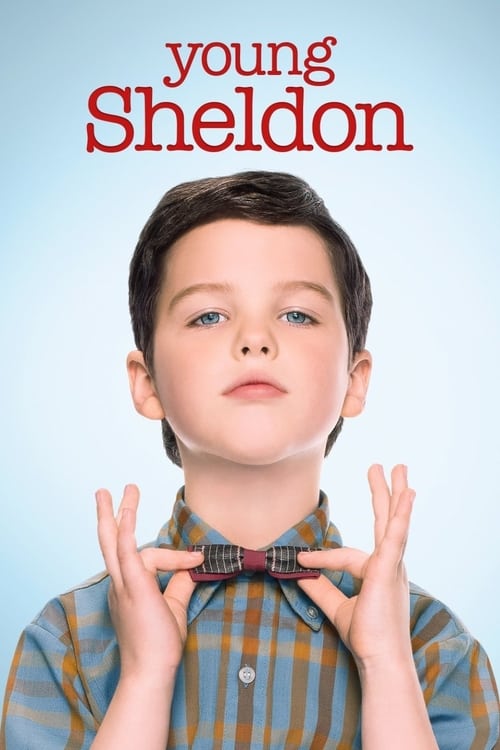







What is the ending?
In the ending of "I Like to Watch," Season 2, Episode 1 titled "Too Hot to Handle," the participants face the consequences of their actions throughout the episode. The tension culminates in a dramatic confrontation, leading to revelations about their relationships and personal growth. Each character reflects on their experiences, and the episode concludes with a sense of resolution and newfound understanding among the group.
As the episode draws to a close, the camera pans over the participants, capturing their emotional states. The atmosphere is charged with a mix of relief and apprehension as they gather to discuss the events that transpired.
Scene 1: The group sits in a circle, the sun setting behind them, casting a warm glow. Tensions are palpable as they begin to share their thoughts. One participant, visibly shaken, admits to feeling vulnerable after opening up about their past. This moment of honesty prompts others to share their own struggles, creating a bond among them.
Scene 2: As the conversation deepens, another participant expresses regret over their earlier behavior, acknowledging how it affected the group dynamic. This admission leads to a heartfelt discussion about accountability and the importance of communication in relationships. The camera captures the shifting expressions on their faces, highlighting the emotional weight of the moment.
Scene 3: The group decides to engage in a final activity that symbolizes their growth. They each write down a personal goal on a piece of paper, reflecting their commitment to change. The act of sharing these goals fosters a sense of unity, and they cheer each other on, reinforcing their support for one another.
Scene 4: The episode concludes with a montage of the participants engaging in various activities, showcasing their newfound camaraderie. Laughter and smiles replace the earlier tension, illustrating the transformation that has taken place. The final shot lingers on the group as they walk away together, a visual representation of their journey from conflict to connection.
In summary, the ending of "Too Hot to Handle" encapsulates the characters' growth and the importance of vulnerability and support in relationships. Each participant leaves with a clearer understanding of themselves and their connections to others, setting the stage for future developments in their stories.
Is there a post-credit scene?
In the episode "Too Hot to Handle" from season 2 of "I Like to Watch," there is indeed a post-credit scene. After the main credits roll, the scene opens with a light-hearted atmosphere as the hosts gather for a casual discussion about the episode's highlights. They share their favorite moments, laughing and playfully teasing each other about their reactions to the show they just watched.
As the conversation flows, one host brings up a particularly outrageous moment from the episode, prompting a humorous debate about what they would do in a similar situation. The camaraderie among the hosts is palpable, showcasing their chemistry and genuine enjoyment of each other's company.
The scene then shifts to a quick montage of bloopers and behind-the-scenes clips, featuring the hosts cracking jokes, struggling with their lines, and engaging in playful antics. This light-hearted conclusion serves to reinforce the fun and entertaining nature of the show, leaving viewers with a sense of joy and anticipation for the next episode. The post-credit scene encapsulates the spirit of "I Like to Watch," emphasizing the hosts' personalities and their shared love for the content they discuss.
What challenges do the contestants face in this episode?
In 'Too Hot to Handle', the contestants face a series of challenges designed to test their emotional connections rather than physical attraction. The first challenge involves a trust exercise where they must pair up and share personal secrets, pushing them to open up and form deeper bonds.
How do the contestants react to the rules of the game?
Upon learning the rules that any physical intimacy will result in a loss of prize money, the contestants exhibit a mix of shock, disbelief, and excitement. Some are determined to play by the rules, while others express skepticism about whether they can resist temptation.
Which contestants form immediate connections in this episode?
In this episode, several contestants, including Francesca and Harry, quickly form a strong connection. Their chemistry is palpable, and they are drawn to each other despite the looming threat of losing money if they act on their attraction.
What role does the character of Lana play in this episode?
Lana, the virtual assistant, plays a crucial role in guiding the contestants through the rules and challenges. She provides them with feedback and encouragement, while also reminding them of the stakes involved, which adds tension to their interactions.
How do the contestants handle their feelings of attraction?
The contestants struggle with their feelings of attraction throughout the episode. Some, like Harry, try to navigate their emotions while adhering to the rules, leading to moments of frustration and temptation, while others, like Francesca, openly express their desire, testing the limits of the game's restrictions.
Is this family friendly?
"I Like to Watch," season 2, episode 1 titled "Too Hot to Handle," features content that may not be considered family-friendly. The episode includes:
-
Mature Themes: The show revolves around adult relationships and dating, which may include discussions or depictions of romantic and sexual situations that could be inappropriate for younger viewers.
-
Suggestive Humor: There are instances of suggestive jokes and innuendos that may not be suitable for children.
-
Emotional Tension: Characters experience emotional conflicts and tensions that could be upsetting for sensitive viewers, particularly around themes of rejection or heartbreak.
-
Language: The dialogue may include strong language or adult slang that could be deemed inappropriate for a younger audience.
These elements contribute to a viewing experience that may not align with family-friendly standards.









