



Popular
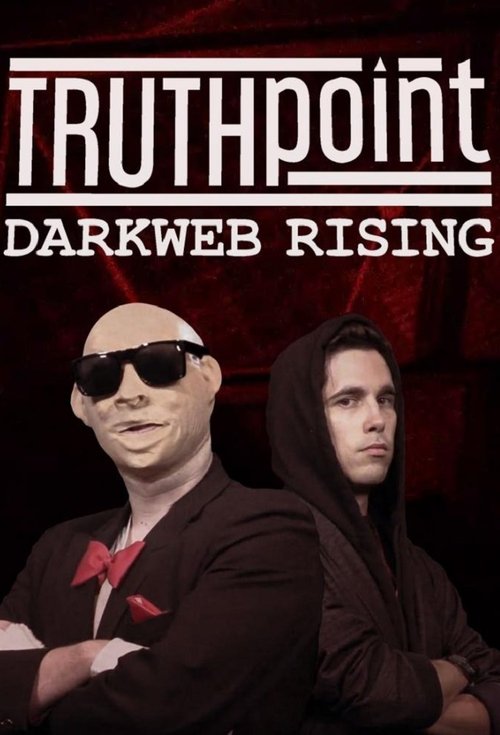
What is the significance of the character 'The Host' in TruthPoint?
How does the character 'Dylan' contribute to the comedic elements of the show?
What role do the guest characters play in the development of the plot?
How does the setting of TruthPoint influence the characters' interactions?
What are the recurring themes in the conversations between The Host and the guests?
Should I watch it?
Ask Your Own Question

What is the plot?
"TruthPoint" begins with the introduction of the main characters, who are part of a futuristic reality show that explores the concept of truth in a world filled with misinformation. The show is hosted by two charismatic figures, who guide the audience through various segments that challenge the contestants' perceptions of reality.
In the first segment, the contestants are introduced to a series of bizarre challenges designed to test their ability to discern truth from lies. The challenges include a game where they must identify real news headlines from fake ones, and a physical obstacle course that symbolizes the struggle for truth in a chaotic world. The contestants display a range of emotions, from excitement to anxiety, as they navigate these challenges.
As the show progresses, tensions rise among the contestants. One contestant, feeling the pressure, begins to form alliances with others, while another contestant becomes increasingly paranoid, convinced that everyone is out to sabotage them. This paranoia leads to a confrontation where accusations fly, and the group dynamics begin to fracture.
In a pivotal moment, the host reveals a twist: one contestant will be eliminated based on their performance in the challenges. This revelation sends shockwaves through the group, as they realize that their fates are now intertwined with their ability to succeed in the upcoming tasks. The stakes are raised, and the contestants must now not only compete against each other but also grapple with their own insecurities and fears.
The next challenge involves a virtual reality simulation where contestants must navigate a maze filled with misleading signs and traps. As they progress, they encounter holographic representations of their deepest fears and doubts. This challenge serves as a metaphor for their internal struggles, and the emotional weight of the experience is palpable. Some contestants break down, while others find strength in confronting their fears.
Following the simulation, the contestants regroup to discuss their experiences. This leads to a moment of vulnerability where they share personal stories about their relationships with truth and deception. The emotional connections formed during this discussion create a temporary truce among the contestants, but the underlying competition remains.
As the elimination round approaches, the host introduces a new element: a public vote where the audience can influence who stays and who goes. This twist adds another layer of complexity, as contestants must now consider how their actions will be perceived by viewers. The pressure mounts, and alliances begin to shift as contestants strategize on how to win favor with the audience.
In the final challenge, the contestants face a series of rapid-fire questions that test their knowledge of current events, historical truths, and philosophical concepts about reality. The intensity of the challenge leads to a frantic atmosphere, with contestants racing against the clock to answer correctly. Mistakes are made, and emotions run high as the fear of elimination looms over them.
After the final challenge, the host announces the results of the public vote. The tension is palpable as the contestants await the verdict. One contestant is ultimately eliminated, leading to a mix of relief and sorrow among the remaining participants. The eliminated contestant expresses their disappointment but also a sense of clarity about their own relationship with truth.
In the closing moments of the episode, the remaining contestants reflect on their journey thus far. They acknowledge the challenges they faced, both externally and internally, and begin to form a deeper understanding of what truth means to them. The episode ends on a cliffhanger, teasing the next round of challenges and the evolving dynamics among the contestants, leaving viewers eager for more.





What is the ending?
In the ending of "TruthPoint," the characters face the culmination of their journey as they confront the consequences of their actions and the truths they have uncovered. The narrative reaches a climax as they grapple with their beliefs and the reality of their situation, leading to a resolution that leaves them changed.
As the final scenes unfold, the characters are seen in a tense confrontation, where their motivations and fears come to the forefront. The emotional weight of their experiences is palpable, and each character must make a choice that reflects their growth or regression. The ending leaves the audience with a sense of ambiguity, as the characters' fates are intertwined with the larger themes of truth and deception.
In a more detailed narrative:
The final act begins with a dimly lit room, where the main characters, a group of investigative journalists, gather around a table strewn with documents and digital devices. The atmosphere is thick with tension, as they have just uncovered a conspiracy that threatens to upend their understanding of reality. Each character's face is etched with a mix of determination and fear, reflecting their internal struggles.
As they discuss their findings, the camera pans to Sarah, the most idealistic of the group. Her eyes shine with a fervent belief in the power of truth, but there is a flicker of doubt as she contemplates the potential fallout of their revelations. She speaks passionately about the need to expose the truth, her voice trembling with conviction.
Next, we see Mark, the skeptical realist, leaning back in his chair, arms crossed. His expression is one of concern; he worries about the repercussions of their actions. He voices his fears about the safety of their families and the potential backlash from powerful entities. The internal conflict between Sarah's idealism and Mark's pragmatism creates a palpable tension in the room.
As the discussion escalates, the group decides to go public with their findings, believing that the truth must be shared, no matter the cost. They prepare for a live broadcast, each character grappling with their own fears and motivations. The camera captures close-ups of their faces, revealing the sweat on their brows and the intensity in their eyes.
In the moments leading up to the broadcast, we see flashbacks of each character's journey, highlighting their motivations and the personal stakes involved. Sarah recalls her early days as a journalist, driven by a desire to make a difference. Mark reflects on his family and the sacrifices he has made for his career. These flashbacks serve to deepen the audience's understanding of their emotional states as they approach the climax.
As they go live, the tension reaches its peak. The characters present their findings with a mix of urgency and fear, their voices shaking as they reveal the conspiracy. The screen splits to show the reactions of viewers, some in shock, others in disbelief. The emotional weight of the moment is heavy, as they realize they are crossing a line that cannot be uncrossed.
In the aftermath of the broadcast, the characters face the consequences of their actions. Sarah is hailed as a hero by some, but she also receives threats that shake her to her core. Mark, on the other hand, finds himself ostracized by colleagues who fear association with the fallout. The camera captures their expressions of triumph and despair, illustrating the duality of their victory.
The final scene shows the group disbanding, each character walking away in different directions, their fates uncertain. Sarah stands alone, looking out at the horizon, a mixture of hope and fear in her eyes. Mark walks away with a heavy heart, contemplating the cost of truth. The screen fades to black, leaving the audience with lingering questions about the nature of truth and the sacrifices made in its pursuit.
In conclusion, the ending of "TruthPoint" encapsulates the complex interplay of truth, belief, and consequence, leaving the characters forever changed by their choices and the realities they have uncovered.
Is there a post-credit scene?
In the 2019 show "TruthPoint," there is indeed a post-credit scene that adds an intriguing layer to the episode's narrative. After the credits roll, the screen fades back in to reveal a dimly lit room filled with various technological gadgets and screens displaying cryptic data. The camera pans slowly, capturing the cluttered environment, which hints at a secretive operation.
In this scene, we see the character of "The TruthPoint Host," portrayed by the show's creators, engaged in a hushed conversation with a shadowy figure whose face is obscured. The host's expression is a mix of curiosity and concern, reflecting a deep internal conflict about the information they have just uncovered during the episode. The dialogue is cryptic, filled with references to conspiracies and hidden truths, suggesting that the revelations from the main episode are just the tip of the iceberg.
As the conversation unfolds, the host's body language shifts from confident to anxious, indicating a growing realization of the potential consequences of their discoveries. The shadowy figure leans in closer, whispering something that causes the host to widen their eyes in shock. The scene ends abruptly with a flicker of the lights, leaving viewers with a sense of unease and anticipation for what might come next.
This post-credit moment serves to deepen the overarching narrative of "TruthPoint," hinting at larger conspiracies and the host's role in uncovering them, while also leaving the audience with lingering questions about the implications of the truths they seek.
What is the significance of the character 'The Host' in TruthPoint?
The Host serves as the central figure guiding the narrative of TruthPoint, embodying the show's satirical take on media and technology. Their interactions with guests reveal the absurdity of modern discourse, often oscillating between genuine curiosity and a performative facade. The Host's emotional state fluctuates between enthusiasm for the bizarre topics discussed and a palpable frustration with the superficiality of the conversations.
How does the character 'Dylan' contribute to the comedic elements of the show?
Dylan, as a co-host, brings a unique blend of deadpan humor and absurdity to TruthPoint. His reactions to the increasingly bizarre topics and guests often serve as a comedic counterpoint to The Host's more earnest approach. Dylan's internal struggle with the absurdity of the situations they find themselves in adds depth to his character, showcasing a mix of bewilderment and reluctant acceptance of the show's premise.
What role do the guest characters play in the development of the plot?
The guest characters in TruthPoint are pivotal in driving the narrative forward, each representing a different facet of contemporary culture or conspiracy theories. Their eccentricities and outlandish claims challenge both The Host and Dylan, creating a dynamic interplay that highlights the absurdity of their beliefs. The guests' motivations often stem from a desire for validation or attention, which adds layers to their interactions and reveals the show's critique of societal norms.
How does the setting of TruthPoint influence the characters' interactions?
The setting of TruthPoint, a surreal and visually striking studio environment, amplifies the show's comedic and satirical tone. The vibrant colors and unconventional design create a disorienting backdrop that reflects the chaotic nature of the discussions. This environment influences the characters' interactions, as they navigate the absurdity of their surroundings, often leading to heightened emotional responses and comedic moments that underscore the show's themes.
What are the recurring themes in the conversations between The Host and the guests?
The conversations between The Host and the guests often revolve around themes of misinformation, conspiracy theories, and the absurdity of modern life. These discussions reveal the characters' motivations, as they grapple with their beliefs and the societal implications of their ideas. The Host's attempts to engage with the guests often lead to moments of frustration and humor, highlighting the disconnect between reality and the bizarre narratives presented by the guests.
Is this family friendly?
"TruthPoint," produced in 2019, is a satirical series that blends elements of comedy and social commentary. While it may appeal to a wide audience, it contains several aspects that may not be suitable for children or sensitive viewers.
-
Dark Humor: The show often employs dark humor that can be unsettling, as it tackles serious themes in a comedic manner. This may not resonate well with younger audiences.
-
Adult Language: There is frequent use of strong language throughout the series, which may be inappropriate for children.
-
Satirical Content: The show critiques various societal issues, including politics and media, which may include themes that are complex or difficult for younger viewers to understand.
-
Surreal and Absurd Situations: The narrative often delves into surreal and absurd scenarios that can be confusing or disturbing, particularly for sensitive viewers.
-
Violent Imagery: Some scenes may contain exaggerated or stylized violence that, while comedic in context, could be upsetting to some.
-
Mature Themes: The exploration of themes such as existential dread, societal collapse, and personal identity may be too heavy for younger audiences.
Overall, while "TruthPoint" offers a unique and thought-provoking viewing experience, its content is more suited for an adult audience due to its mature themes and humor.