



Popular
How do the supporting characters contribute to the main character's development?
What role does the character of the news anchor play in the show's narrative?
How does the character of the producer influence the direction of the show?
What specific incidents highlight the theme of fake news in the show?
What is the significance of the recurring segment featuring audience reactions?
Should I watch it?
Ask Your Own Question

What is the plot?
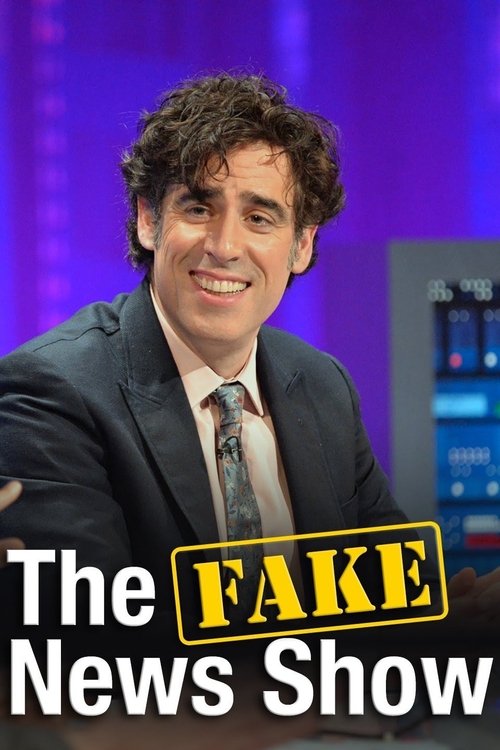
The Fake News Show begins with a satirical news segment hosted by the charismatic and often outrageous anchor, who introduces the audience to the concept of fake news and its impact on society. The show opens with a montage of various news clips, highlighting the absurdity of sensationalized headlines and the public's reaction to them. The anchor sets the tone with a humorous yet biting commentary on the current state of journalism, establishing the show's comedic yet critical perspective.
As the episode progresses, the anchor introduces a series of segments that parody real news stories. One segment features a mock interview with a politician who is caught in a web of contradictions regarding their stance on a controversial issue. The politician, visibly sweating and nervous, tries to navigate the questions but ends up digging a deeper hole for themselves. The audience is treated to a mix of laughter and disbelief as the anchor expertly highlights the absurdity of the politician's responses.
In another segment, the show presents a satirical take on social media influencers who spread misinformation. A character, a self-proclaimed expert on health and wellness, promotes a bizarre new diet that claims to cure all ailments. The anchor, with a mix of incredulity and humor, dissects the influencer's claims, showcasing the ridiculousness of the fad while also revealing the influencer's motivations for fame and fortune. The segment ends with a comedic twist, as the influencer is shown suffering from the side effects of their own diet.
The show then shifts to a more serious tone as it explores the consequences of fake news on real people. A segment features a family whose lives have been turned upside down due to a viral false story about them. The emotional weight of their situation is palpable as they recount the harassment and threats they have faced. The anchor, while maintaining a comedic edge, acknowledges the gravity of the issue, creating a stark contrast between the humor of the previous segments and the reality of the impact of misinformation.
As the episode nears its conclusion, the anchor introduces a live debate between two experts on the topic of fake news. The debate quickly escalates into chaos, with both sides shouting over each other and the anchor struggling to maintain control. The audience is treated to a spectacle of exaggerated arguments and absurd claims, highlighting the polarization of opinions on the subject. The scene is filled with tension and humor, as the anchor attempts to steer the conversation back to a more rational discourse.
In the final moments of the show, the anchor delivers a poignant monologue reflecting on the importance of critical thinking and media literacy. The tone shifts from comedic to sincere as the anchor urges viewers to question the information they consume and to seek out the truth. The episode ends with a humorous callback to earlier segments, leaving the audience with a mix of laughter and contemplation about the state of news in the modern world. The credits roll as the anchor waves goodbye, promising more outrageous content in the next episode.






What is the ending?
In the ending of The Fake News Show, the main characters confront the consequences of their actions throughout the series. The show culminates in a dramatic live broadcast where the truth about the fabricated news stories is revealed, leading to a fallout that affects each character's life and career. The protagonist, a once-ambitious journalist, faces the reality of their choices, while the supporting characters grapple with their own moral dilemmas and the impact of their involvement in the fake news cycle.
As the final episode unfolds, the scene opens in the bustling newsroom, where tension hangs thick in the air. The protagonist, Alex, stands at the center, visibly shaken but determined. The camera captures the flickering lights of the studio, the hum of equipment, and the anxious murmurs of the crew as they prepare for the live broadcast. Alex's internal conflict is palpable; they are torn between the desire for success and the weight of their conscience.
The broadcast begins, and the screen splits to show various characters watching from different locations. Sarah, Alex's colleague, sits in her apartment, her face a mixture of anxiety and regret. She reflects on the stories they fabricated, the lives they affected, and the ethical lines they crossed. Meanwhile, in a bar, Tom, another journalist, clutches a drink, wrestling with his own guilt over the sensationalism that has become their norm.
As the live segment progresses, Alex addresses the audience directly, their voice trembling but resolute. They begin to unveil the truth behind the fake news stories, revealing the manipulation and deceit that fueled their rise to fame. The camera zooms in on Alex's face, capturing the raw emotion as they confront their past decisions. The newsroom is silent, the weight of the moment hanging heavily as viewers across the nation tune in.
In a parallel scene, Sarah receives a call from a former source, who expresses disappointment and anger over how their story was twisted for ratings. This moment serves as a stark reminder of the real-world consequences of their actions. Sarah's expression shifts from guilt to determination as she realizes the need for accountability.
As the broadcast reaches its climax, the fallout begins. Viewers react with outrage, and social media erupts with hashtags condemning the show and its creators. The newsroom is thrown into chaos as the team grapples with the backlash. Alex, feeling the weight of their choices, steps away from the camera, leaving the studio behind. Their journey of redemption begins as they vow to pursue honest journalism moving forward.
In the final scenes, we see the aftermath of the broadcast. Alex is shown volunteering at a community news outlet, working to rebuild trust with the public. Sarah, now a freelance journalist, writes a heartfelt piece about the importance of integrity in media. Tom, having lost his job, reflects on his past but finds solace in mentoring young journalists about ethical reporting.
The series concludes with a poignant montage of the characters moving forward, each finding their path in a world that demands accountability. The screen fades to black, leaving viewers with a sense of hope for a more truthful future in journalism, while also acknowledging the complexities of the characters' journeys and the impact of their choices.
Is there a post-credit scene?
The Fake News Show, produced in 2017, does not feature a post-credit scene. The show is structured around its satirical take on current events and media, with each episode concluding after the main content without any additional scenes or content following the credits. The focus remains on delivering sharp commentary and humor throughout the episode, leaving no room for a post-credit sequence.
How do the supporting characters contribute to the main character's development?
Supporting characters in The Fake News Show play crucial roles in the main character's development. For instance, a skeptical intern challenges the anchor's decisions, prompting moments of self-reflection and growth. Additionally, a rival news anchor serves as a foil, highlighting the main character's struggles with integrity and ambition. These interactions create a rich tapestry of relationships that influence the anchor's journey, ultimately leading to pivotal moments of realization and change.
What role does the character of the news anchor play in the show's narrative?
The news anchor serves as the central figure of The Fake News Show, embodying the show's satirical take on media sensationalism. Throughout the series, the anchor navigates the challenges of reporting in a world filled with misinformation, often finding themselves torn between journalistic integrity and the pressure to attract viewers. Their internal conflict is highlighted in various episodes, showcasing moments of doubt and moral questioning as they grapple with the consequences of their reporting.
How does the character of the producer influence the direction of the show?
The producer is depicted as a shrewd and ambitious character who prioritizes ratings over truth. Their influence is felt throughout the series as they push the news anchor to sensationalize stories, leading to ethical dilemmas. The producer's motivations are driven by a desire for success and recognition, often leading to tension with the anchor, who seeks to maintain journalistic standards. This dynamic creates a compelling narrative tension that drives several plotlines.
What specific incidents highlight the theme of fake news in the show?
Several key incidents throughout The Fake News Show illustrate the theme of fake news. One notable episode features a fabricated story about a celebrity scandal that spirals out of control, leading to public outrage and personal consequences for the characters involved. Another incident involves the manipulation of statistics to create a misleading narrative about a political event, showcasing the lengths to which the characters will go to attract viewers. These incidents serve as critical turning points in the plot, forcing characters to confront the impact of their actions.
What is the significance of the recurring segment featuring audience reactions?
The recurring segment featuring audience reactions serves as a meta-commentary on the impact of media on public perception. This segment showcases real-time responses to the news stories presented, often revealing the absurdity and polarization of opinions. It highlights the disconnect between the news presented and the audience's interpretation, emphasizing the show's critique of sensationalism. This element not only adds humor but also deepens the narrative by illustrating the consequences of the characters' choices on the viewers.
Is this family friendly?
"The Fake News Show," produced in 2017, is a satirical take on current events and media, often employing humor that may not be suitable for all audiences, particularly children or sensitive viewers.
-
Satirical Humor: The show frequently uses sarcasm and irony, which may be confusing for younger viewers who might not grasp the nuances of satire.
-
Political Commentary: The content often includes sharp critiques of political figures and policies, which can be polarizing and may upset viewers with differing opinions.
-
Mature Themes: Discussions around controversial topics such as immigration, healthcare, and social justice may arise, potentially leading to uncomfortable conversations for younger audiences.
-
Language: There may be instances of mild profanity or suggestive language that could be inappropriate for children.
-
Visual Gags: Some sketches may include exaggerated or absurd scenarios that could be unsettling for sensitive viewers, such as depictions of violence or conflict in a comedic context.
Overall, while the show aims for humor, its approach to serious subjects and the nature of its satire may not be suitable for all family members.