





Popular
What are the main characters featured in Brexitcast and what roles do they play?
How do the hosts of Brexitcast react to breaking news related to Brexit?
What specific events do the hosts discuss in relation to the Brexit negotiations?
How do the hosts of Brexitcast convey their personal opinions on the Brexit process?
What role does audience interaction play in the episodes of Brexitcast?
Should I watch it?
Ask Your Own Question

What is the plot?
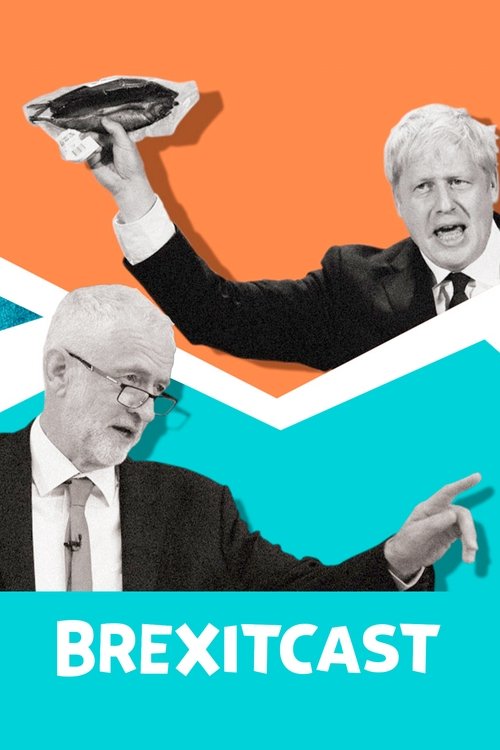
Brexitcast is not a traditional narrative-driven TV show with a plot that unfolds in a linear fashion. Instead, it is a podcast-style program that features discussions and commentary on the ongoing Brexit process, hosted by a team of journalists and political commentators. The show includes various segments where the hosts analyze current events, interview guests, and provide insights into the political landscape surrounding Brexit.
The show begins with the hosts introducing the topic of the day, often reflecting on recent developments in Parliament, government negotiations, and public opinion regarding Brexit. They share personal anecdotes and experiences related to the political climate, setting a conversational tone.
As the episodes progress, the hosts delve into specific events, such as key votes in Parliament, the reactions of political leaders, and the implications of various Brexit proposals. They often include soundbites from politicians, experts, and members of the public, which adds depth to the discussions.
Throughout the series, the hosts express their own opinions and frustrations about the political process, highlighting the emotional weight of the Brexit debate. They discuss the impact of Brexit on different sectors, including the economy, healthcare, and immigration, providing a comprehensive view of the stakes involved.
The show also features segments where the hosts answer listener questions, further engaging with the audience and addressing concerns about Brexit. They often reflect on the uncertainty and complexity of the situation, emphasizing the challenges faced by both the government and the public.
As the timeline of Brexit unfolds, the hosts keep listeners updated on significant milestones, such as the extension of Article 50, the changing leadership within the Conservative Party, and the various negotiations with the European Union. Each episode builds on the previous discussions, creating a sense of continuity and urgency as the deadline for Brexit approaches.
In the final episodes of 2019, the hosts reflect on the general election and its implications for Brexit, analyzing the results and the potential paths forward. They discuss the overwhelming support for the Conservative Party and Boris Johnson's promise to "get Brexit done," capturing the mood of the nation as the political landscape shifts once again.
The series concludes with a sense of anticipation for the future, as the hosts summarize the key events and decisions that have shaped the Brexit journey, leaving listeners with a clear understanding of the ongoing saga and its potential outcomes.


What is the ending?
Brexitcast is not a traditional narrative-driven TV show with a defined ending like a scripted drama or film. Instead, it is a podcast-style program that aired in 2019, featuring discussions among journalists and political commentators about the ongoing Brexit process. The show does not have a conventional plot or character arcs, as it focuses on real-time events and the evolving political landscape surrounding Brexit.
In a more detailed narrative format, the show consists of various episodes where hosts such as Adam Fleming, Laura Kuenssberg, and Chris Mason engage in conversations about the latest developments in Brexit negotiations, the political climate in the UK, and the implications for the future. Each episode captures the tension and uncertainty surrounding the Brexit process, with the hosts sharing insights, personal anecdotes, and reactions to breaking news.
As the episodes progress, the hosts reflect on key moments, such as parliamentary votes, public opinion shifts, and the impact of political decisions on everyday life. They often express their own emotional responses to the unfolding events, showcasing a mix of frustration, hope, and disbelief at the political turmoil.
The fate of the main characters--who are, in this case, the hosts and their guests--remains tied to the real-world outcomes of Brexit. Their discussions highlight the challenges they face in trying to make sense of a rapidly changing situation, and they often conclude episodes with a sense of uncertainty about what lies ahead.
In summary, Brexitcast does not have a traditional ending or character fates, as it is a commentary on an ongoing political issue rather than a scripted narrative. The show captures the evolving nature of Brexit and the emotional landscape of those reporting on it, leaving listeners with a sense of the complexities and challenges that remain unresolved.
Is there a post-credit scene?
Brexitcast, produced in 2019, is a podcast-style show rather than a traditional television series, and it does not feature post-credit scenes. The format consists of discussions and analyses surrounding the ongoing Brexit process, with hosts including Adam Fleming, Laura Kuenssberg, and Chris Mason. Each episode typically concludes with a summary of key points and a light-hearted tone, but there are no visual elements or scenes that would resemble a post-credit scene as found in scripted television shows. The focus remains on the political developments and personal insights of the hosts rather than narrative storytelling with scenes.
What are the main characters featured in Brexitcast and what roles do they play?
Brexitcast features a core group of characters including journalists and political commentators who provide insights and analysis on the Brexit process. Key figures include Laura Kuenssberg, the BBC's political editor, who often serves as a guide through the complexities of Brexit; Adam Fleming, who brings a youthful perspective and often engages with the audience; and Katya Adler, the BBC's Europe editor, who provides crucial insights from the EU's perspective. Each character brings their own emotional weight and motivations, reflecting their personal stakes in the unfolding political drama.
How do the hosts of Brexitcast react to breaking news related to Brexit?
The hosts of Brexitcast often display a mix of urgency and humor when reacting to breaking news. For instance, when significant developments occur, such as a new deal being proposed or a political scandal emerging, the hosts quickly pivot to discuss the implications, often with a sense of disbelief or irony. Their emotional states range from frustration to amusement, reflecting the chaotic nature of the Brexit process and their own personal investment in the outcome.
What specific events do the hosts discuss in relation to the Brexit negotiations?
Throughout Brexitcast, the hosts discuss a variety of specific events, such as the negotiations between the UK and EU, the various votes in Parliament, and the public's reaction to these developments. For example, they delve into the significance of the 'meaningful vote' in Parliament, the implications of the Prime Minister's speeches, and the reactions from both the public and political figures. Each event is analyzed for its potential impact on the Brexit timeline, showcasing the hosts' deep understanding of the political landscape.
How do the hosts of Brexitcast convey their personal opinions on the Brexit process?
The hosts of Brexitcast often convey their personal opinions through candid discussions and humorous exchanges. They share anecdotes from their experiences covering Brexit, which adds a personal touch to the analysis. For instance, they might express frustration over political decisions or share light-hearted moments that arise from the absurdities of the situation. This blend of professionalism and personal insight helps to humanize the complex political narrative.
What role does audience interaction play in the episodes of Brexitcast?
Audience interaction plays a significant role in Brexitcast, as the hosts frequently engage with listener questions and comments. This interaction adds a layer of immediacy and relevance to the discussions, as the hosts respond to real-time concerns and curiosities from the public. They often read out tweets or emails from listeners, which not only enriches the conversation but also reflects the diverse opinions and emotions surrounding Brexit, making the audience feel like a part of the dialogue.
Is this family friendly?
Brexitcast, produced in 2019, is a political podcast and not a traditional TV show, but it does feature discussions that may not be suitable for all audiences, particularly children. The content primarily revolves around the complexities of Brexit, which can include:
-
Political Tension: The discussions often reflect the intense political climate surrounding Brexit, which may include heated debates and strong opinions that could be confusing or upsetting for younger listeners.
-
Emotional Responses: The hosts express a range of emotions, from frustration to anxiety, regarding the implications of Brexit, which might be overwhelming for sensitive individuals.
-
Complex Language: The use of political jargon and references to legal and economic concepts may not be easily understood by children, potentially leading to confusion or frustration.
-
Controversial Topics: The podcast touches on divisive issues such as immigration, national identity, and economic impact, which can be sensitive subjects for some listeners.
Overall, while Brexitcast is informative and engaging for adults interested in politics, its themes and discussions may not be appropriate for a younger audience or those who are particularly sensitive to political discourse.









