











































Popular
Who is the main character investigating the murder at the White House?
What role does the character of Secret Service Agent Nina Chance play in the investigation?
What is the significance of the murder victim in the story?
How does the investigation impact the relationship between Harlan Regis and Nina Chance?
What obstacles does Detective Harlan Regis face during the investigation?
Should I watch it?
Ask Your Own Question

What is the plot?
Sorry, we aren't able to watch and write up a full detailed plot yet. Check back in a few days.

What is the ending?
In the ending of "Murder at 1600," Detective Harlan Regis confronts the true murderer, revealing the conspiracy behind the assassination. The film concludes with the resolution of the case, the clearing of the innocent, and a sense of justice served, while Harlan reflects on the complexities of truth and duty.
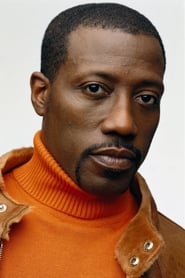
As the climax unfolds, the scene shifts to the White House, where Detective Harlan Regis, played by Wesley Snipes, has pieced together the puzzle surrounding the murder of a young woman found in the presidential residence. The tension is palpable as he confronts the real killer, a high-ranking government official involved in a conspiracy that reaches the highest levels of power. Harlan's determination to uncover the truth has led him to this moment, where he must navigate the dangerous waters of political intrigue and personal betrayal.
In a dimly lit room, Harlan faces off against the murderer, who is revealed to be the National Security Advisor, a character who had been manipulating events from the shadows. The confrontation is charged with emotion, as Harlan grapples with the weight of his discoveries. The advisor, desperate to maintain control, attempts to justify his actions, but Harlan stands firm, driven by a sense of justice and the memory of the victim.
As the scene escalates, Harlan's partner, Detective Nina Chance, portrayed by Diane Lane, arrives just in time to back him up. Together, they manage to subdue the advisor, showcasing their teamwork and commitment to justice. The tension breaks as law enforcement arrives, and the advisor is taken into custody, his plans unraveled.
In the aftermath, Harlan and Nina share a moment of relief and camaraderie. They reflect on the case, acknowledging the personal toll it has taken on them. Harlan, who has been deeply affected by the loss of life and the moral complexities of his job, finds solace in the fact that they have brought the truth to light. Nina, who has developed a bond with Harlan throughout the investigation, expresses her admiration for his dedication and integrity.
The film concludes with Harlan walking away from the White House, a symbol of the burdens he carries as a detective. He looks back at the iconic building, contemplating the nature of power and the sacrifices made in the pursuit of justice. The final shot captures his resolve, hinting at the ongoing struggle between truth and deception in the world of politics.
As the credits roll, viewers are left with a sense of closure regarding the case, but also an understanding of the complexities of the characters involved. Harlan emerges as a hero, having navigated a treacherous landscape of lies and corruption, while Nina stands by his side, a testament to the strength of partnership in the face of adversity. The fate of the characters is sealed with the knowledge that while justice has been served, the fight against corruption and moral ambiguity continues.
Is there a post-credit scene?
Murder at 1600, produced in 1997, does not have a post-credit scene. The film concludes with the resolution of the central murder mystery involving the assassination of a young woman found in the White House. After the climax, where Detective Harlan Regis, played by Wesley Snipes, uncovers the truth behind the murder and the conspiracy that surrounds it, the film wraps up with a sense of closure. The final scenes show the aftermath of the investigation, including the implications for the characters involved, but there are no additional scenes or credits that follow the main storyline. The film ends without any further revelations or additional content after the credits roll.
Who is the main character investigating the murder at the White House?
The main character investigating the murder at the White House is Detective Harlan Regis, played by Wesley Snipes. He is a skilled and determined detective who is called in to solve the case.
What role does the character of Secret Service Agent Nina Chance play in the investigation?
Secret Service Agent Nina Chance, portrayed by Diane Lane, plays a crucial role in the investigation as she assists Detective Harlan Regis. She is dedicated to protecting the President and becomes an ally to Regis, navigating the complexities of the case while dealing with her own internal conflicts.
What is the significance of the murder victim in the story?
The murder victim, a young woman named Elizabeth, is significant to the story as her death occurs within the White House, leading to a high-stakes investigation that uncovers political intrigue and corruption. Her connection to the President and the implications of her murder drive the plot forward.
How does the investigation impact the relationship between Harlan Regis and Nina Chance?
The investigation creates a complex relationship between Harlan Regis and Nina Chance, as they navigate trust issues and differing loyalties. Their partnership evolves from professional to personal, with moments of tension and vulnerability that reveal their deeper motivations and emotional struggles.
What obstacles does Detective Harlan Regis face during the investigation?
Detective Harlan Regis faces numerous obstacles during the investigation, including political pressure from the White House, attempts to obstruct his inquiry, and the challenge of working within a system that is not fully supportive of his efforts. These challenges test his resolve and commitment to uncovering the truth.
Is this family friendly?
"Murder at 1600," produced in 1997, is a political thriller that contains several elements that may not be suitable for children or sensitive viewers. Here are some potentially objectionable or upsetting aspects:
-
Violence: The film includes scenes of murder and violence, which may be graphic and unsettling. There are moments where characters are shown in distressing situations, including crime scenes.
-
Murder Investigation: The central plot revolves around a murder investigation, which involves themes of death and the emotional turmoil associated with it. This may be distressing for younger viewers.
-
Adult Themes: The film touches on themes of political corruption, betrayal, and moral ambiguity, which may be complex and difficult for children to understand.
-
Language: There are instances of strong language that may not be appropriate for younger audiences.
-
Sexual Content: There are suggestive situations and references that may not be suitable for children.
-
Tension and Suspense: The film has a tense atmosphere with moments of suspense that could be frightening for younger viewers.
Overall, due to its mature themes, violence, and adult content, "Murder at 1600" is not considered family-friendly.







